Is Slovenia Expensive?
Slovenia is not the cheapest country in Central Europe, and prices at Lake Bled or on the coast in summer can be high. But the country is small, public transport is reasonably priced, and many of its best sights are outdoors and free. With some planning, it works well for backpackers.
The main costs are accommodation and organised activities. Transport and food can be kept low if you use buses and trains, shop at supermarkets and markets, and eat where locals eat.
Getting Around by Bus and Train
Buses and trains are run by different companies, mainly Slovenian Railways (Slovenske železnice) for trains and several operators, including Arriva and Nomago, for buses. They are linked through the national integrated public transport system, known as IJPP. In Ljubljana, the main bus station is next to the railway station, which makes changes easy.
Useful points for budget travellers:
- Single fares: Since August 2025, the highest single fare for a journey across the country is €16.50.
- Daily tickets: A daily ticket for unlimited travel throughout Slovenia costs €18 and is valid on buses and regional trains. Higher-category trains such as InterCity services require a supplement.
- Weekend discounts: Discounted daily tickets are available on Saturdays, Sundays and public holidays for longer routes.
Check current conditions on the Slovenian Railways or Arriva websites before travel, as fare rules are updated periodically. Buses are usually the better option for the Alps and the coast, while trains are handy between Ljubljana, Maribor, Celje and Jesenice.
Where to Sleep
- Hostels: Ljubljana has the widest choice. Hostel Celica, in a converted former military prison in the Metelkova area, is a well-known option where rooms are designed by different artists.
- Mountain huts: In the Julian Alps and other ranges, the Alpine Association of Slovenia runs a network of mountain huts with dormitory beds. They are a cheap way to spend nights in the mountains. Most open only in summer, and huts on popular routes should be booked ahead.
- Campsites: There are campsites near Bled, Bohinj, the Soča Valley and the coast.
- Wild camping: Camping outside designated sites is not permitted in Slovenia, and the rules are enforced in Triglav National Park.
Free and Cheap Things to Do
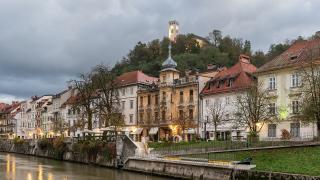
In Ljubljana: The old town, the riverside along the Ljubljanica, the Triple Bridge, Prešeren Square and Tivoli Park are all free. You can walk up to Ljubljana Castle instead of taking the funicular; exhibitions inside are paid. The Central Market is worth a visit for its atmosphere and cheap fresh produce. Ljubljana's BicikeLJ bike-share scheme is a cheap way to get around once you register.
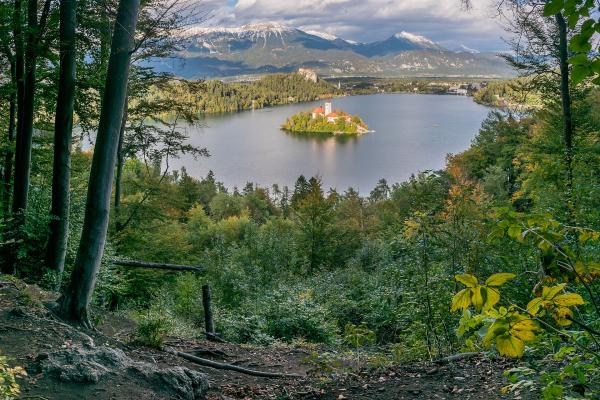
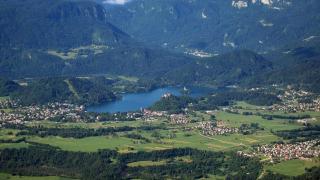
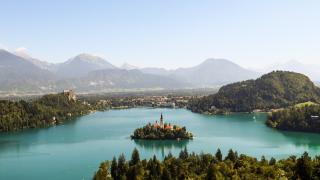
At Lake Bled: Walking the path around the lake, about six kilometres, costs nothing. The viewpoints of Ojstrica and Mala Osojnica above the western shore are short, steep hikes with a classic view of the island and church.
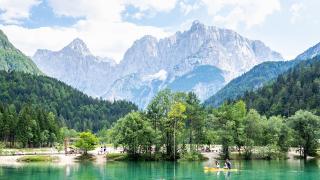
At Lake Bohinj: Bohinj is quieter than Bled, and walking along the shore, swimming in the lake in summer and hiking in the surrounding hills are all free.
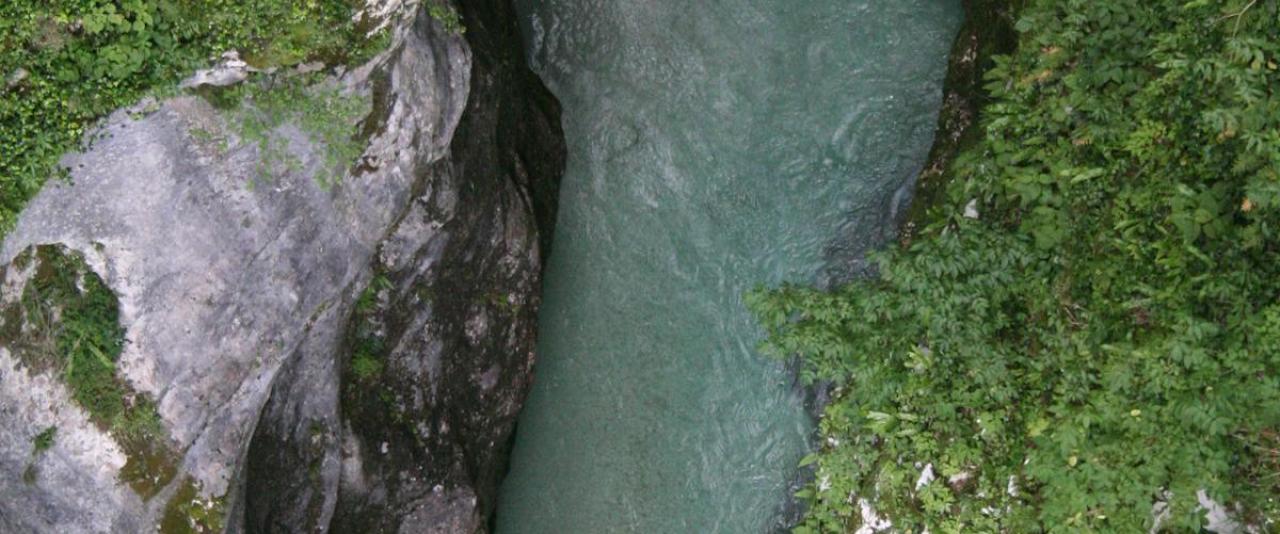
In the Soča Valley: The Soča Trail follows the river through the Trenta valley, with views of its emerald pools. Swimming in the river is free, although the water is cold.
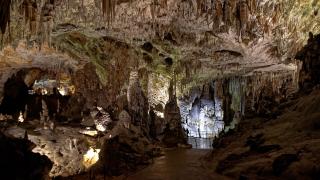
Hiking anywhere: Slovenia has a dense network of marked trails, and walking them is free. Paid attractions such as gorges and caves add up quickly, so choose one or two that matter most to you.
Eating Cheaply
- Tap water is safe to drink throughout Slovenia. Carry a bottle and refill it.
- Supermarkets and bakeries are the cheapest source of food. Burek, a filled pastry sold at bakeries and kiosks, is a filling, inexpensive snack.
- Markets: The Central Market in Ljubljana and markets in other towns sell fruit, cheese and bread.
- Daily lunch menus: Many restaurants serve a fixed lunch menu (dnevno kosilo) on weekdays, usually soup, a main course and sometimes salad, at a lower price than ordering from the regular menu.
- Mountain huts: Simple dishes such as jota (a bean and sauerkraut stew) and ričet (barley stew) are filling and usually reasonably priced.
Budget Tips
- Travel outside July and August: Prices and crowds at Bled, Bohinj and the coast drop noticeably in May, June and September.
- Base yourself centrally: Ljubljana is close to almost everything in the country, and day trips by bus are easy.
- Look for local visitor cards: Some areas, including Bohinj, offer guest cards with free or discounted local transport and attractions for visitors who stay overnight.
- Plan routes around transport: Remote valleys may have only a few buses a day, especially outside summer. Check timetables before you set out to avoid paying for a taxi.