- Where
- Prekmurje, Prekmurje
- Directions
- Directions
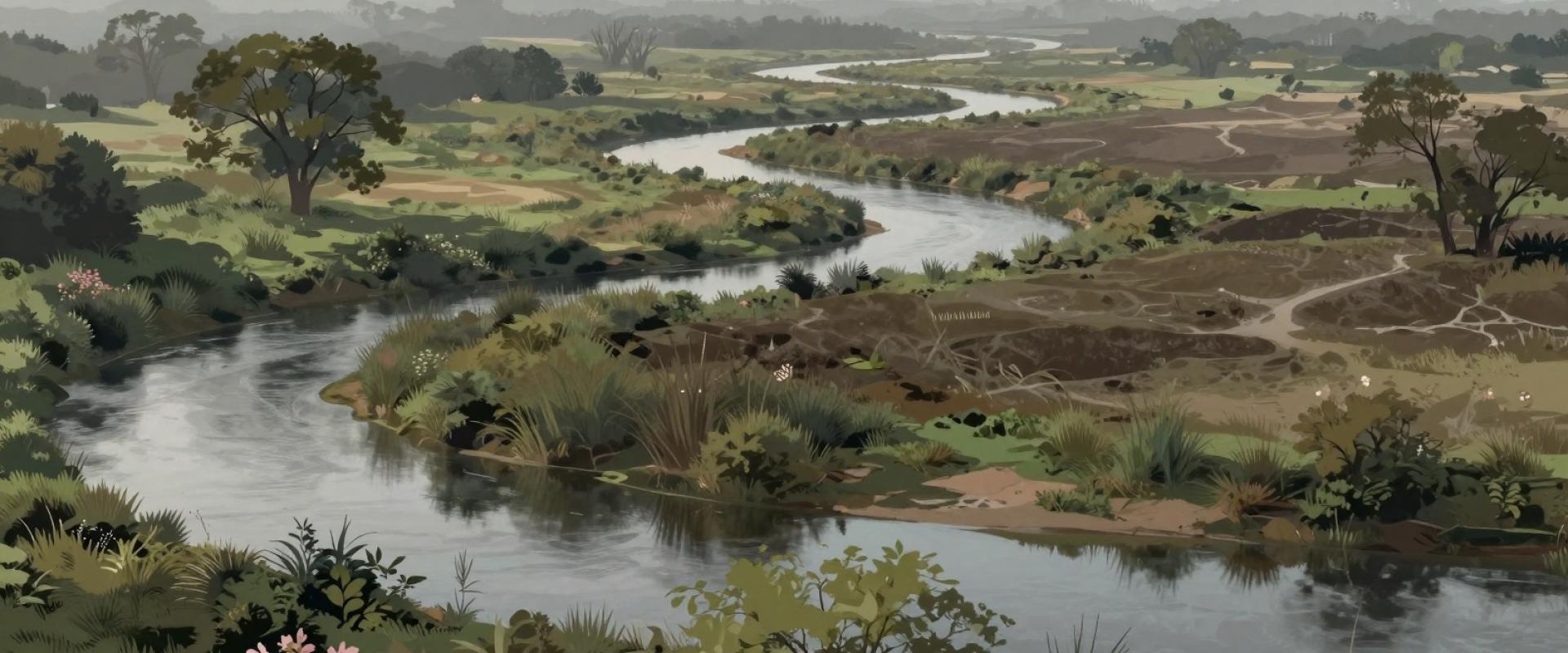
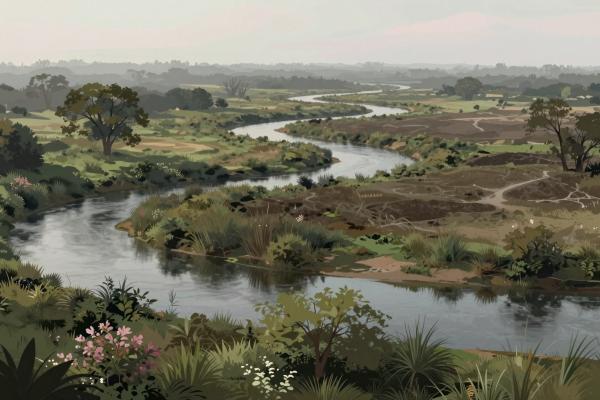
The name Prekmurje means the land beyond the Mura, and the river that gives the region its name is the key to understanding it. The Mura rises in the Austrian Alps, flows through Styria, forms the border between Austria and Slovenia for a stretch, and then enters the flat plain of northeastern Slovenia, where it slows and spreads into a lazy, winding course. It continues along the border with Croatia and Hungary before joining the Drava. In this lowland, the river has been free to wander over the centuries, cutting new bends, leaving behind abandoned loops called oxbows and building banks of gravel and sand, and the whole floodplain is a mosaic of wet meadows, willow and alder woods and small channels. It is among the most natural river landscapes in this part of Europe, and the Mura and Drava rivers together are recognised as a transboundary biosphere reserve.
Smaller rivers add to the pattern. The Ledava runs through the east of the region, towards Lendava, and several streams run down from the Goričko hills to join the Mura, so that the plain is crossed by a net of watercourses, ponds and drainage channels. Together they shaped how people lived. Villages grew up on slightly raised ground above the flood line, houses were built of timber and brick rather than stone, and the people of the plain became skilled at fishing, at weaving baskets from willow and at using the river's power. The floating mills on the Mura, in which a wooden mill house floated on boats moored in the current, are a rare survival of this ingenuity, and the Island of Love near Ižakovci is a quiet spot on the river where couples and walkers go. These and the other riverside sites are described in their own entries.
For visitors, the rivers invite a slow style of travel. Canoeing on the calmer stretches, cycling along embankments and riverside tracks, and walking through floodplain woods are the main activities, and birdwatchers will find herons, kingfishers and, in the villages, white storks nesting on rooftops. The region's flat terrain is ideal for gentle cycling, and many routes follow the river. Water levels change with the seasons and floods can occur after heavy rain, so check conditions before paddling, and wear a life jacket.
The rivers are linked with the cultural landscape of the region, with Bograč stew, Prekmurska Gibanica, Vanilla Ice Cream With Pumpkin Seed Oil, Vast Corn Fields, Ponds, Storks, Local Festivals And Markets Celebrating Pannonian Culture, the Marof Winery, Plečnik's church in Bogojina, Spa Resorts in Prekmurje and Thermal Springs in Prekmurje.
It suits cyclists, birdwatchers and slow travellers. The Island of Love lies near Ižakovci on the Mura rather than near Moravske Toplice, though the spa of Moravske Toplice and its Thermal Springs are within an easy drive. Slovenia’s flattest corner is full of water.
Categories
More photos coming soon
Nearby Attractions
Other places to visit in Prekmurje
Thermal Springs in Prekmurje
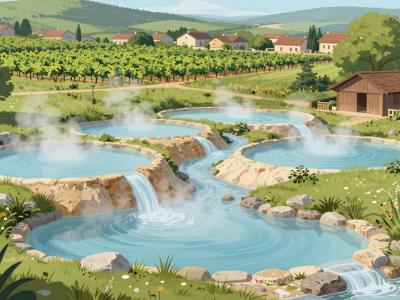
Thermal springs rich in minerals in Prekmurje
Activities & Adventure · Natural Wonders
Plečnik's church in Bogojina
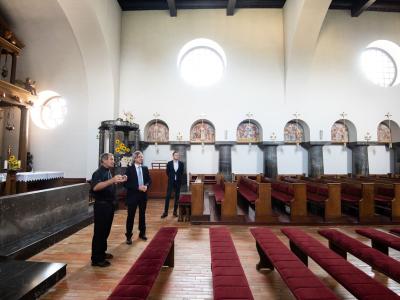
Plečnik’s cylindrical bell tower with classical columns
Churches · Historic Towns
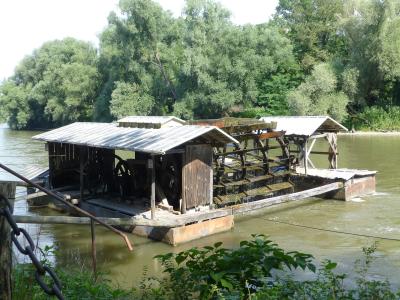
Floating mills on Mura river
Last preserved floating mill on Mura River
Historic Houses · Lakes & Rivers
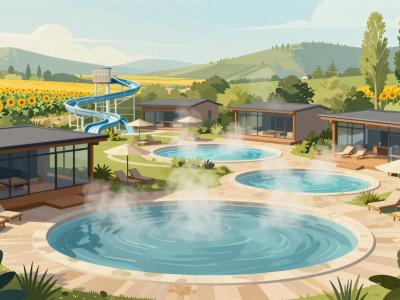
Spa Resorts in Prekmurje
Thermal springs and wellness retreats in Prekmurje
Activities & Adventure · Natural Wonders
Questions people ask
Quick Facts
Best Time to Visit
May to October offers warm weather, vibrant countryside, and ideal conditions for spa visits, cycling, and exploring Prekmurje’s unique culture.
Book your stay