- Where
- Prekmurje, Prekmurje
- Directions
- Directions
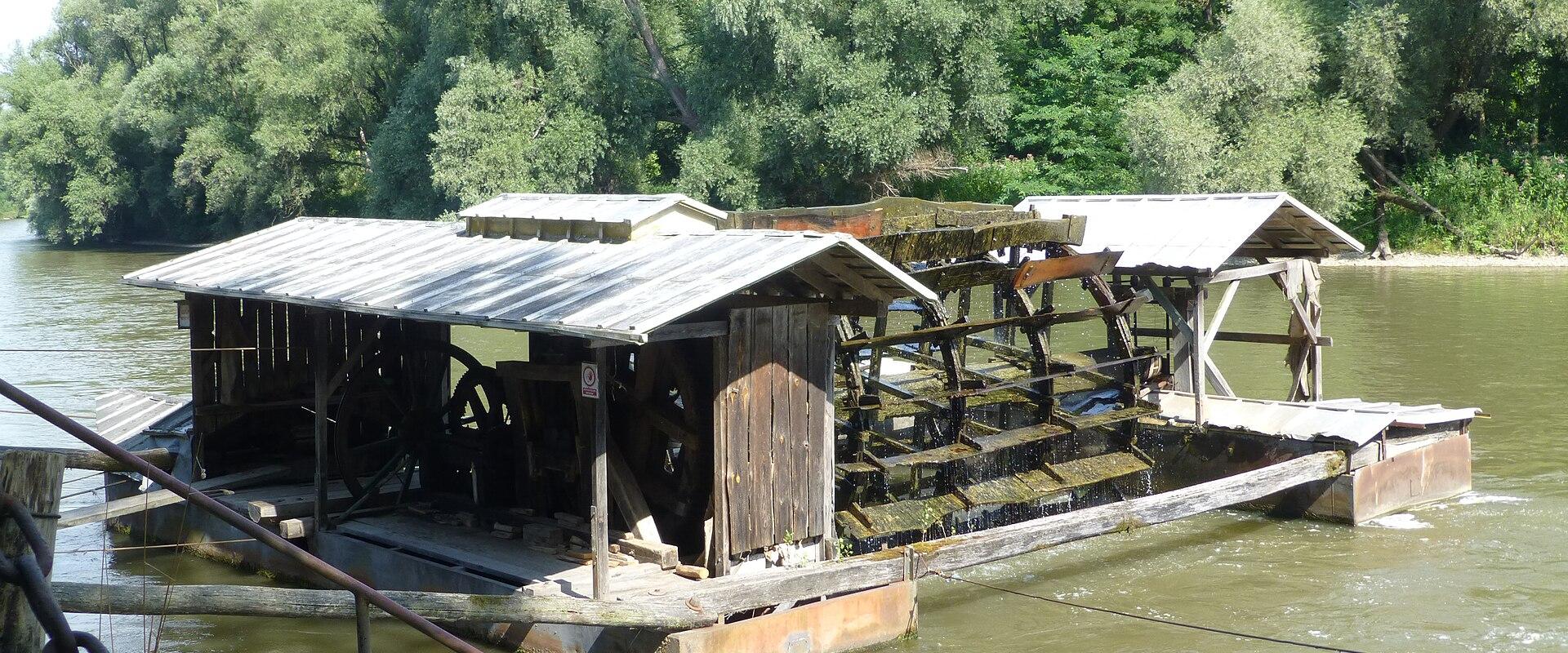
For centuries the Mura River in northeastern Slovenia was lined with floating mills, wooden grain mills built on boats and moored in the current so that the river itself turned the wheel. They suited a river like the Mura, which carries a strong current but changes its level and shifts its course across the flat Pannonian plain, making a fixed mill with a dam impractical. A floating mill simply rose and fell with the water. At their height there were many dozens of them along the river, and flour from the Mura mills fed villages on both banks.
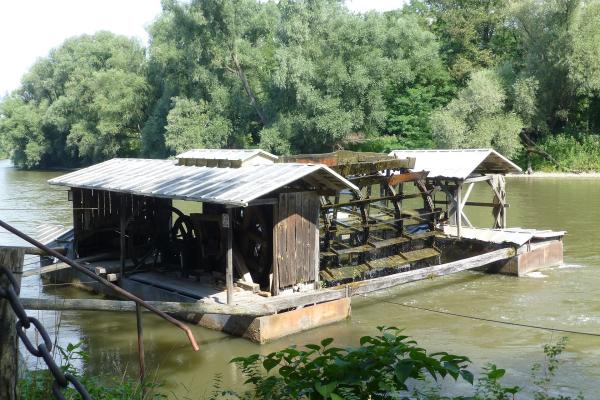
The design is clever and simple. A large wooden wheel is mounted between two long hulls, which are held in the stream by ropes and a gangway to the shore. The current pushes the paddles, the wheel turns, and through a system of wooden gears the motion drives the millstones housed in a small timber hut on the boat. The miller adjusted the mooring and the position of the boat to catch the best current. The hulls were maintained by regular tarring and repair, and craftsmen who built them were highly skilled, passing their knowledge from one generation to the next.
The Babič mill near Veržej is the last preserved floating mill in Slovenia and the one visitors can see today. It dates from the 1920s and belongs to a family of millers who worked on the Mura for generations. It is recognised as a technical and cultural monument, and the surviving structure shows the full mechanism in working order. Visitors can look inside, see the wheel and the millstones, and hear how the miller worked. Demonstrations and guided visits explain the milling process and the role of the mill in local life, including the preparation of flour for traditional dishes of Prekmurje.
The decline of the floating mills came in the twentieth century, as engine-driven mills, river regulation, and changes in the river's flow made them uneconomic. Most were broken up or lost to floods, and the one at Veržej survived because the family kept it going. Today it is a symbol of a vanished way of life and a reminder of how closely people lived with the river.
The setting adds to the visit: the riverbank has willows and open meadows, the water moves slowly, and the mill sits low against the horizon. The mill suits families, photographers, and anyone interested in technical heritage or traditional crafts. It fits well into a day exploring Prekmurje, along with the other sights of the region, such as Plečnik's church in Bogojina, the spas and local food including Prekmurska gibanica and bograč. Check ahead for opening times and tour arrangements, since the mill is a family-run monument rather than a large attraction.
Categories
More photos coming soon
Nearby Attractions
Other places to visit in Prekmurje
Thermal Springs in Prekmurje
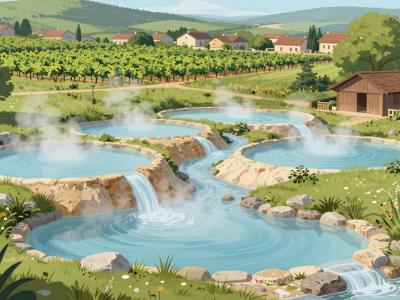
Thermal springs rich in minerals in Prekmurje
Activities & Adventure · Natural Wonders
Plečnik's church in Bogojina
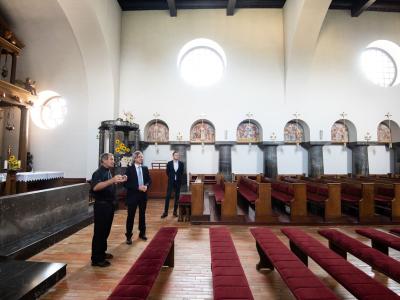
Plečnik’s cylindrical bell tower with classical columns
Churches · Historic Towns
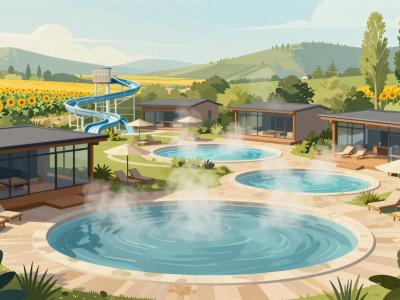
Spa Resorts in Prekmurje
Thermal springs and wellness retreats in Prekmurje
Activities & Adventure · Natural Wonders
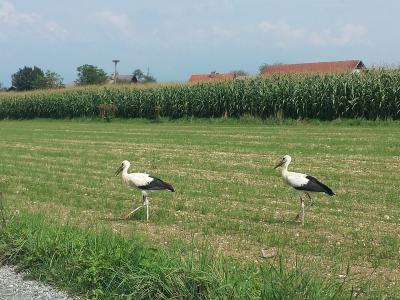
Storks
Summer storks nesting atop Prekmurje rooftops
Cultural Experiences · Natural Wonders
Questions people ask
Quick Facts
Best Time to Visit
May to October offers warm weather, vibrant countryside, and ideal conditions for spa visits, cycling, and exploring Prekmurje’s unique culture.
Book your stay