- Where
- Prekmurje, Prekmurje
- Directions
- Directions
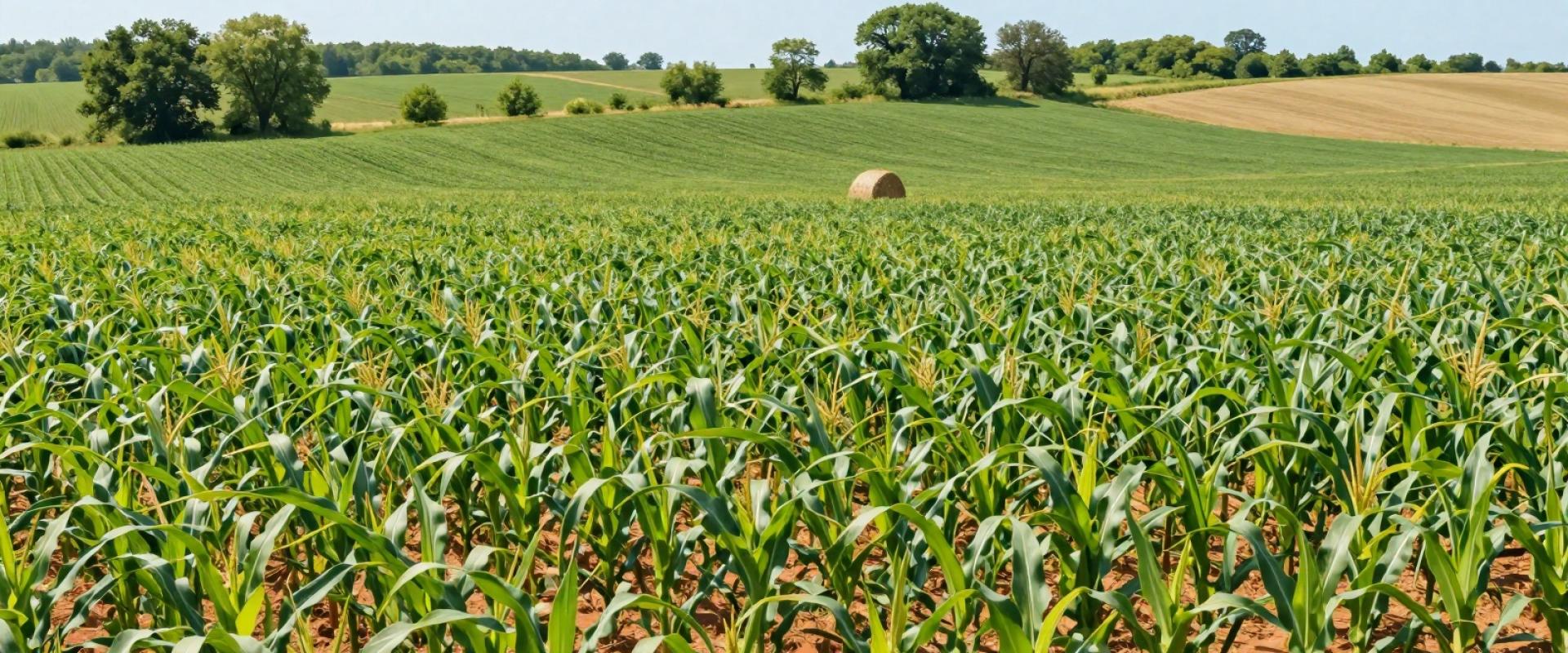
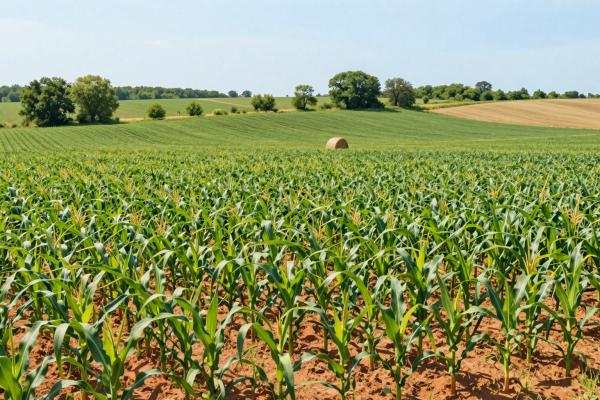
Prekmurje, the flat northeastern corner of Slovenia beside the Hungarian and Austrian borders, is the part of the country where the landscape opens out into the Pannonian plain, and one of its most characteristic sights is the maize field. In summer the tall green stalks stretch in rows to the horizon, broken only by villages, church towers and lines of trees, and in early autumn they turn gold and dry before the harvest. Cycling or driving through the plain, with the Alps far away and the sky wide, gives a very different impression of Slovenia from the mountains and the coast.
Maize reached central Europe from the Americas in the sixteenth and seventeenth centuries, and it spread across the plains of the Danube basin, where it suited the warm summers and fertile soils. In Prekmurje it became the staple of the farm kitchen and the main feed for livestock, and it shaped daily life. Cornmeal was the basis of a number of everyday dishes, among them žganci, a simple dish made by stirring cornmeal into boiling water and then dressing it with fat or cracklings, which is common across Slovenia but especially associated with rural kitchens. The dried stalks and husks were used for fodder, bedding and handicrafts, and nothing was wasted.
Harvest time was also a social occasion. In many villages, families and neighbours gathered in the evening to husk the cobs, a task called ličkanje in Slovene, and the work was lightened with songs, stories, jokes and a share of wine and food, with a tradition that anyone who found a red cob could claim a small forfeit or reward. The practice has faded with the arrival of combine harvesters, but it survives in some places as a festival or a demonstration, and it is a reminder of how the crop supported communities.
The fields are part of a wider rural landscape that also includes sunflower and pumpkin fields, orchards, drainage canals, small woods and ponds, and storks nesting on rooftops in summer. The flat terrain makes cycling easy, and routes link villages, farms and the winding river Mura. Tourist farms offer meals based on regional ingredients, and the region's other attractions, including the spas, the floating mill, the church at Bogojina and the cuisine of bograč and gibanica, fit naturally into a trip.
The landscape suits cyclists, photographers and anyone interested in rural life. Late summer, when the stalks are at their tallest, and early autumn, when the harvest is under way, are the most characteristic times. Keep to farm tracks and avoid walking into the fields, which are private working land.
Categories
More photos coming soon
Nearby Attractions
Other places to visit in Prekmurje
Thermal Springs in Prekmurje
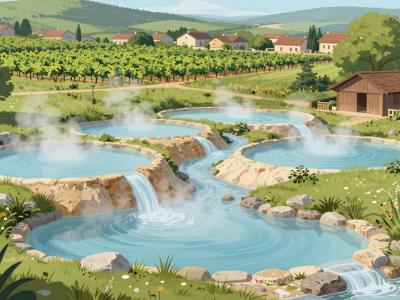
Thermal springs rich in minerals in Prekmurje
Activities & Adventure · Natural Wonders
Plečnik's church in Bogojina
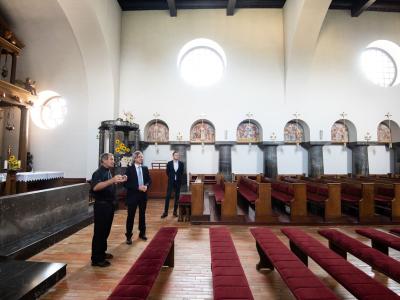
Plečnik’s cylindrical bell tower with classical columns
Churches · Historic Towns
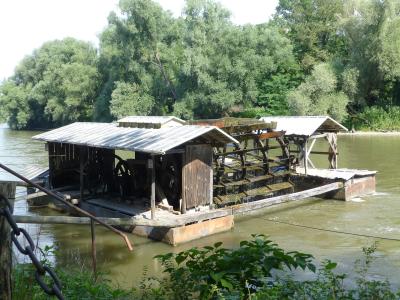
Floating mills on Mura river
Last preserved floating mill on Mura River
Historic Houses · Lakes & Rivers
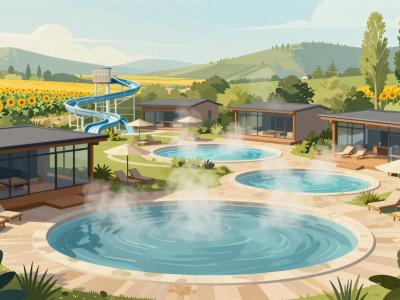
Spa Resorts in Prekmurje
Thermal springs and wellness retreats in Prekmurje
Activities & Adventure · Natural Wonders
Questions people ask
Quick Facts
Best Time to Visit
May to October offers warm weather, vibrant countryside, and ideal conditions for spa visits, cycling, and exploring Prekmurje’s unique culture.
Book your stay