- Where
- Velenje, Štajerska
- Directions
- Directions
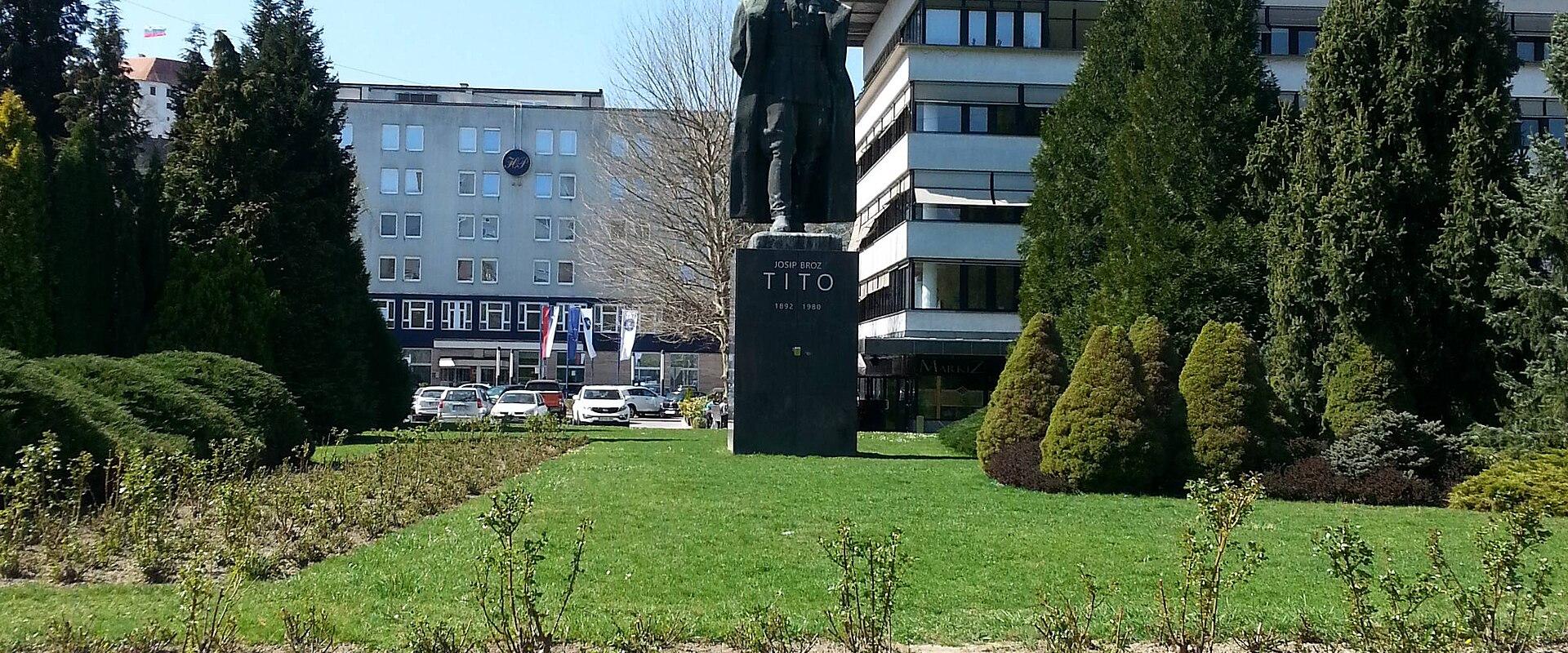
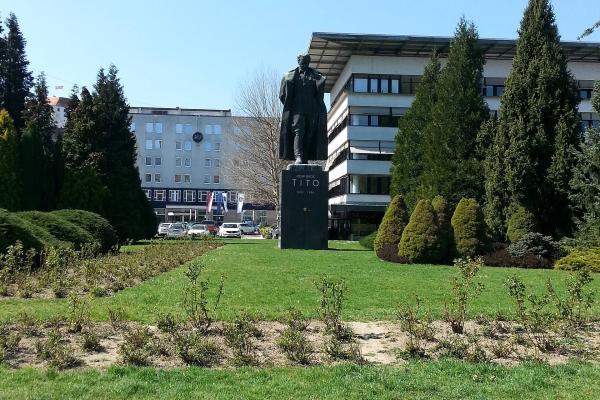
Velenje is a town unlike any other in Slovenia, because it is largely a creation of the twentieth century. Until the 1950s it was a small settlement beside a coal basin, but the lignite beneath it was rich and plentiful, and the new Yugoslavia needed energy. A planned town was laid out to house the miners and power workers, with wide streets, apartment blocks, a large central square and modern public buildings, and it grew into one of the most thoroughgoing examples of socialist modernist town planning in the country. Between 1981 and 1990 the town even carried the name Titovo Velenje, after Josip Broz Tito, the leader of Yugoslavia. The statue of Tito in the central square, Titov trg, is the best known monument to that era.
The square itself is a large, open, paved space surrounded by buildings in the plain, functional style of the period, with the town hall, shops and cultural facilities arranged around it. It was designed to be a civic stage, a place for gatherings, parades and everyday life, and it still serves that purpose. The Tito statue stands in the middle, a bronze figure of the leader on a plinth, and it has survived the political changes since the end of Yugoslavia, when many such monuments were removed or renamed. Its survival is an interesting reflection of how Slovenes view the period: attitudes to Tito and the socialist years are mixed, and the monument can be read as a piece of history rather than as an endorsement.
The statue can be visited at any time, and there is no charge. It is a good spot for photography and for people-watching, and the square is lively, with cafes and events through the year. For a quiet look, go early in the morning or late in the afternoon on a weekday, because weekends and sunny afternoons draw more people. The architecture around the square is worth a slow walk, since it is a distinctive example of mid-century planning that is increasingly appreciated.
Velenje has other things to see that explain the town. The Coal Mining Museum of Slovenia takes visitors underground into a reconstructed mine and tells the story of the industry that created the city, the Velenje Museum, housed in the old castle, covers local history, Sončni Park is a green space within the town, and the Children's Festival (Velenje) is an annual event that fills the streets with performances.
It suits history lovers, architecture fans and curious travellers. Set at the centre of Tito Square, the Tito Statue is one of Velenje’s landmarks, and Tito’s Square, as it was once called, is the place to understand the town. Whether you admire or question the era, Slovenia’s history is visible here, and Velenje’s planners left a remarkable legacy, a Yugoslav new town built from nothing.
Categories
More photos coming soon
Nearby Attractions
Other places to visit in Velenje
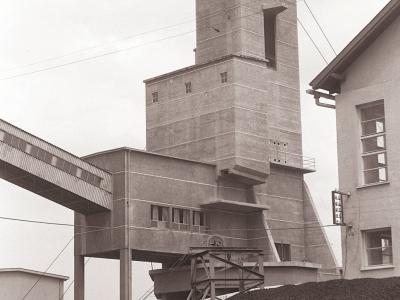
Coal Mining Museum of Slovenia
Underground coal mining history in Velenje
Guided Tours · Museums
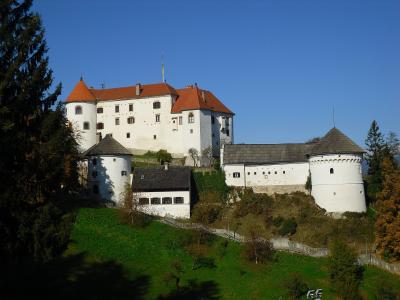
Velenje Museum (Muzej Velenje)
Renaissance castle housing mining and art exhibits
Castles · Historic Houses
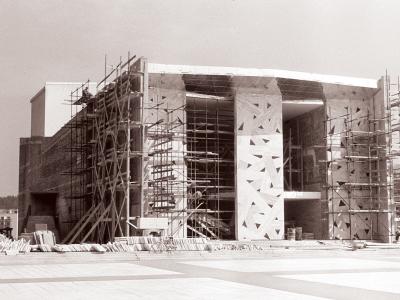
Children’s Festival (Velenje)
Slovenia's largest children's festival in Velenje
Festivals
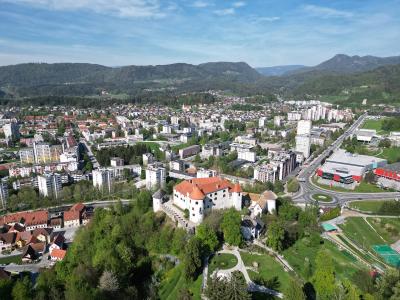
Soncni Park
Velenje park with maze, fountain, and seasonal ice rink
Natural Wonders
Questions people ask
Quick Facts
Best Time to Visit
May to September offers warm weather for lakeside activities, festivals, and outdoor exploration; spring and autumn are mild and less crowded.
Book your stay