- Where
- Prekmurje, Prekmurje
- Directions
- Directions
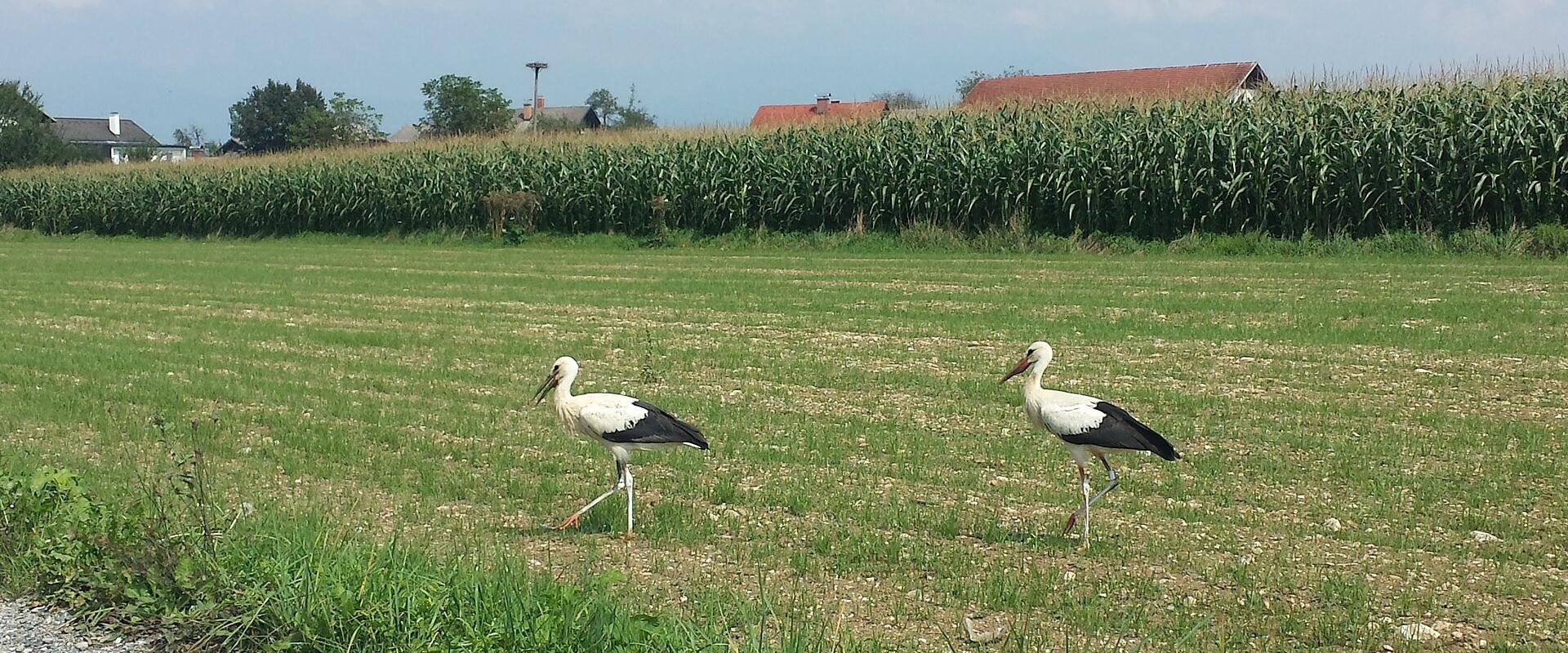
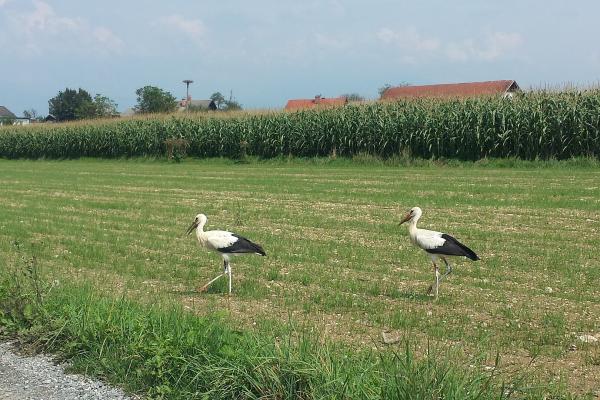
White storks are among the most loved birds in Prekmurje, the flat northeastern corner of Slovenia, where they nest on rooftops, chimneys, poles and church towers in the villages of the Mura plain. The region has one of the highest concentrations of storks in the country. The wide river valley, with wet meadows, ponds, backwaters and farmland, provides the food that the birds need: frogs, large insects, earthworms, small fish and small mammals. Add the tradition of leaving the nests undisturbed, and the villages have become reliable stork habitats for generations.
The annual cycle is easy to follow. Storks return from Africa in March and April, often to the same nests as the previous year, and spend the first weeks repairing and extending the huge platforms of sticks, which can grow heavy over the years. After mating, the female lays a few eggs, and both parents take turns to incubate. The chicks hatch in late spring and are fed constantly, and by June and July they stand in the nest and practise flapping their wings. In late summer, families gather in flocks before the long flight south, usually leaving in August. A visit in May, June or July gives the best chance of seeing adults feeding young.
Storks have a place in local culture too. Many farming communities regard a nest on the roof as a sign of good fortune, and the stork is associated in folk tradition with spring, new life and the delivery of babies. Villages sometimes install special platforms on poles or chimneys to encourage nesting, and some take pride in their numbers. A drive or bicycle ride through the country lanes of Prekmurje can turn into an informal stork count, with nests visible in nearly every village.
The best way to watch is quietly and from a distance. Binoculars give a good view without disturbing the birds, and nests should never be approached, climbed or touched, since disturbance can cause failure of the brood. Birdwatchers can also see herons, egrets, lapwings and other wetland birds in the same landscape, and the ponds and rivers of Prekmurje attract many species during migration.
Stork-watching combines easily with other things to do in the region, such as a visit to the floating mill on the Mura, pumpkin-seed oil tastings, a meal of bograč or gibanica, or a soak in one of the spas. It suits families, cyclists, birdwatchers and photographers. Spring and summer are the best seasons, and early morning and evening are the most active times.
Categories
More photos coming soon
Nearby Attractions
Other places to visit in Prekmurje
Thermal Springs in Prekmurje
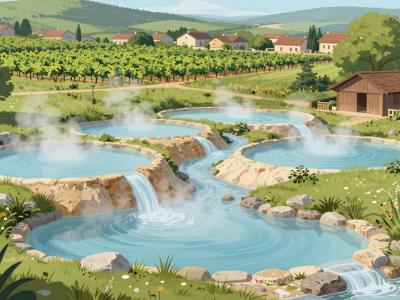
Thermal springs rich in minerals in Prekmurje
Activities & Adventure · Natural Wonders
Plečnik's church in Bogojina
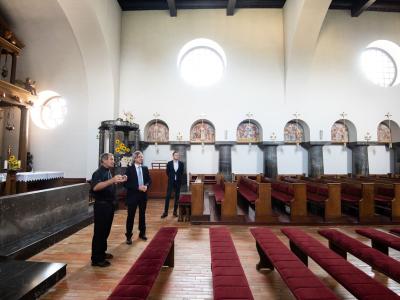
Plečnik’s cylindrical bell tower with classical columns
Churches · Historic Towns
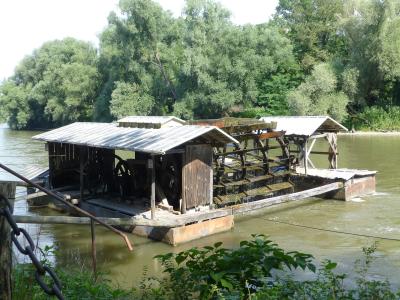
Floating mills on Mura river
Last preserved floating mill on Mura River
Historic Houses · Lakes & Rivers
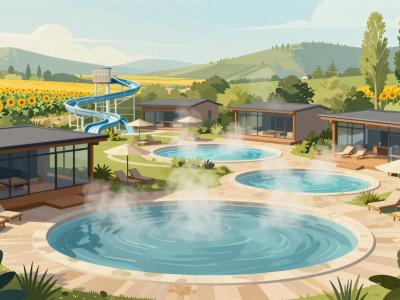
Spa Resorts in Prekmurje
Thermal springs and wellness retreats in Prekmurje
Activities & Adventure · Natural Wonders
Questions people ask
Quick Facts
Best Time to Visit
May to October offers warm weather, vibrant countryside, and ideal conditions for spa visits, cycling, and exploring Prekmurje’s unique culture.
Book your stay