
- Where
- Strunjan, Piran & Istrian Coast
- Directions
- Directions
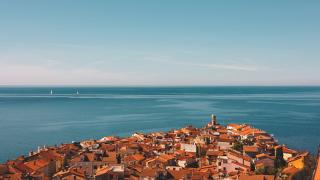
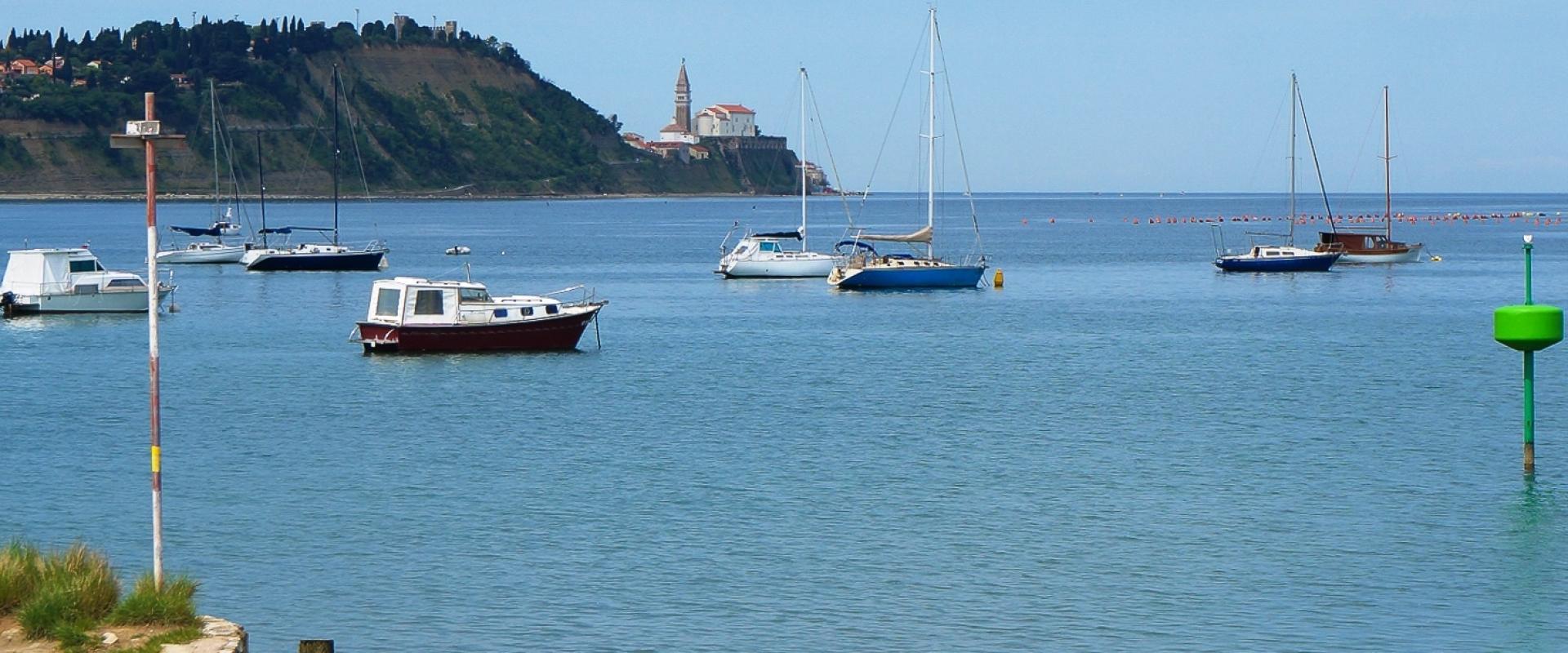
Nature Park Strunjan occupies a short stretch of Slovenia’s Adriatic coast between Piran and Izola, and it packs several distinct habitats into a small area. A high cliff of layered flysch rock falls straight into the sea, saltpans and a brackish lagoon lie at the foot of the slope, and terraced hillsides above are planted with olives, vines and Mediterranean scrub. Slovenia has only about forty-six kilometres of coastline, and Strunjan is one of its quietest stretches. The park is small by any standard, yet it shelters rare plants, wintering and migrating birds, and one of the best-preserved coastal landscapes in the northern Adriatic.
Two features give the park its identity. The first is the Strunjan cliff, the tallest flysch cliff on the Adriatic coast at about eighty metres, whose alternating layers of sandstone and marl are slowly eroded by waves and rain. Walkers on the shore below, around Mesečev Zaliv, also known as Moon Bay, can see the layers up close and the pebbly beach tucked beneath the wall. The second is the saltpans and the Stjuža lagoon. Salt has been made on this coast for centuries, and at Strunjan the traditional method of evaporating seawater in shallow basins is still carried on. Stjuža, a sheltered lagoon beside the sea, is a quiet spot for watching herons, egrets and other waterbirds.
A network of marked paths lets visitors choose between a short stroll and a longer walk along the ridge above the cliff, with open views over the Gulf of Trieste. An educational trail along the coast explains the geology, the vegetation and the salt-making. Visitors can join guided tours are organised by the park's management, and there is a small visitor point near the saltpans. Ask locally about tour times and languages, since the schedule changes with the season.
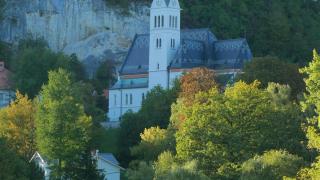
The village of Strunjan, with its small stone church, sits on the ridge, and the other sights in the area are close at hand: the beaches, the Talaso Strunjan spa complex, and the salt-making settlement itself. Strunjan Nature Park, listed separately under a slightly different name, is the same protected area, so a single visit covers both.
The park suits walkers, birdwatchers, cyclists and families who want a gentle day outdoors rather than a resort beach. It is at its best in spring and autumn, when the light is soft and the paths are quiet, though the cliff and the sea are worth a visit in any season. Swimming from the stony shore is possible in summer, but the cliff itself is unstable, so keeping to the signed paths and away from its base matters more here than on most coastal walks.
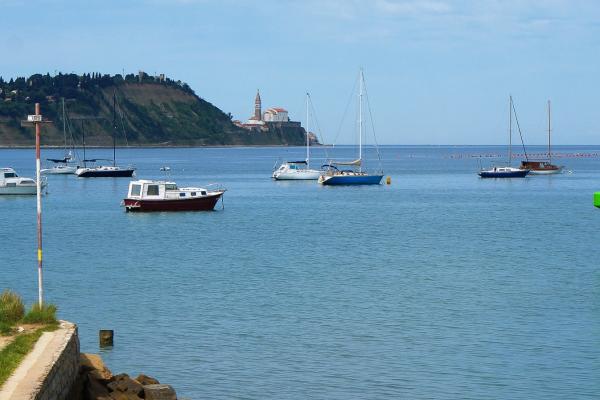
More photos coming soon
Nearby Attractions
Other places to visit in Strunjan
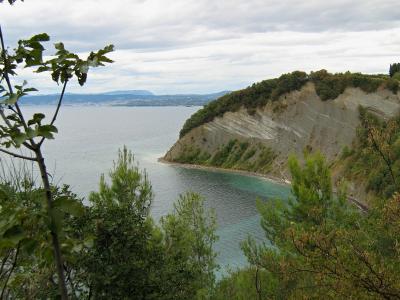
Strunjan Nature Park
Coastal cliffs, lagoon, and historic saltpans
Coastal & Maritime · Natural Wonders
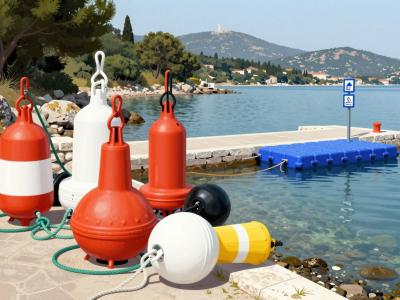
Strunjan beaches
Coastal nature reserve with therapeutic mud baths
Beaches · Hiking Trails
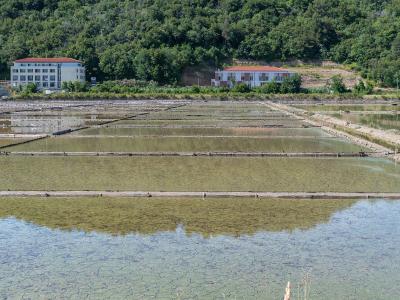
Strunjan's salt-making village
Historic salt pans crafting fleur de sel since 804
Culinary Tours · Historic Towns
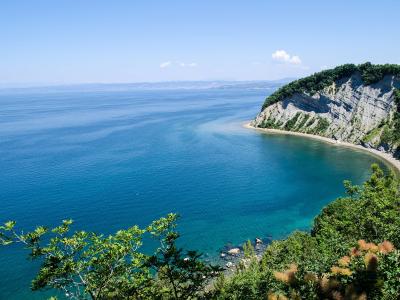
Strunjan Cliff
Cliffside views and saltpan heritage park
Coastal & Maritime · Natural Wonders
Questions people ask
Quick Facts
Best Time to Visit
May to October is ideal, with warm, sunny weather; autumn offers comfortable temperatures and fewer crowds for outdoor activities and beach visits.
Book your stay