


Narrow cobblestone streets
Narrow cobblestone streets framed by Venetian Gothic buil...
- Where
- Piran, Piran & Istrian Coast
- Directions
- Directions
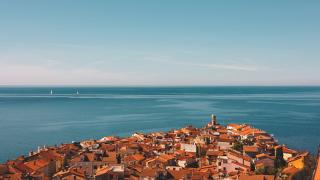
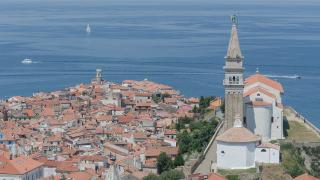
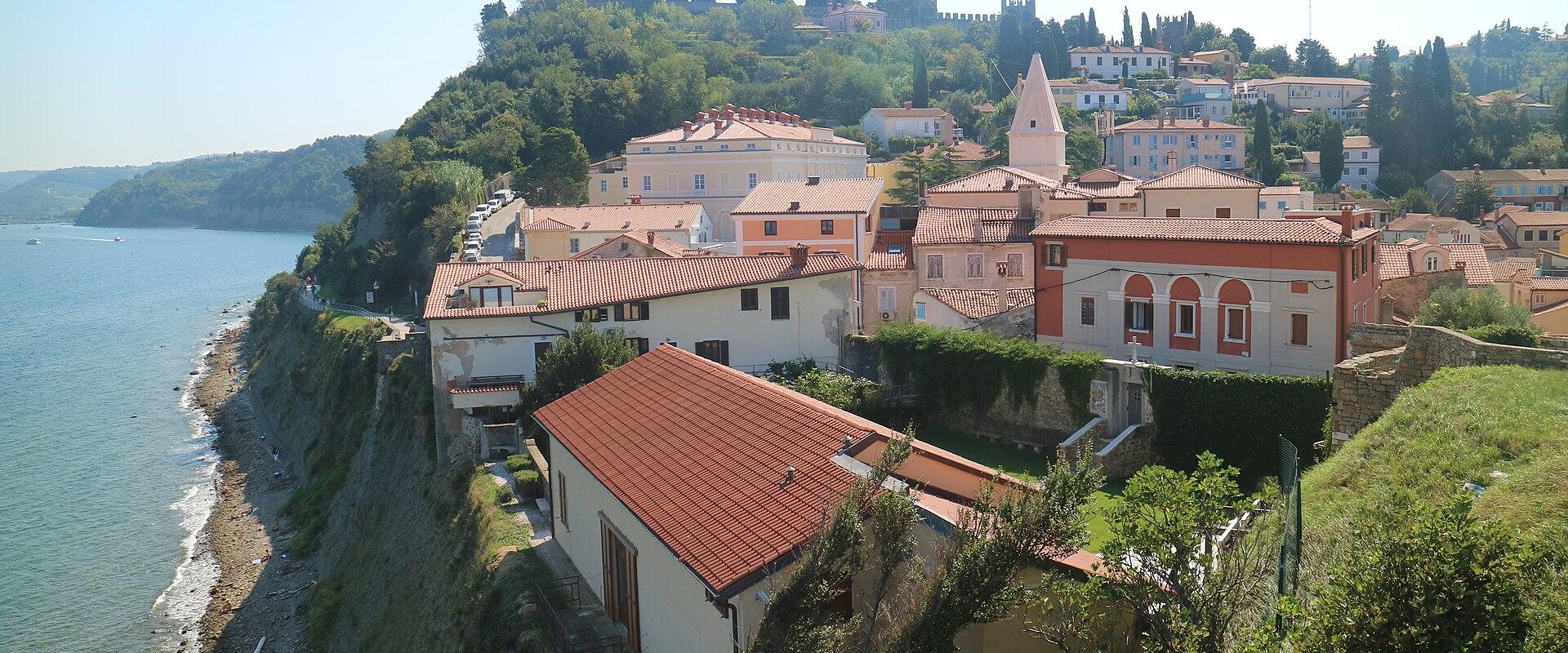
Piran sits at the tip of a small peninsula on Slovenia's Adriatic coast, and the old town is a dense knot of lanes, stairways and tiny squares squeezed into the rock between the harbour and the open sea. Space was always limited here, since the town was ringed by water on three sides and by walls on the land side, and the buildings grew tall and close together. The result is a labyrinth of narrow stone-paved streets, some barely wide enough for two people to pass, with tall houses leaning over them and the sky reduced to a thin strip overhead.
Much of what you see dates from the centuries of Venetian rule, which began in the late thirteenth century and ended with the fall of the Republic in 1797. During this period Piran prospered on salt, fishing and trade, and its merchants built houses in the Venetian manner, with pointed or rounded windows, stone balconies and carved doorways, some with coats of arms or inscriptions above the lintel. The Gothic details and the pastel colours of the facades, from ochre and pink to pale green, give the streets their character. Stone stairs, arches and small courtyards lead off the lanes, and every few steps there is a glimpse of the sea at the end of an alley.
The best way to enjoy the old town is to leave the map and wander. The paving is worn smooth in places by centuries of feet, so wear shoes with grip, particularly after rain. Cars are almost entirely excluded from the old centre, which makes it quiet, and you hear the sound of shutters, gulls and distant voices rather than engines. Cafes, ice cream shops, small galleries and craft stalls tuck into ground floors, and washing hangs from lines between the houses in the traditional Mediterranean way. In the evening the lanes are lit by lamps and the atmosphere becomes romantic.
The streets link the main sights. Tartini Square lies in the middle of the old town, St. George's Parish Church stands on the hill above, the Medieval Walls run along the high ground, and the Old Square and the Magical World of Shells Museum are tucked in between. Each lane offers a different angle on the town, and you will often find yourself returning to a spot by an unexpected route.
Visit early in the morning or in the evening to avoid the busiest hours of summer. The streets suit photographers, slow walkers and anyone who enjoys getting happily lost in an old town. Allow at least a couple of hours. Exploring on foot is the only way. Piran’s lanes reward curiosity, and Slovenia’s coast has nothing else quite like them.
Categories
More photos coming soon
Nearby Attractions
Other places to visit in Piran
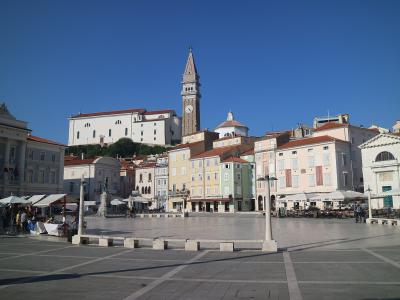
Tartinijev trg (Tartini Square)
Historic square with Tartini statue and Gothic house
Historic Towns · Monuments
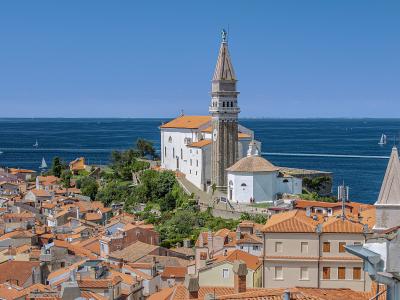
St. George's Parish Church
Venetian Renaissance church with St. Mark’s bell tower
Churches · Historic Towns
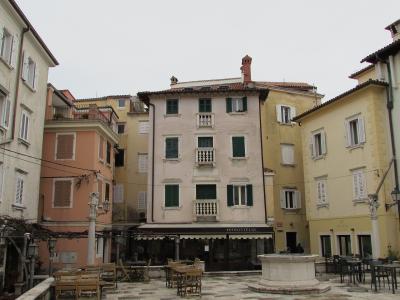
Old Square
Historic heart of Piran with Venetian architecture
Historic Districts · Historic Towns
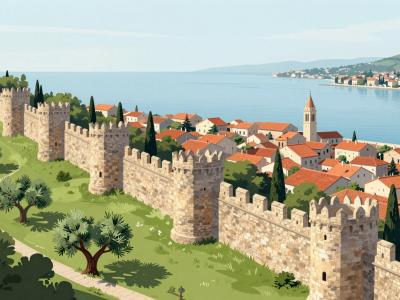
Medieval Walls
Medieval coastal walls guarding Piran’s heritage
History & Heritage · Urban Exploration
Questions people ask
Quick Facts
Best Time to Visit
April to October offers warm, sunny weather for sightseeing, beaches, and festivals; summer is lively, spring and autumn are mild and less crowded.
Book your stay