
- Where
- Kostanjevica na Krki, Dolenjska
- Directions
- Directions
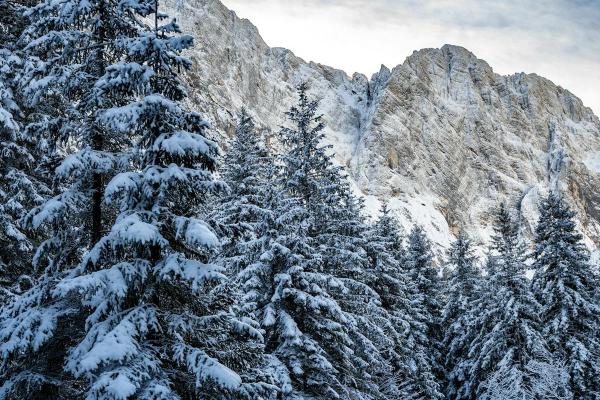
Krakovo Forest is a lowland oak forest on the floodplain of the Krka River, beside the small town of Kostanjevica na Krki in the Lower Carniola, in southeastern Slovenia. It is among the best-known remnants of the pedunculate oak forests that once covered river plains across the region, and it is protected as part of a European network of important habitats. Walking in it feels unlike walking in a mountain forest: the ground is flat, the trees are tall and widely spaced, and the light under the canopy is soft and green.
The forest owes its character to water. The Krka and its tributaries flood the lower ground at times, leaving damp hollows, ponds and slow channels among the trees. Pedunculate oak is the signature species, accompanied by ash, hornbeam, alder and field maple, with an undergrowth of wild garlic and spring flowers in April and fungi in autumn. Some oaks are several hundred years old, and the area includes a famous veteran tree, the Cvelbar Oak, that is noted for its girth. These old trees provide holes and dead wood that shelter beetles, bats and woodpeckers.
Timber from forests like this was important in the past. Oak from the Krka lowlands was valued for shipbuilding and construction, and forest management here goes back a long way. The name of Josef Ressel, the forestry official from the early nineteenth century who is better remembered as the inventor of the ship's propeller, is linked with the surveying and care of forests in this part of the Austrian Empire, and the forest holds a place in the story of his career.
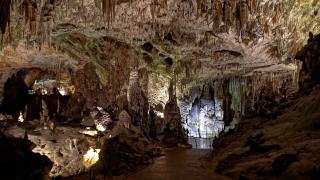
Kostanjevica na Krki, known as the town on an island because the river encircles its old centre, adds historic interest. The former Cistercian monastery and the Božidar Jakac Art Museum, the Church of St. James and the nearby Kostanjevica Cave are all within easy reach. The oak forest provides a natural counterpart to the town's cultural sights.
Marked paths allow visitors to walk through the forest on firm ground, though after rain parts of the route can be muddy or flooded. The forest suits walkers, birdwatchers, photographers and anyone curious about lowland woodland. Spring, with its flowers and birdsong, and autumn, when the leaves and mushrooms appear, are the most rewarding seasons. Insect repellent is useful in summer, and the best advice is to check local trail information before setting out.
Categories
More photos coming soon
Nearby Attractions
Other places to visit in Kostanjevica na Krki
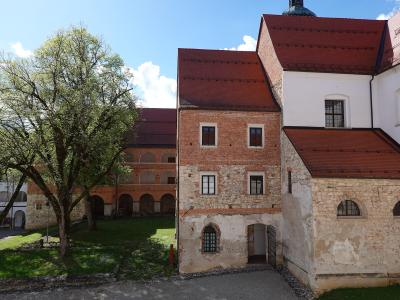
Cistercian monastery
13th-century Cistercian monastery on Krka River island
Churches · Historic Towns
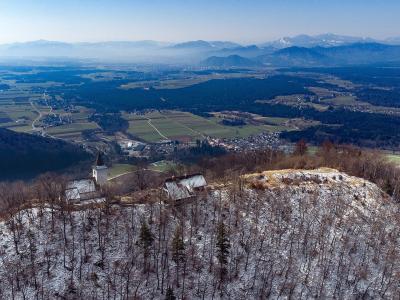
Cerkev Sv. Jakoba
Medieval Baroque church on Slovenia’s Krka River island
Churches · Historic Towns
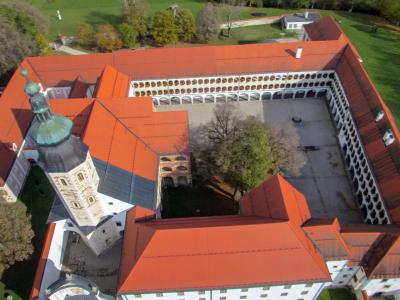
Božidar Jakac Art Museum
Slovenian modern art in a medieval monastery
Historic Houses · Museums
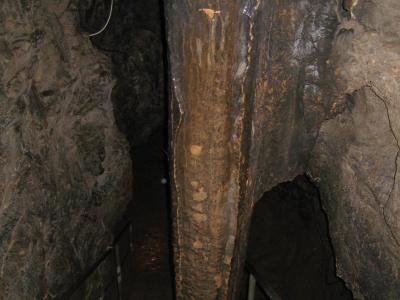
Kostanjevica Cave
Natural cave opened by underground waters in 1937
Caves · Geological Sites
Questions people ask
Quick Facts
Best Time to Visit
May to September offers warm weather for river activities, art events, and outdoor exploration; spring and autumn are mild and scenic.
Book your stay