- Where
- Idrija, Notranjska
- Directions
- Directions
Idrija is known across Europe for its bobbin lace, a craft that has been practised in the town for centuries and that is still taught and worn today. According to local tradition, lace-making took root in the seventeenth century, when the wives and daughters of the miners of the town's mercury mine began to make lace to supplement the family income. The work could be done at home, it used cheap thread, and it required patience and skill rather than capital, so it became a mainstay of many households. Over time, Idrija lace developed its own patterns and techniques, and the town became one of the leading lace centres in the Habsburg lands.
The lace is made on a cushion with many wooden bobbins, which are twisted and crossed around pins placed in a pattern. A lace-maker may use dozens of bobbins at once, and the finished piece is built up from tapes and fillings in a pattern that can take many hours to complete. The traditional Idrija style is distinguished by a continuous tape, called a ribbon or trak, that winds through the design, and by repeated geometric and floral motifs. The lace carries a protected geographical indication, so that only authentic hand-made work can be sold under the name, and the craft is recognised by UNESCO as part of the intangible cultural heritage of humanity.
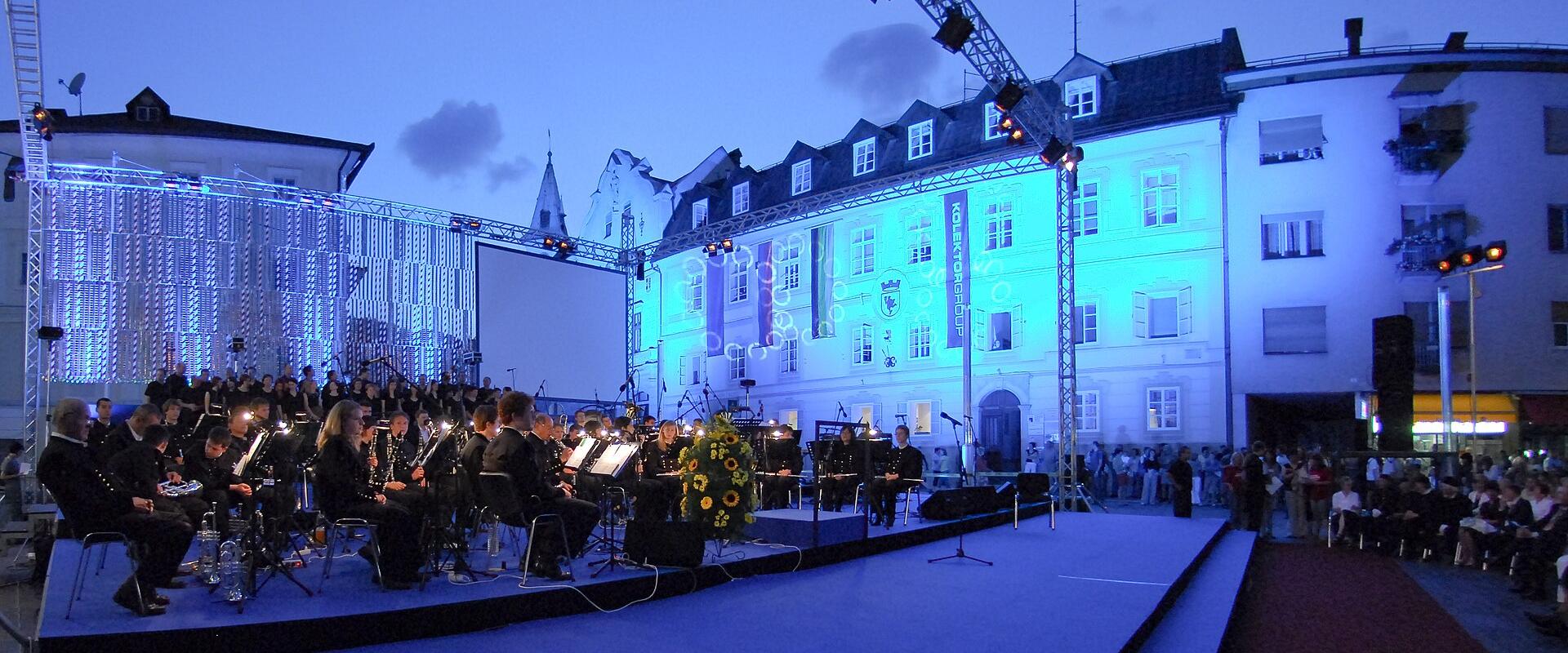
The Idrija Lace School, founded in 1876, is the centre of the tradition and is described as one of the oldest of its kind still operating. Pupils start young and learn patterns over several years, and the school keeps designs alive and creates new ones. Visitors can learn about the school, see demonstrations and, at some times of year, try a short workshop making a simple piece of lace. The lace collection in the Municipal Museum of Idrija, inside Gewerkenegg Castle, shows historic examples, from christening bonnets to tablecloths and costume decoration. Each June the town holds a lace festival that fills the streets with demonstrations, parades and competitions.
The lace is closely linked to the story of mercury mining in Idrija, and the two traditions make a natural pair. The Idrija Mercury Mine, the Anthony Mine Shaft and the Water Pump of Idrija (kamšt) show the industrial side of the town, while the Idrija Geopark Visitors' Centre, the Church of Mary on the Rock and the Old School provide further context. Wild Lake (Divje Jezero) and the Zgornja Idrijca Nature Park offer walks, and the Feldban hiking trail leads out of town. Lace makes a good souvenir, but look for the authentic mark to be sure it is genuine.
Categories
More photos coming soon
Nearby Attractions
Other places to visit in Idrija
Zgornja Idrijca Nature Park
UNESCO Geopark with rugged gorges and rivers
Activities & Adventure · History & Heritage
Idrija Geopark Visitors’ Centre
UNESCO Geopark showcasing mercury mining heritage
Geological Sites · Guided Tours
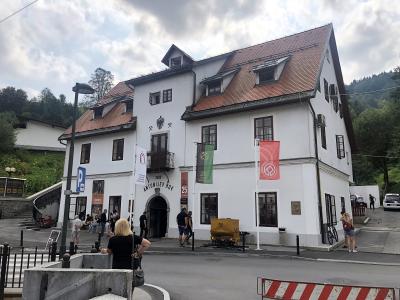
Idrija Mercury Mine
UNESCO mercury mine with 500+ years history
Guided Tours · Historic Towns
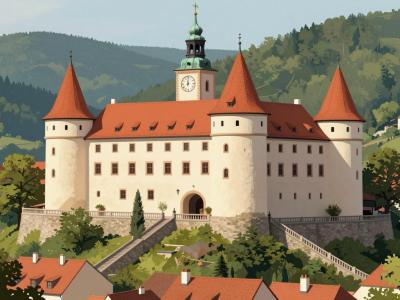
Municipal Museum of Idrija
16th-century castle showcasing Idrija mining and lace her...
Castles · Historic Towns
Questions people ask
Quick Facts
Best Time to Visit
May to October offers mild weather for mine tours, hiking, and festivals; spring and autumn are scenic and less crowded, summer is lively and warm.
Book your stay