- Where
- Idrija, Notranjska
- Directions
- Directions
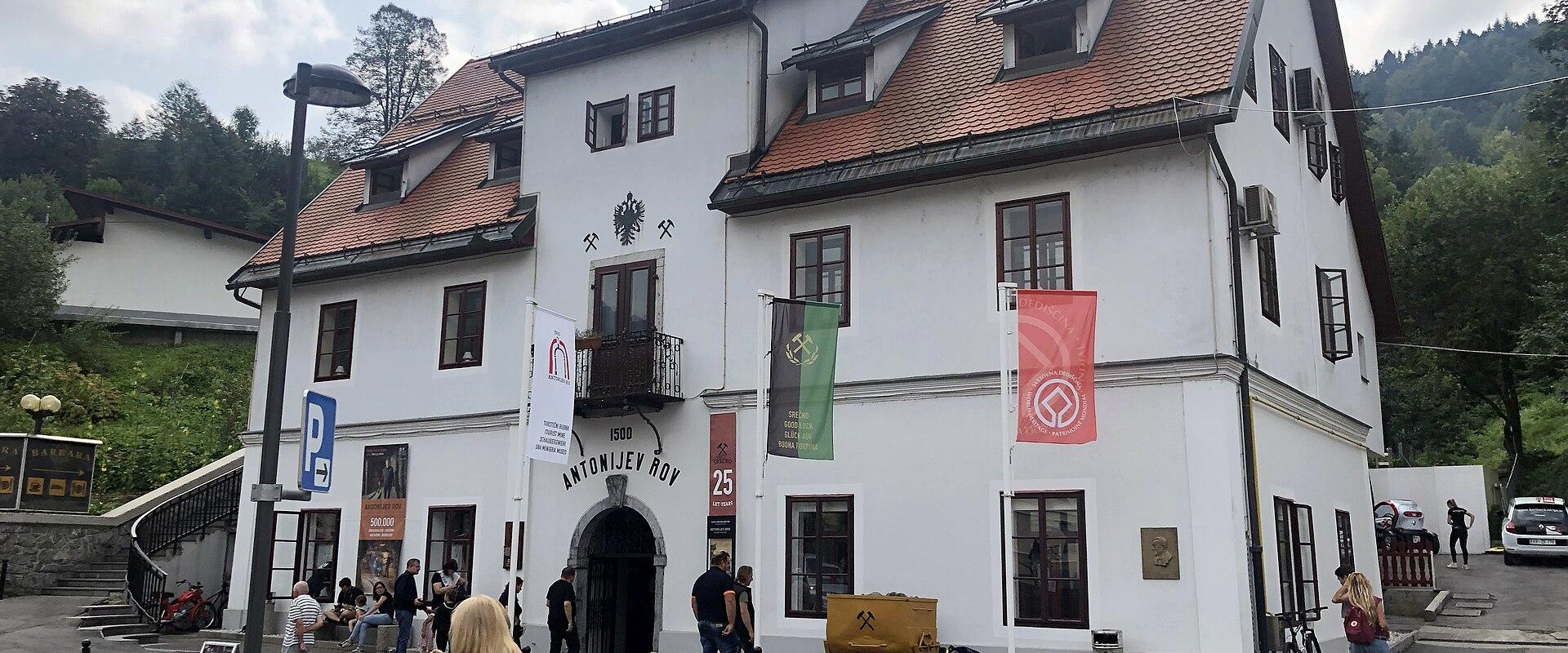
Idrija’s story begins in a narrow valley in western Slovenia, and for about five centuries almost everything in the town depended on what lay under it, and today the mine is one of Slovenia’s most important industrial heritage sites. Mercury, or quicksilver, was found here at the end of the fifteenth century, and tradition gives the year as 1490 and credits a local cooper who noticed liquid metal in a tub left to catch water. Whatever the exact details, the find turned a remote mountain settlement into the site of the second largest mercury mine in the world, after Almadén in Spain. The metal went into mirrors, medicine, gold and silver extraction and later electrical and chemical industries, and the mine's output travelled across Europe and overseas. Production ended in the 1990s, and the mine together with Almadén was inscribed on the UNESCO World Heritage list in 2012 as the Heritage of Mercury.
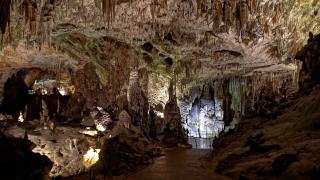
Visitors who go underground find workings that are a maze of galleries, shafts and staircases spread over many levels and totalling hundreds of kilometres, only a tiny part of which is open to visitors. Guided tours lead you down into the oldest accessible section, Anthony Mine Shaft, where timber supports, hand-cut stone passages and the cool damp air show what the work was like in the early centuries. Guides explain how the ore was dug, hauled and roasted, why mercury poisoning was an occupational danger, and how miners' lives were organised around shifts, guilds and a strong sense of community. Longer tours with extra equipment are also offered, and the choice available changes by season, so check what is on when you plan your visit.
Above ground, the story continues in Gewerkenegg Castle, the former mine administration building, which houses the Municipal Museum of Idrija with displays on mining, mercury, local history and the lacemaking that miners' families developed as a second craft. A miner's house, the Idrijska rudarska hiša, is part of the heritage trail in the town, and a visit to the Old School and the Idrija Geopark Visitors' Centre adds geological context. Idrija lace is still made and sold locally, and the town holds a lace festival each year.
Food is part of the local identity too. Idrija žlikrofi, small dumplings filled with potato, onion and herbs and served with meat sauce or sautéed bacon, are the signature dish and are protected as a regional speciality at European level. The Idrija region also has lovely walking: the Wild Lake (Divje Jezero), the Water Pump of Idrija (kamšt) and trails through the surrounding forests are all close by.
The mine is a strong choice for anyone interested in industrial history, engineering, geology or the human side of mining. Wear a warm layer and sturdy shoes, since underground temperatures are low and floors are uneven, and note that the tour experience is physically undemanding but involves steps.
Categories
More photos coming soon
Nearby Attractions
Other places to visit in Idrija
Zgornja Idrijca Nature Park
UNESCO Geopark with rugged gorges and rivers
Activities & Adventure · History & Heritage
Idrija Geopark Visitors’ Centre
UNESCO Geopark showcasing mercury mining heritage
Geological Sites · Guided Tours
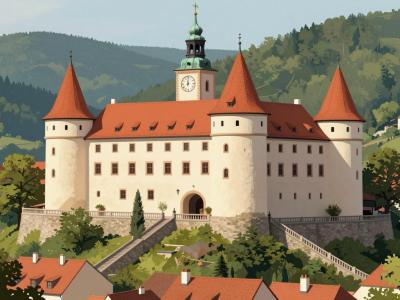
Municipal Museum of Idrija
16th-century castle showcasing Idrija mining and lace her...
Castles · Historic Towns
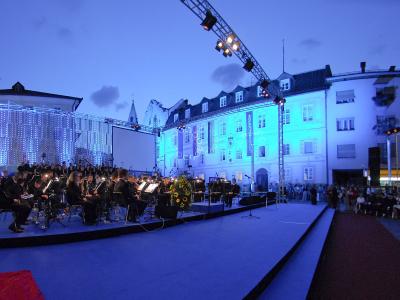
Idrija Lace
Intricate UNESCO-listed bobbin lace from Idrija
Cultural Experiences · Museums
Questions people ask
Quick Facts
Best Time to Visit
May to October offers mild weather for mine tours, hiking, and festivals; spring and autumn are scenic and less crowded, summer is lively and warm.
Book your stay