- Where
- Prekmurje, Prekmurje
- Directions
- Directions
Bograč is the best-known savoury dish of Prekmurje, the flat northeastern corner of Slovenia beside the Hungarian and Austrian borders, and it takes its name from the cauldron in which it is cooked. The word comes from the Hungarian bogrács, meaning a kettle, and the dish is a close relative of the goulash cooked on the other side of the border, which is natural for a region that was part of the Kingdom of Hungary for nearly a thousand years. In Prekmurje it has become a symbol of local cooking and hospitality, and it is the dish most often cooked for festivals, village gatherings and family celebrations.
The method matters as much as the ingredients. A bograč is traditionally cooked outdoors in a heavy iron cauldron hung over an open wood fire, and the cooking is slow and unhurried. The usual base is onions softened in fat, to which meat is added in generous chunks: pork, beef, often with game such as venison or wild boar, and sometimes several kinds together. Potatoes, peppers, tomatoes and plenty of paprika follow, along with garlic, caraway and other seasonings, and the stew simmers for hours until the meat is tender and the liquid has become a thick, deep red sauce. Cooks argue about the proper proportions and each family has its own recipe, but the result is always a rich, warming dish. It is usually served with fresh bread, and often with the region's wines.
The outdoor cooking is also a social event. Bograč festivals and competitions in Prekmurje villages bring cooks together with their cauldrons, and visitors can watch the stews being prepared, smell the smoke and taste the results. Restaurants and village inns across the region serve their own versions, so it is easy to try the dish without waiting for a festival. Alongside it, the region's other specialities include layered Prekmurska gibanica, pumpkin-seed oil, and unusual desserts such as vanilla ice cream with pumpkin-seed oil poured over it.
A meal of bograč fits into any visit to Prekmurje, along with the spas, the floating mill on the Mura, the church at Bogojina designed by Jože Plečnik and the storks that nest on rooftops in summer. The dish suits groups, families and anyone who enjoys hearty, traditional cooking. It is best eaten in the cooler months, though festivals often take place in summer. Ask for a small portion if you want to save space for dessert.
Categories
More photos coming soon
Nearby Attractions
Other places to visit in Prekmurje
Thermal Springs in Prekmurje
Thermal springs rich in minerals in Prekmurje
Activities & Adventure · Natural Wonders
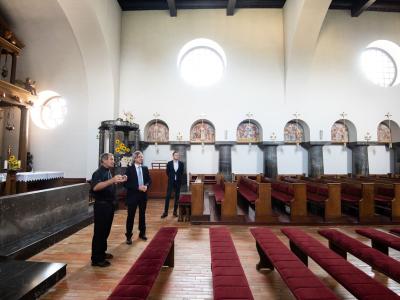
Plečnik's church in Bogojina
Plečnik’s cylindrical bell tower with classical columns
Churches · Historic Towns
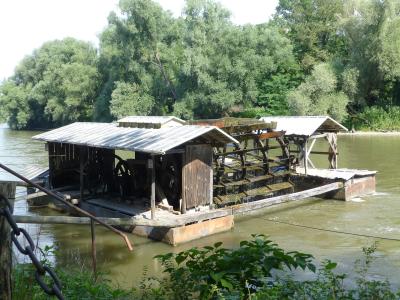
Floating mills on Mura river
Last preserved floating mill on Mura River
Historic Houses · Lakes & Rivers
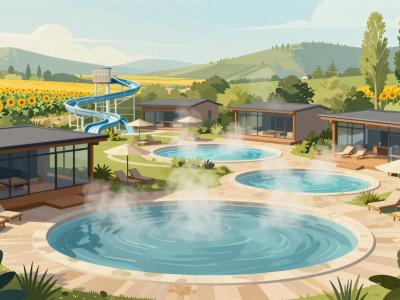
Spa Resorts in Prekmurje
Thermal springs and wellness retreats in Prekmurje
Activities & Adventure · Natural Wonders
Questions people ask
Quick Facts
Best Time to Visit
May to October offers warm weather, vibrant countryside, and ideal conditions for spa visits, cycling, and exploring Prekmurje’s unique culture.
Book your stay