Understanding the Safety Landscape
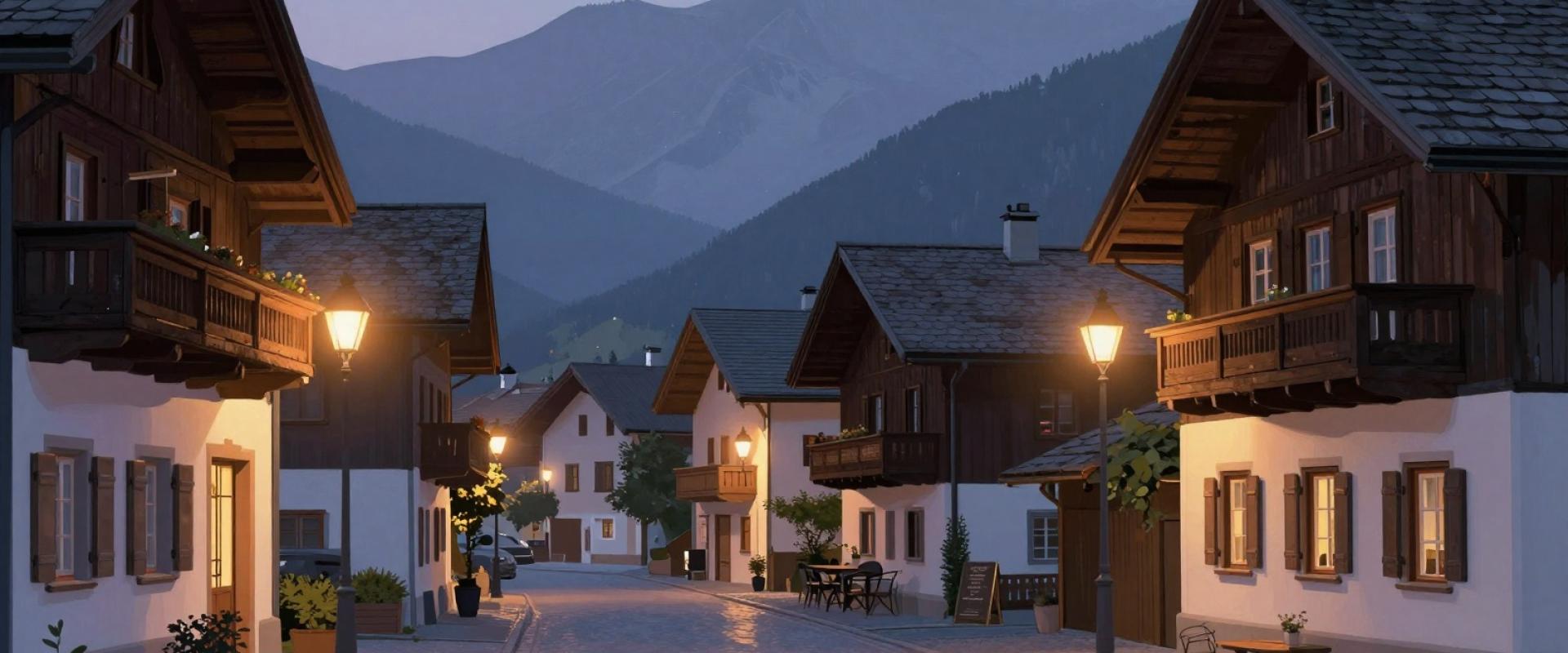
Slovenia ranks ninth globally in safety for 2024. Violent crime is rare for visitors. You should take normal security precautions. The primary risk involves petty theft. Pickpocketing and purse snatching occur frequently. These incidents happen in crowded tourist sites. Hotels, restaurants, and bars are common targets. Public transportation nodes pose significant risks. Airports and railway stations require vigilance. Keep personal belongings secure at all times. Carry photocopies of passports instead of originals. Store valuables in hotel safes when possible. Avoid carrying excessive cash in public. Park vehicles in well-lit, secure areas. Lock your car to prevent theft. Keep bags out of sight in busy zones. Slovenia maintains high health and hygiene standards. The low crime rate supports a secure environment. Awareness of your surroundings remains essential. Simple precautions effectively mitigate most risks. Focus on securing documents and wallets. This approach ensures a safe travel experience.
Securing Valuables and Documents
Slovenia ranks ninth globally in safety for 2024. Violent crime remains rare for visitors. Petty theft is the primary security concern. Pickpocketing occurs in crowded tourist sites. It also happens in hotels and restaurants. Bars, public transport, and airports are high-risk zones. Railway stations see frequent purse snatching incidents. You must take normal security precautions. Keep personal belongings secure at all times. Store original passports in hotel safes. Carry photocopies of important documents instead. This reduces risk if theft occurs. Minimize cash usage while traveling in Slovenia. Use secure ATMs located in banks. Avoid carrying excessive amounts of money. Never leave belongings unattended in public spaces. Keep items out of sight always. Use anti-theft gear for added protection. Under-clothing money belts are highly recommended. Park vehicles in well-lit areas only. Always lock your vehicle when leaving. Theft is the most common criminal activity. Practical precautions effectively mitigate these risks. Slovenia maintains high standards for traveler safety. Follow these steps to protect your assets.
Public transport in Ljubljana and Maribor requires vigilance. Pickpocketing occurs frequently on buses and trams. Keep bags on your lap or in front. Do not leave items on overhead racks. Crowded squares like Prešeren Square attract thieves. Markets in Ljubljana’s central area see high theft rates. Stay alert when navigating dense crowds. Never leave items visible in rental cars. Thieves target vehicles parked on city streets. Park in secure, well-lit areas whenever possible. Use guarded parking lots near major attractions. Lock all vehicle doors and windows completely. Remove valuables from sight before parking. Theft is the primary crime risk in Slovenia. Violent crime remains rare for tourists. Take normal security precautions in urban zones. Keep travel documents secure at all times. Carry photocopies of passports instead of originals. Use hotel safes for extra valuables. Avoid carrying excessive cash while traveling. Be mindful of your surroundings in transit hubs. Airports and railway stations are high-risk zones. Maintain awareness of personal belongings at all times.
Health, Hygiene, and Natural Hazards
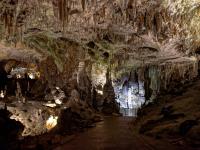
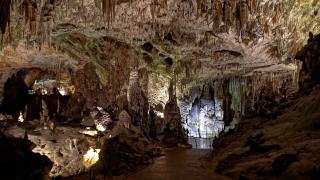
Slovenia maintains high health and hygiene standards. Tap water is safe to drink throughout the country. You do not need bottled water for basic hydration. However, use insect repellent during summer months. Mosquitoes are present in humid areas and near water bodies. Outdoor hazards require specific preparation in the Alps. Weather changes rapidly in mountainous regions. Check forecasts before hiking or climbing. Carry warm layers even in summer. Caves like Postojna and Škocjan have marked paths. Stay on designated trails at all times. Wear proper footwear for uneven surfaces. Bring a headlamp for cave exploration. Standard tourist gear is insufficient for deep caves. Comprehensive travel insurance is essential for outdoor activities. It must cover mountain rescue and medical evacuation. Emergency services are reliable but costly without coverage. The Alpine Club of Slovenia assists in rescues. Ensure your policy includes high-altitude activities. Avoid swimming in unknown rivers without local knowledge. Currents can be strong and unpredictable. Stick to designated swimming areas in lakes. Hygiene facilities are clean in public parks. Use hand sanitizer after visiting public restrooms. Food safety standards are strict in restaurants. Drink water from taps to reduce plastic waste. Carry a reusable bottle. Refill stations are available in cities. Stay hydrated during physical activities. Heat exhaustion is a risk in July and August. Drink water regularly, not just when thirsty. Monitor weather alerts for thunderstorms. Lightning is dangerous in open alpine areas. Seek shelter in low-lying areas if caught outside. Do not stand under tall trees. Slovenia’s healthcare system is efficient. Carry your European Health Insurance Card if eligible. Private clinics offer faster service for non-emergencies. Pharmacies are widespread and well-stocked. Look for the green cross sign. Pharmacists can provide advice on minor ailments. Bring prescription medications in original containers. Declare them if asked by customs. Slovenia is generally safe for health-conscious travelers. Basic precautions ensure a healthy trip.
Emergency Contacts and Legal Context
Dial 112 for all emergencies in Slovenia. This single number connects you to police, fire, and medical services. Use 113 for non-emergency police matters. Contact your embassy immediately if you lose documents. Slovenian authorities require valid identification for verification. Respect strict local laws regarding drug possession. Penalties for drug offenses are severe and enforced rigorously. Public intoxication may result in fines or detention. Maintain valid travel insurance covering medical evacuation. Verify that your policy includes repatriation costs. Keep digital and physical copies of all documents. Store originals in hotel safes when possible. Report theft to local police for insurance claims. Obtain a police report within 24 hours. This document is mandatory for most claims. Slovenia has high health standards. Emergency care is accessible in urban centers. Rural areas may have limited immediate services. Plan routes to hospitals before traveling. Know the location of the nearest clinic. Carry your insurance card at all times. Ensure your policy covers pre-existing conditions if applicable. Legal assistance is available through embassies. Do not attempt to resolve legal issues alone. Cooperate fully with Slovenian authorities. Failure to comply may lead to detention.