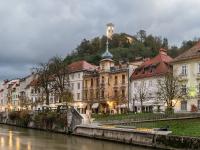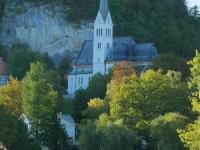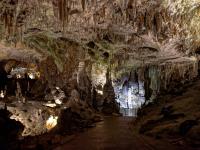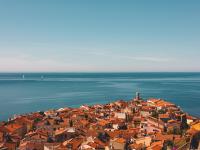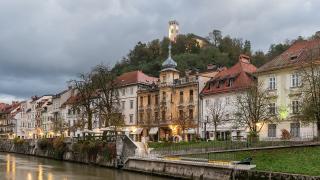
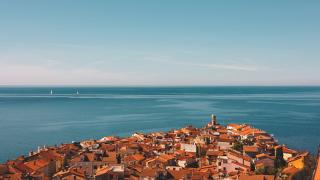
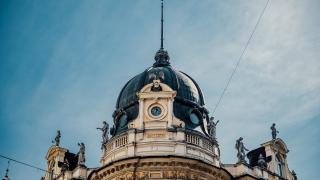
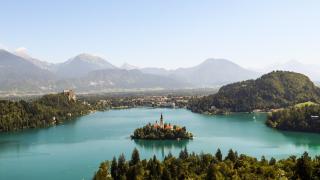
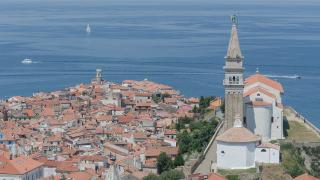
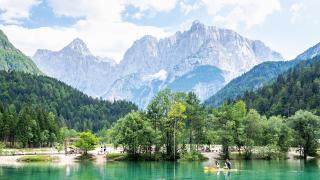
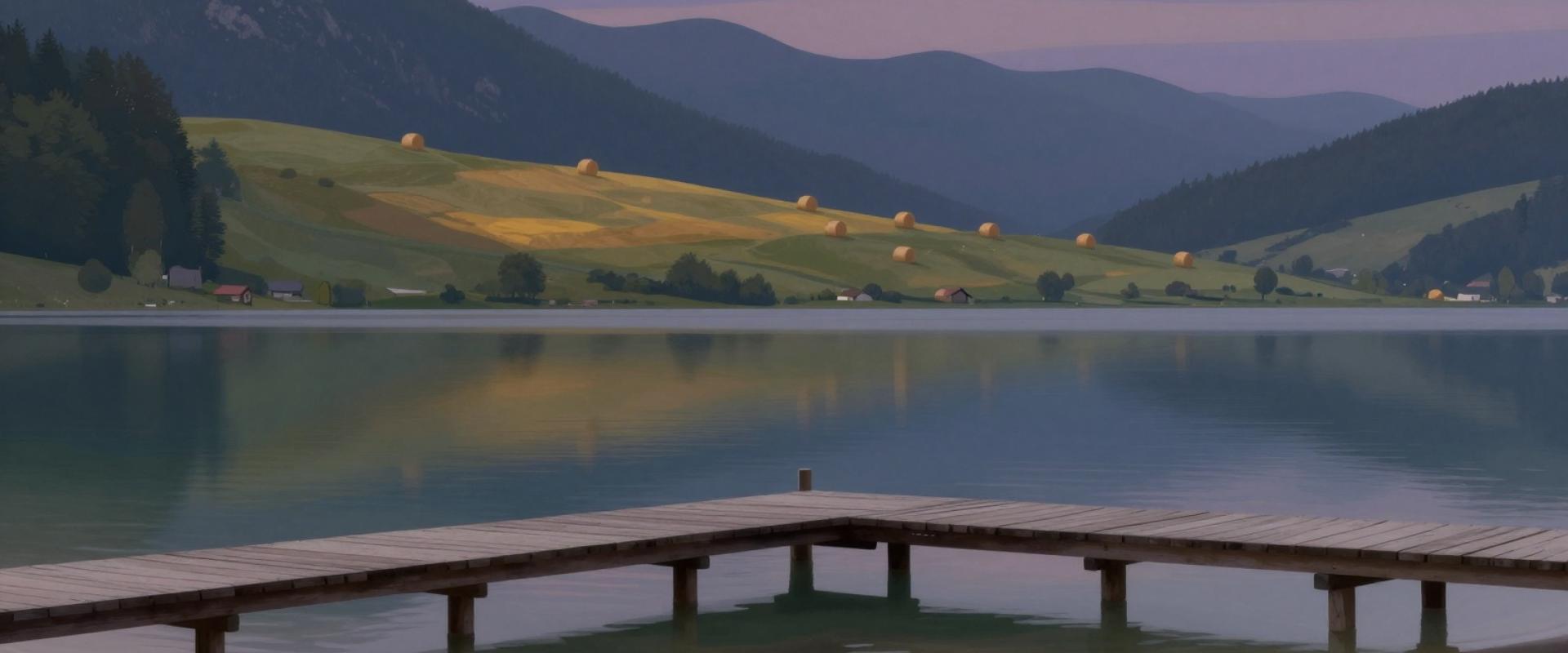
Slovenia’s compact size hides significant climatic diversity. Coastal, Central, and Alpine regions feature distinct weather profiles. You must pack for three different environments in one trip. The Adriatic coast offers warm, humid summers. Ljubljana experiences continental weather with hot days. The Julian Alps bring cold, unpredictable conditions. Rapid daily temperature changes occur across all zones. Layering is essential for managing these shifts. Pack moisture-wicking base layers for hiking. Bring a waterproof shell for sudden Alpine storms. Research specific destinations to prevent overpacking. Piran requires light, breathable summer clothing. Bled demands warm jackets for evening chill. Avoid generic tourist advice. Focus on functional, versatile gear. Check local forecasts before departure. Slovenia’s microclimates change quickly. Prepare for sun, rain, and wind. Pack sturdy footwear for varied terrain. Bring sunglasses for bright coastal glare. Layering allows easy adjustment to local conditions. This strategy ensures comfort throughout your journey.
Footwear for Alpine Hiking
Hiking defines Slovenian recreation. The Julian Alps demand serious gear. Cobblestone streets in Ljubljana transition quickly to rugged trails. You need versatile footwear. Sturdy, broken-in hiking boots are essential. They provide ankle support on steep slopes. The terrain varies significantly across regions. Moisture-wicking socks prevent blisters on long walks. Wool or synthetic blends work best. Cotton retains moisture and causes friction. Pack two pairs of hiking socks. Change them daily to maintain hygiene. Waterproof membranes handle sudden Alpine rain. The weather shifts rapidly in high altitudes. Ensure boots have deep treads for grip. Rocky paths require sturdy soles. Avoid lightweight sneakers for alpine routes. They lack necessary protection and stability. Break in new boots before arrival. Do not test them on day one. This prevents painful blisters during your trip. Proper footwear ensures safety and comfort. It allows you to explore freely. The Slovenian Trail network spans hundreds of kilometers. Reliable shoes make these distances manageable. Invest in quality gear now. It pays off in durability and performance. Your feet will thank you later. Prioritize function over fashion for hiking. This approach respects the local environment. It also respects your physical limits. Prepare adequately for the mountain conditions. Slovenia offers incredible views for those equipped properly.
Cultural Attire and Etiquette
Slovenia maintains conservative social norms, particularly in rural villages. Modest dress is strictly required for entering churches and religious sites. You must cover shoulders and knees when visiting cathedrals. This rule applies to all major religious landmarks. Rural areas expect respectful, understated clothing choices. Avoid revealing attire in small towns and villages. Versatile clothing like scarves helps meet multiple dress code requirements. A lightweight scarf provides necessary coverage for church visits. It also adds warmth during cooler Alpine evenings. Respecting local etiquette enhances cultural immersion and local interactions. Locals appreciate visitors who adhere to traditional standards. Pack layers that transition easily from city to country. Neutral colors blend better with conservative rural aesthetics. Avoid loud patterns or overly casual beachwear outside coastal zones. This approach ensures you remain comfortable and respectful. Proper attire facilitates smoother interactions with local residents. It demonstrates awareness of Slovenian cultural values. Prioritize practicality and modesty in your packing list. This strategy supports a more authentic travel experience.
Adapting to Local Shopping
Specialized outdoor gear is scarce in Slovenian towns. Major retailers stock basic hiking items only. Niche toiletries are difficult to locate outside Ljubljana. You must pack specific personal care products. Insect repellent is essential for Slovenian nature. Ticks and mosquitoes are prevalent in forests. Bring high-DEET formulations for effective protection. Reusable water bottles are highly recommended. Slovenia’s public tap water is safe and clean. You can refill bottles at public fountains. This reduces plastic waste significantly. Packing personal essentials prevents inconvenience in remote areas. Small villages lack large supermarkets. Stock up on medications before traveling. Bring specific brands of shampoo or soap. Local pharmacies may not carry your preferred items. Prepare for limited availability in rural shops. This strategy ensures comfort during your trip. You avoid unnecessary shopping detours. Focus on quality gear before arrival. Local stores offer limited variety. Plan your packing list carefully. This approach saves time and money. You remain prepared for all conditions.
Power and Connectivity Essentials
Slovenia uses Type C and Type F electrical outlets. These feature two round pins. Travelers from North America or the UK require specific adapters. Standard US plugs will not fit without conversion. Portable power banks are essential for long days of outdoor activity. Hiking in the Julian Alps drains phone batteries quickly. You must carry a high-capacity charger for multi-day treks. Reliable connectivity is key for navigation and emergency services. Mobile signal covers most trails, but gaps exist in deep valleys. Download offline maps before entering remote areas like the Karst region. Travel locks are useful for securing belongings in shared accommodations. Hostels in Ljubljana often provide communal dormitories. A small padlock protects your luggage from theft. Always verify your device’s voltage compatibility before plugging in. Most modern electronics support 230V, but check labels carefully. Avoid using high-wattage appliances in older hotel rooms. The electrical infrastructure varies between modern cities and rural guesthouses. Prioritize lightweight, dual-voltage chargers to save space in your backpack. This ensures you stay connected throughout your Slovenian adventure.