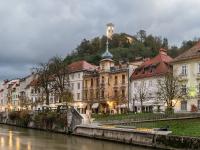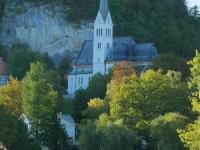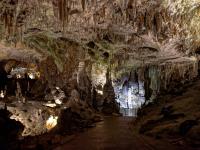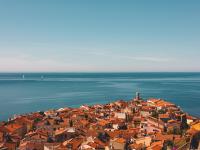
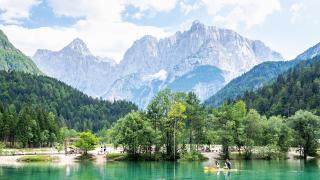
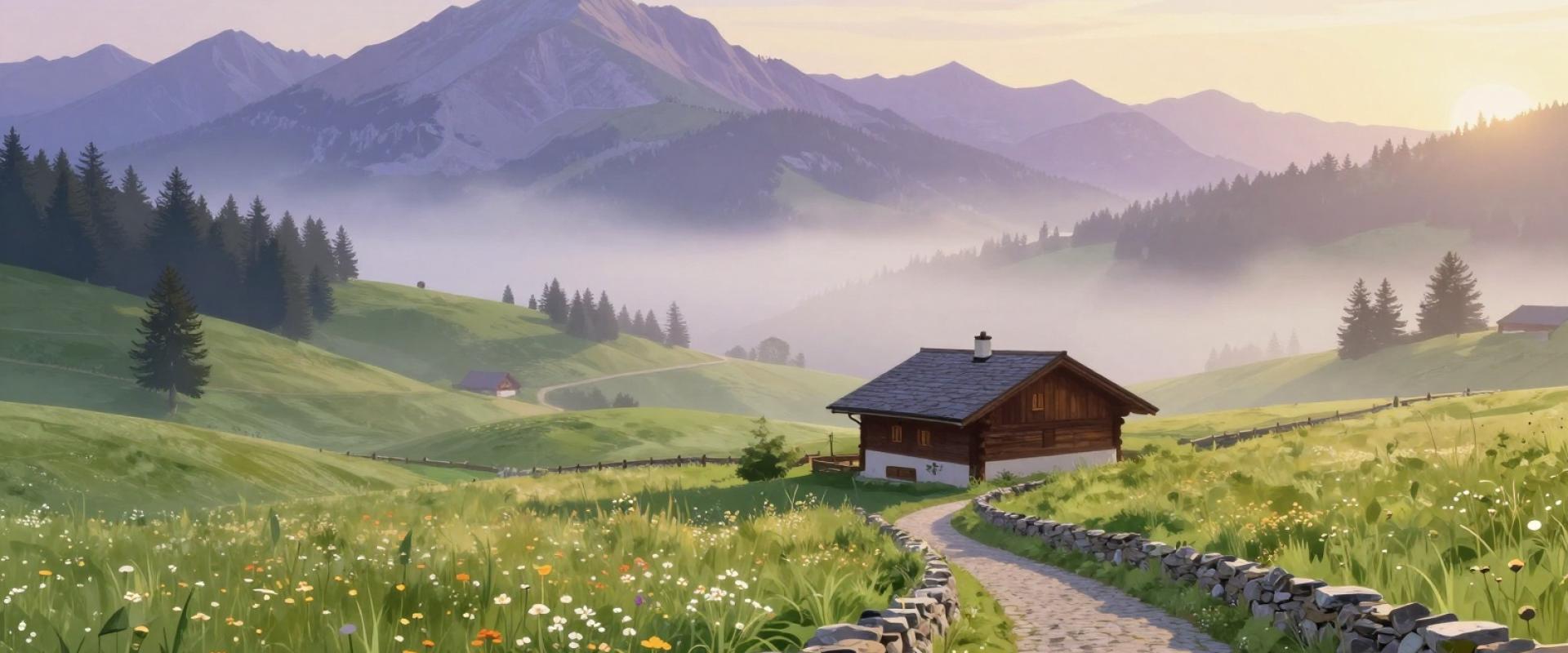
Slovenia’s topography creates distinct microclimates. The country spans from the Mediterranean to the Alps. This diversity requires precise packing strategies. You must prepare for rapid weather changes. Temperatures drop significantly at higher elevations. The Julian Alps experience cold conditions year-round. Snow is possible in July at high altitudes. Hiking in the Triglav National Park requires caution. Weather patterns shift quickly in alpine zones. Layering is the essential strategy for comfort. Start with a moisture-wicking base layer. Synthetic fabrics are superior to cotton. Cotton retains moisture and causes hypothermia. A waterproof, breathable outer shell is mandatory. Wind resistance is critical in exposed areas. Temperatures drop ten degrees per thousand meters. Prepare for cold even in summer months. The Karst region offers a different climate. It is warmer and drier than the north. Pack light, breathable clothing for coastal areas. Piran and Koper require sun protection. Bring sunglasses and high-SPF sunscreen. The coast is humid in July and August. Pack quick-dry garments for coastal humidity. Ljubljana has a continental climate. Expect warm summers and cold winters. Pack versatile layers for the capital. Rain gear is necessary year-round. Slovenia receives significant precipitation annually. A compact umbrella is useful in cities. Hiking boots with ankle support are essential. Trails in the Alps are rocky and uneven. Wear sturdy footwear to prevent injury. Wool socks provide warmth and moisture control. Pack extra socks for multi-day hikes. A warm hat and gloves are vital. Alpine winds are strong and chilling. Bring a thermal mid-layer for evenings. Temperatures fall sharply after sunset. A lightweight down jacket is practical. It packs small and provides warmth. Check specific forecasts for your route. Weather varies greatly between regions. Plan your packing list by destination. The coast requires different gear than the mountains. Adjust your luggage based on your itinerary. Slovenia’s terrain demands versatile, functional clothing. Prioritize function over fashion in alpine zones. Technical fabrics ensure safety and comfort. Avoid heavy, non-breathable materials. They restrict movement and cause overheating. Pack light to hike efficiently. Every gram matters on steep trails. Slovenia’s diversity rewards prepared travelers. Proper packing ensures a safe experience. Focus on adaptability and protection. The climate demands respect and preparation. Your gear should match the specific zone. Coastal, karst, and alpine needs differ. Tailor your list to each region. This approach maximizes comfort and safety. Slovenia offers varied landscapes for exploration. Proper preparation enhances your journey. Pack wisely for the alpine environment. The mountains require specific technical gear. Respect the local climatic conditions. Your safety depends on your choices. Slovenia’s beauty is best enjoyed prepared. Adapt to the changing weather. Layering is your best tool. Stay dry, warm, and safe. This strategy ensures a successful trip. Slovenia’s alpine climate is challenging. Proper gear is non-negotiable. Plan carefully for the best experience.
The Alpine Footwear Imperative
Slovenia’s terrain demands specialized footwear. The Dinaric Alps rise sharply from the coast. Limestone formations create rugged, uneven paths. Standard sneakers lack the necessary support. Hikers require sturdy boots with ankle support. The terrain is often slippery due to limestone dust. Rain is frequent in the Julian Alps. Non-slip soles are essential for safety. Trail conditions change rapidly with weather. Wet rocks become extremely slippery. Sturdy boots provide necessary grip and stability. Urban walking shoes are insufficient for alpine trails. They lack the grip needed for loose gravel. You must separate urban and alpine gear. Wear comfortable shoes in Ljubljana’s city center. Switch to hiking boots for mountain trails. The transition is necessary for safety. Alpine regions require more robust gear. The terrain is less forgiving in high altitudes. You must prepare for variable conditions. Pack boots that offer ankle support. This support prevents injuries on uneven ground. The investment in quality footwear is critical. It ensures safety and comfort on long hikes. Do not compromise on footwear quality. Poor footwear leads to blisters and fatigue. This can ruin the entire hiking experience. Prioritize durability and grip in your selection. The Slovenian landscape rewards proper preparation. It penalizes inadequate gear with discomfort or injury. Plan your packing list with this in mind. Ensure your boots are broken in before travel. This prevents blisters during the initial hike. The investment in quality gear is worthwhile. It enhances safety and overall enjoyment. Trust the local terrain’s demands. Respect the alpine environment’s challenges. Proper footwear is the foundation of a safe trip. It is the most critical item in your pack. Prioritize function over style in your selection. The terrain dictates the necessary gear. Adapt your packing strategy to the landscape. This approach ensures a safe and enjoyable experience. The Alpine Footwear Imperative is a strict requirement. It is not a suggestion for the trail. Adhere to these guidelines for a safe trip.
Coastal and Cultural Nuances
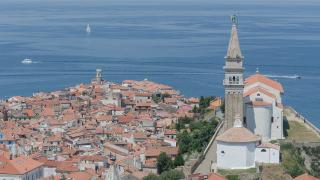
The coastal region near Piran and Portorož experiences a Mediterranean climate. Temperatures rise significantly in summer. Humidity levels increase near the Adriatic Sea. You must pack breathable, lightweight fabrics. Linen and cotton are essential for comfort. The Bura wind is a critical factor. This strong, cold wind blows from the northeast. It can lower temperatures sharply in the evening. Pack a light windbreaker or a sturdy jacket. You will need this protection for evening strolls. Coastal towns are smaller than Ljubljana. Streets are often paved with stone. Comfortable walking shoes are mandatory. Heels are impractical on uneven cobblestones. Cultural norms in Slovenia are conservative. Modest attire is required for church visits. Shoulders and knees must be covered. This rule applies to all religious sites. You must carry a scarf or shawl. This item provides necessary coverage for entry. Wine tourism is a major cultural activity. Visits to Goriška Brška or Vipava Valley are common. These regions are known for quality wines. You should pack a small, foldable tote bag. Use this bag to carry purchased bottles. Local bottles are heavy and fragile. Transporting them in standard luggage is difficult. Local norms value discretion and modesty. Loud behavior is generally frowned upon. Dressing neatly is a sign of respect. You should choose neutral colors for evening wear. Dark colors are appropriate for formal dinners. White is reserved for specific ceremonial occasions. Always check the specific venue requirements. Some wineries have strict dress codes. Smart casual is the standard expectation. Jeans are acceptable if they are clean. Avoid ripped or overly casual clothing. Pack versatile layers for changing conditions. The coast is warm, but evenings cool down. Prepare for both sun and wind. This preparation ensures comfort and cultural respect.
Essential Tech and Utilities
Slovenia uses the European Union standard for electrical outlets. You will encounter Type C and Type F sockets throughout the country. These outlets accept two round pins. The standard voltage is 230V. The frequency is 50Hz. Travelers from North America must bring a universal adapter. Devices from the UK also require an adapter. Most modern electronics support 100-240V input. Check your device labels before packing. A universal adapter is essential for charging phones. It also works for laptops and cameras. Slovenia’s infrastructure supports reliable electricity in cities. Remote mountain huts may have limited power. Portable power banks are highly recommended for hikers. The Julian Alps offer stunning scenery but few outlets. You can spend days without access to charging points. A 10,000mAh power bank ensures device longevity. It allows navigation apps to function continuously. Slovenia has excellent tap water quality nationwide. The water comes from protected underground sources. It is safe to drink directly from taps. You do not need to buy bottled water. This reduces plastic waste significantly. Reusable water bottles are practical and eco-friendly. Fill your bottle at any public fountain. Many trails have drinking water stations. These stations are marked on hiking maps. Carrying a bottle saves money and weight. Slovenia’s public transport is efficient and clean. Trains connect major cities like Ljubljana and Maribor. Buses reach remote villages and border towns. You can purchase tickets on board or online. Digital tickets are accepted on most services. Keep your phone charged for QR codes. Slovenia is part of the Schengen Area. Border controls are minimal within the zone. However, carry your passport or ID card. Police may conduct random checks in rural areas. Have digital copies of your documents. Store them securely in the cloud. This provides backup if physical copies are lost. Slovenia’s mobile network coverage is strong. Major carriers include Telekom Slovenije and A1. 4G and 5G are available in most areas. Remote valleys may have weaker signals. Download offline maps before hiking. GPS accuracy depends on signal strength. Slovenia’s climate varies by region. Coastal areas are humid and warm. Alpine regions are cool and wet. Pack layers for temperature changes. Rain gear is essential year-round. The Jansa jacket is a local favorite. It is lightweight and waterproof. Slovenia values sustainability and recycling. Separate waste into designated bins. Plastic, paper, and glass have specific containers. Follow local sorting rules strictly. Fines for improper disposal are enforced. Slovenia is safe for solo travelers. Petty crime is rare in tourist areas. Standard precautions apply in crowded markets. Keep valuables secure in hotel safes. Slovenia’s currency is the Euro. Credit cards are widely accepted. Cash is useful for small vendors. ATMs are available in all towns. Notify your bank of travel plans. Avoid dynamic currency conversion at terminals.
Smart Shopping and Local Solutions
Slovenia offers robust retail infrastructure for travelers. Major supermarkets like Mercator and Spar operate nationwide. These stores stock essential toiletries and clothing. You can buy forgotten items in Ljubljana or Maribor. Prices are comparable to other EU nations. A bottle of water costs approximately one euro. Basic toiletries range from two to five euros. This availability reduces the need for overpacking. You do not need to bring full kits. However, rural areas present different challenges. Remote villages in the Julian Alps have limited shops. Small local stores may close early. Stock is often restricted to basics. Plan to buy supplies in larger towns before heading out. Sustainability is a growing priority in Slovenia. Many hotels provide refillable dispensers for shampoo. This reduces plastic waste significantly. You should bring reusable water bottles. Tap water is safe and high quality in most urban areas. Refill stations are common in Ljubljana. This eliminates the need for single-use plastics. For outdoor activities, consider renting gear locally. Slovenia has a strong rental market for water sports. Kayaks and SUP boards are available in Bled and Bohinj. Rental shops operate from May to September. Daily rates for kayaks start around fifteen euros. This saves luggage space and transport costs. You do not need to bring bulky equipment. Renting supports local businesses directly. It also ensures you have modern, maintained gear. Check rental availability in advance during peak season. Summer months see high demand for equipment. Booking online secures your spot and price. Local solutions offer convenience and cost savings. They also align with eco-friendly travel practices. Use local resources to streamline your packing list. Focus on versatile clothing layers instead. Bring items that can be washed easily. This approach minimizes luggage weight and maximizes flexibility. Slovenia’s infrastructure supports this efficient travel style.