1-day itinerary
Discovering Triglav
One-day round hike to Triglav Lakes in Triglav National Park
- Length
- 1 day · 4 sights
- Pace
- Easy
- Estimated cost
- €65 per person
- Based in
- Triglav
Day by day
-
Day 1: Triglav Lakes & Savica Waterfall Hike
A full-day hiking adventure through Triglav National Park, starting with the iconic Savica Waterfall and culminating in a scenic loop around the seven Triglav Lakes. This itinerary balances moderate physical activity with breathtaking alpine scenery.
-
08:00
Travel to Bohinj Lake
Drive or take public transport from Ljubljana or Bled to the Savica Waterfall parking area (Moste pri Bohinju).
About 30 min
-
08:40
Savica Waterfall Ascent
Hike up the steep path to the top of the Savica Waterfall. Enjoy the view of the waterfall cascading down the cliff face. Note: There is a small fee for the path maintenance.
About 60 min
-
09:55
Descend from the waterfall and hike through the forest towards Planika. The trail is well-marked and passes through lush alpine meadows and streams.
About 1.5 hours
-
11:25
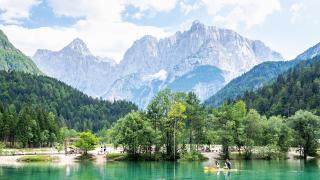
Arrive at the famous Seven Triglav Lakes. The first lake, Lake Planika, is the largest and most accessible. Take time to soak in the serene alpine atmosphere and take photos.
About 60 min
-
12:30
Lunch at Planika Hut
Enjoy a hearty lunch at the Planika Mountain Hut. Typical dishes include potato pancakes, soups, and local cheeses. Reservations are recommended in peak season.
About 60 min
-
13:30
Hike to Black Lake (Črno Jezero)
Continue the hike towards the higher lakes. The trail leads to Black Lake, the deepest and most mysterious of the Triglav Lakes, surrounded by steep cliffs. This section offers the most dramatic views.
About 2 hours
-
15:30
Return via Red Lake (Rdeče Jezero)
Descend via the loop trail, passing Red Lake, known for its reddish hue due to mineral deposits. This path offers different perspectives of the Julian Alps and is less crowded than the ascent path.
About 1.5 hours
-
17:00
Visit Triglav National Park Center
Stop at the Triglav National Park Information Center in Bohinj to learn more about the local flora, fauna, and conservation efforts before heading back.
About 60 min
- Meals:
- Lunch at Planika Mountain Hut; Snack at Bohinj Village
- Where to stay:
- Stay in Bohinj Village or Bled for easy access to the park. Bohinj is closer to the trailhead, while Bled offers more tourist amenities.
- Getting around:
- A car is recommended for flexibility. Public buses run from Ljubljana and Bled to Bohinj, but schedules may be limited in the off-season.
-
08:00
Practical information
Questions people ask
Book your stay