
Best of Dravograd

One-day general exploration of Dravograd, Slovenia

1 day Easy difficulty Est. €65

Day 1: Wine Heritage and Volcanic Wonders in Dravograd

A curated day exploring Dravograd's unique blend of viticulture and geological history. Start with the world's oldest vine, enjoy a traditional lunch, explore the interactive Vulkanija park, and conclude with wine tasting at a local winery.

  • 09:00

    Gesamtsteirische Vinothek & The Oldest Vine

    Begin your day at the Gesamtsteirische Vinothek, home to the world's oldest known vine, estimated to be over 400 years old. Visit the museum to learn about the region's wine heritage and the unique microclimate of the Drava River valley.

  • 10:30

    Morning Coffee in Dravograd Town Center

    Take a short walk to the town center for a coffee and pastry break. Enjoy the relaxed atmosphere of this historic Styrian town before heading to your next destination.

  • 11:30

    Vulkanija Adventure Park

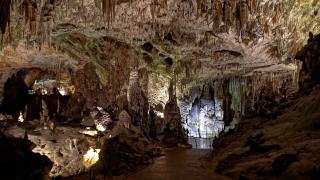
    Explore Vulkanija, an interactive park dedicated to volcanic geology. Walk through lava caves, touch real volcanic rocks, and learn about the geological history of the region in a family-friendly and engaging environment.

  • 13:30

    Traditional Slovenian Lunch

    Head to a local restaurant in Dravograd for a traditional lunch. Try local specialties such as štruklji (rolled dumplings) or a hearty stew paired with regional white wine.

  • 15:00

    Winery Marof Tour and Tasting

    Visit Winery Marof, a traditional Slovenian winery with a modern cellar. Take a guided tour to understand the winemaking process and enjoy a tasting of their award-winning wines, particularly their white varieties.

Meals: Lunch at Dravograd Town Center

Where to stay: For a 1-day visit, accommodation is not required. However, if extending the stay, consider Posestvo Gjerkes for an adults-only farm stay experience with vineyard views, or hotels in the Dravograd center for convenience.

Getting around: A car is recommended for flexibility, though Dravograd town center and Vulkanija are walkable. Public transport is limited for specific attraction access.

Practical Information

Dravograd, located in the Savinja Valley of northern Slovenia, is best visited between May and October. During these months, daytime temperatures typically range from 20°C to 25°C, offering ideal conditions for walking and outdoor activities. Summer can bring occasional thunderstorms, so checking local forecasts is advisable. Winter visits are possible but require preparation for cold temperatures and potential snow, which may limit access to certain hiking trails, though the town’s historic center remains accessible. Reaching Dravograd is straightforward via public transport or car. The town is well-connected by Slovenia’s rail network, with regular train services from Ljubljana and Maribor stopping at Dravograd station. For those driving, the A2 motorway connects major cities, with exit 14 providing direct access to the town center. Once in Dravograd, the historic center is compact and highly walkable. Key attractions like the Old Town Hall and the church of St. John the Baptist are within a short stroll of each other. For exploring the surrounding Drava River valley, renting a bicycle is a practical option, as the region has developed several cycling paths. Accommodation options in Dravograd are limited compared to larger Slovenian cities. Travelers should book guesthouses or small family-run hotels in advance, particularly during the summer peak season. Staying in Dravograd allows for a quiet, authentic experience, but those seeking more nightlife or diverse dining options might consider staying in nearby Maribor, which is only a 20-minute train ride away. Budget considerations should account for Slovenia’s generally moderate prices, though tourist areas can be slightly higher. Meals at local restaurants typically cost between €10 and €20 per person, while self-catering options can reduce expenses. Entrance fees for museums or guided tours are usually nominal, but always verify current pricing. When packing, prioritize comfortable walking shoes for cobblestone streets and layers for variable weather. A light rain jacket is essential year-round. Bring a reusable water bottle, as tap water is safe and of high quality. For cultural respect, dress modestly when visiting religious sites. Finally, carry some cash in Euros, as smaller establishments or rural shops may not accept cards, although most hotels and larger restaurants do. Planning ahead for accommodation and transport ensures a smooth, stress-free visit to this charming Alpine town.

Book your stay

Advertisement
Ad Space
sidebar top
Configure slot ID in .env
Ad Space
sidebar middle
Configure slot ID in .env

More Itineraries