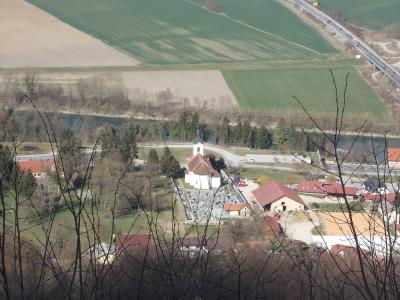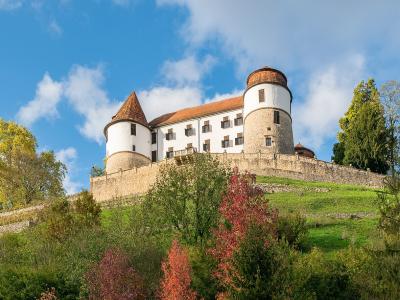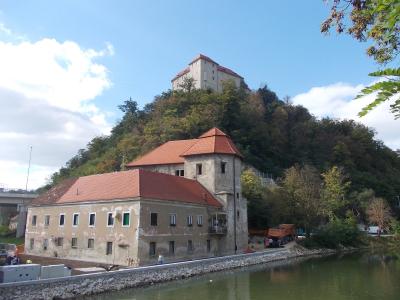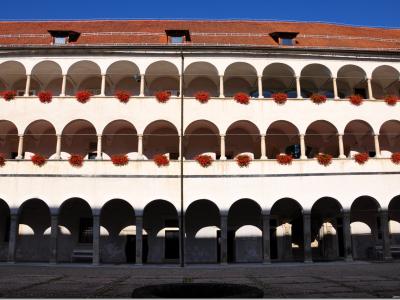
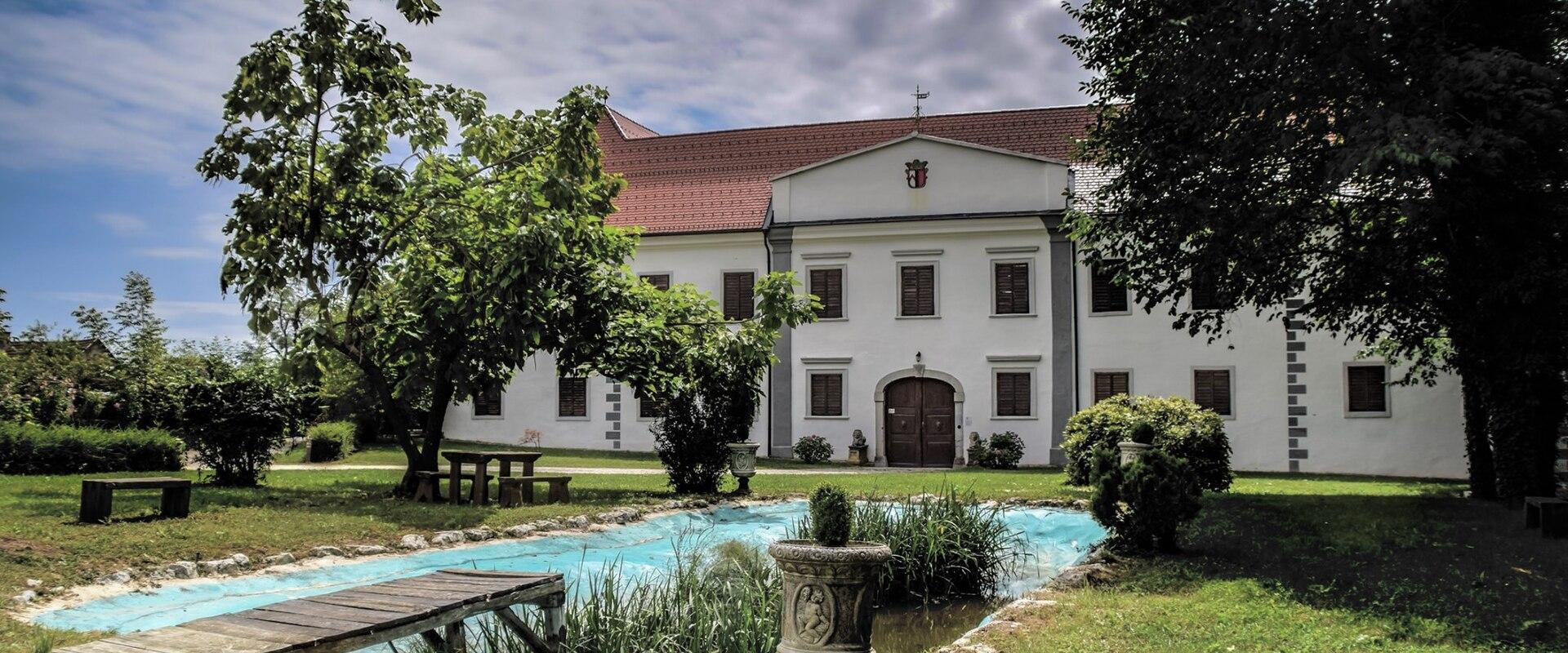
Raka lies in the middle of the Posavje region, in the lower Sava valley, in a landscape of low hills, vineyards, orchards and fields. It is a small village of a few hundred people, and its origins go back to the Middle Ages, when the settlement was a focal point for local trade, farming and community life. The centrepiece of Raka is its castle, Raka Castle (Grad Raka), which was first built in the twelfth century. Over the centuries the castle was renovated and extended, which gives it a mix of architectural styles from Romanesque to Baroque. Today the partly restored castle houses a museum with antique furniture, historical objects and period rooms, which take visitors back to the lives of the nobles who lived there. Guided tours explain its history, its legends and the noble families who once called it home.
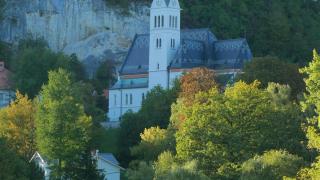
Beyond the castle, Raka’s village centre is pleasant to explore. The local church, with its traditional architecture and quiet setting, is a focal point for community gatherings and religious celebrations. The countryside is dotted with vineyards, orchards and fields, a scenic backdrop for walking, cycling and photography. Seasonal changes bring new beauty to the landscape, from spring blossom to autumn harvests, making Raka a year-round stop for nature lovers.
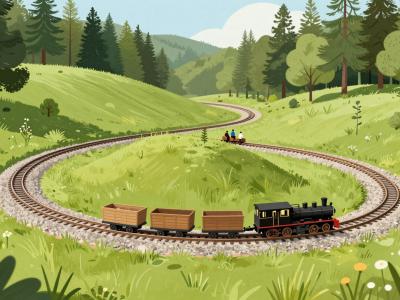
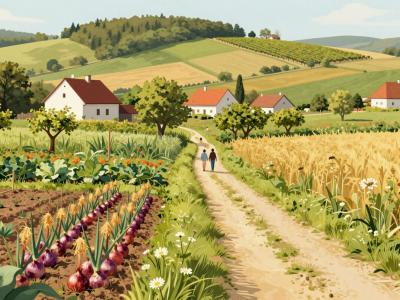
Two small attractions add variety. The Gozdna železnica Raka, the Forest Railway of Raka, recalls the narrow-gauge lines that once carried timber from the forests, and it is a favourite with families and railway fans. The Onion Walk is a themed route through the fields that introduces the village’s farming traditions and the importance of vegetable growing in this part of Posavje; it makes a pleasant walk for children and adults.
Cultural experiences are shaped by the rhythms of rural life. Visitors may find local festivals, craft fairs or traditional music, especially in summer. The residents are proud of their heritage and often share stories, homemade products and local delicacies with guests. Farm stays and guesthouses offer comfortable accommodation and a chance to see daily life in the Slovenian countryside.
Raka’s position in Posavje makes it a good base for nearby attractions. The area is known for its wine routes, thermal spas and historic towns such as Krško and Brežice. Day trips to the Sava River, hiking trails and regional markets give additional choices for adventure and discovery.
Getting to Raka is straightforward by car, with good road connections from Ljubljana, Krško and other regional centres. Public transport is available but limited, so a car is recommended for those who want to explore the area in depth. The village is compact and easy to walk, with most attractions within walking distance.
A simple plan is to start with the castle tour in the morning, walk the Onion Walk through the fields before lunch, and spend the afternoon on the forest railway or on a short cycle ride to a neighbouring vineyard. The village is quiet in the evening, which makes it a good place to rest after a day on the road between Ljubljana and the Croatian border.
The best time to visit is late spring to early autumn, when the weather is mild and the countryside is at its most vibrant. May, June and September offer pleasant temperatures and fewer visitors, while summer brings lively festivals and outdoor activities. Autumn is especially beautiful, with colourful foliage and harvest celebrations. Whatever the season, Raka’s mix of history, rural charm and natural beauty makes for an enriching visit.
Best time to visit
May to June and September to October offer mild weather, vibrant countryside, and ideal conditions for exploring Raka’s castle, village, and rural landscapes.
What to see in Raka
Our picks first.
Raka by interest
The same sights, grouped by what you came for.
Planning a visit to Raka
Good to know
- Currency
- EUR
- Language
- Slovene
Quick Facts
Book your stay