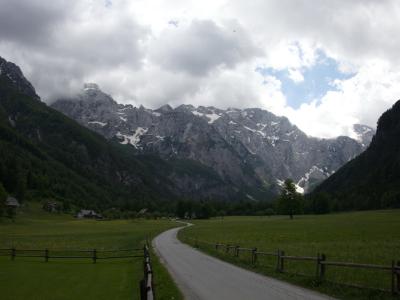
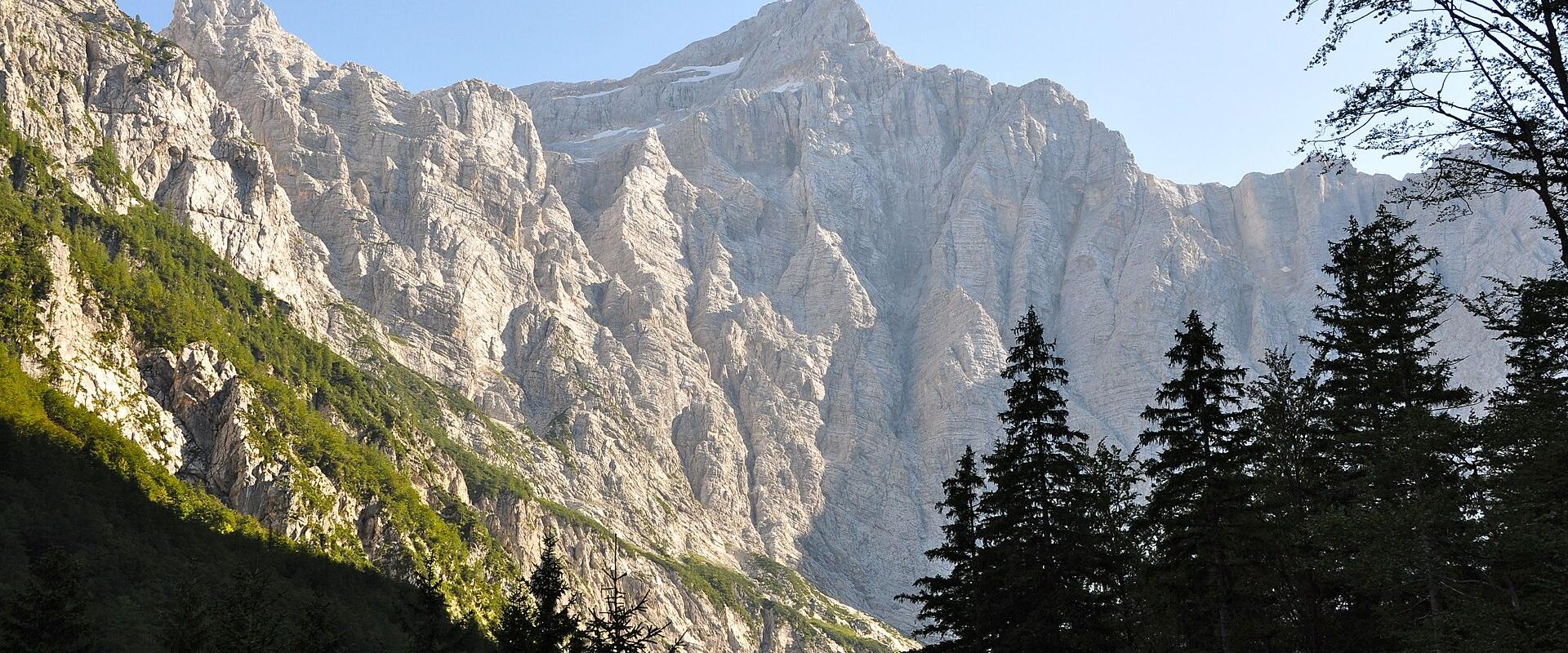
Mojstrana lies in the middle of the Upper Sava Valley and is a charming alpine village that has long been a starting point for adventures in the Julian Alps and Triglav National Park. It stands at the meeting of the Vrata, Krma and Kot valleys, which makes it a natural crossroads for hikers, climbers and nature lovers who want to explore Slovenia’s most dramatic mountain scenery. The village is surrounded by meadows, forests and tall peaks, with a quiet yet bracing atmosphere all year.
The history of Mojstrana is closely tied to the growth of mountaineering and alpine tourism in Slovenia. For generations the village has been a base for guides, climbers and outdoor enthusiasts, drawn by its closeness to Mount Triglav, the country’s highest and most revered peak. The Slovenian Alpine Museum, in Mojstrana, records this heritage with interactive exhibits, historical objects and stories of famous ascents. The museum is a worthwhile visit for anyone interested in the culture and history of the Slovenian Alps.
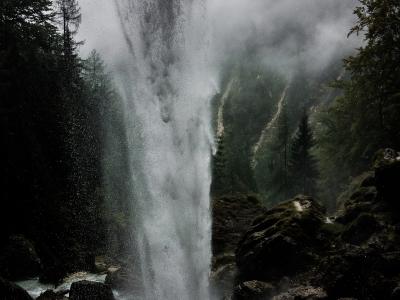
One of the main natural attractions near Mojstrana is the Peričnik Waterfall, in the Vrata Valley a short drive or walk from the village. This two-tiered cascade is one of Slovenia’s best-known waterfalls, with a path that lets visitors walk behind the falling water. The waterfall is especially impressive in spring and early summer, when snowmelt swells the stream, and in winter, when it freezes into a spectacle that suits ice climbing.
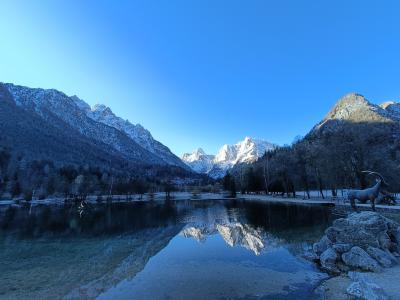
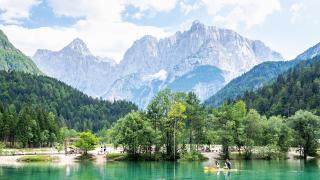
Mojstrana is also the gateway to the Vrata Valley, the most popular approach to Mount Triglav. The valley has a range of hiking and mountaineering routes, from gentle walks beside the stream to demanding climbs of the north face of Triglav. The Triglavski Dom na Kredarici mountain hut, the highest in Slovenia, is a key stop for climbers who aim for the summit. Other nearby sights include Lake Jasna, a clear alpine lake good for swimming and rest, and the Zelenci Nature Reserve, known for its emerald-green springs and biodiversity.
Outdoor activities abound in Mojstrana and its surroundings. In summer, hiking, mountain biking and via ferrata climbing are popular, with trails for all skill levels; the via ferrata routes near the village suit those with the right equipment and a head for heights. Guided tours and private guides are available for those who want expert knowledge or wish to try more technical routes. In winter the nearby Kranjska Gora Ski Resort offers skiing and snowboarding, while the valleys around Mojstrana are good for snowshoeing, cross-country skiing, ski touring and ice climbing. The village also hosts events and festivals that celebrate alpine culture and outdoor sports.
Getting to Mojstrana is straightforward. The village is about 20 kilometres from Kranjska Gora and 60 kilometres from Ljubljana, Slovenia’s capital. It can be reached by car on well-kept roads, and public buses connect Mojstrana with Kranjska Gora, Jesenice and other regional towns. The nearest train station is in Jesenice, from where buses or taxis can complete the journey.
The best time to visit is late spring to early autumn (May to October), when the weather is mild and suits hiking, climbing and exploring the valleys and waterfalls. June to August offers the warmest temperatures and the widest range of outdoor activities, while autumn brings colourful foliage and quieter trails. Winter is good for snow sports and ice climbing, with the surrounding mountains under snow.
Mojstrana also makes a good base for families who want mountains without the crowds of the lakes. Short walks to the waterfall, an easy stroll along the river in the Vrata Valley and a rainy-day visit to the museum fill a couple of days comfortably, and the village has simple guesthouses, a few small shops and a handful of places to eat. Climbers and walkers often start early from here, so breakfast is served at dawn in many places, and it pays to book a bed in the high huts well ahead in July and August.
With its mix of natural wonders, mountaineering heritage and welcoming alpine spirit, Mojstrana appeals to adventurers, families and anyone who wants the beauty and calm of the Slovenian Alps, and a night or two here makes a good alternative to staying in a busier resort.
Best time to visit
May to October is ideal for hiking and outdoor activities; June to August offers warmest weather, while winter is great for snow sports and ice climbing.
What to see in Mojstrana
Our picks first.
Mojstrana by interest
The same sights, grouped by what you came for.
Did you know?
Checked facts about Mojstrana, each with its source.
-
Sports
Mojstrana Has Another Verifiable Detail
With its scenic surroundings, welcoming atmosphere, and wealth of hiking, climbing, and cycling opportunities, Mojstrana is an ideal base for exploring the Julian Alps and experiencing the best of Slovenia’s alpine landscapes.
Source: Cycling - Outdoor Mojstrana
Planning a visit to Mojstrana
Itineraries that include Mojstrana
Good to know
- Currency
- EUR
- Language
- Slovene
Quick Facts
Book your stay