


Stepping Into the Fungal Forest
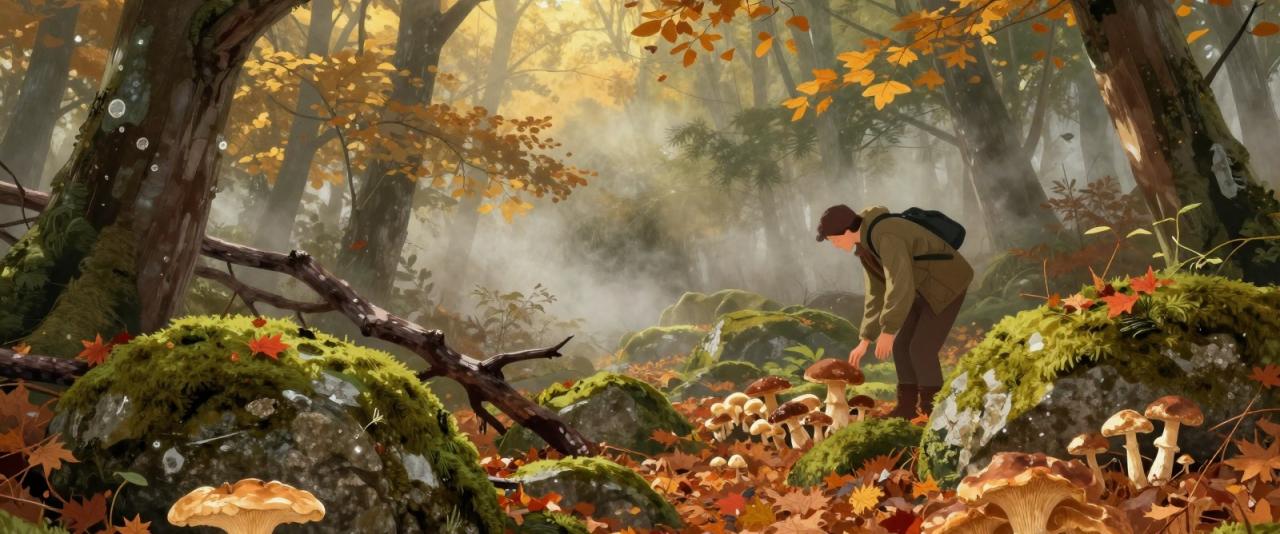
The air in the Karst region carries a heavy, mineral-rich perfume after the first autumn rains. This scent, distinct to the damp limestone bedrock, signals the awakening of a hidden ecosystem. Walking through these misty woods feels less like a standard hike and more like an invitation into a breathing, subterranean world. Locals refer to this weekend ritual as gobarjenje, a tradition woven into the fabric of Slovenian life. It is a communal practice where neighbors exchange whispers about the best hunting grounds, ensuring that knowledge passes down through generations.
Slovenia’s varied microclimates support an impressive array of fungal species, making every trail a unique discovery. However, this privilege comes with strict boundaries. You are permitted to gather up to 2 kg of mushrooms per person, a limit rigorously enforced to balance human enjoyment with ecological preservation. Respecting these rules is not just about avoiding fines; it is about honoring the landowners who generously share their private woods. Always stay on marked paths and heed every sign. By adhering to these guidelines, you help ensure that the forest remains abundant and vibrant for future seasons.
The Golden Rules of the Hunt
When the soil saturates, the landscape transforms into a sponge of biodiversity. To honor this delicate balance, foragers must adhere to the two-kilogram quota. Local forestry authorities enforce this limit strictly, viewing the harvest as a shared community resource rather than an individual bounty. Carrying your finds in a woven basket is not merely a nostalgic aesthetic choice; it is an ecological necessity. The porous structure of wicker allows spores to fall freely onto the forest floor, ensuring the regeneration of the ecosystem. In contrast, plastic bags trap moisture and spores, often leading to decay before you even reach home.
Handling techniques matter as much as containment. Never yank mushrooms from the ground. Instead, gently twist and lift the stem to preserve the delicate mycelium network beneath the soil. This simple act safeguards the fungal health of the Karst region’s unique micro-habitats. Before you even step into the woods, scan for private property signs. Many Karst fields are guarded closely by local families who prize their truffles and boletes. Ignoring these boundaries can lead to serious legal complications and damages the trust essential to community relations.
Patience is your greatest tool here. The forest rewards those who move slowly, scanning the leaf litter near oak trees where prized porcini often hide. Bring a sturdy basket to keep your finds fresh and prevent bruising. By observing rather than rushing, you align yourself with the natural rhythm of the hunt. This careful approach maintains the Karst’s rich fungal heritage, allowing you to enjoy the process as much as the prize.
Distinguishing Gold from Poison
The earthy perfume of the Karst promises culinary delight, but it also masks deadly imposters. Navigating this landscape requires sharp observational skills. Visual cues and spore prints serve as your primary defense. Porcini and chanterelles are highly prized, yet they can closely resemble toxic species like the Death Cap. Always verify your harvest with an experienced local expert before cooking. A field guide and a dedicated notebook help record specific habitat details, building your knowledge over time and preventing dangerous mistakes.
Legal constraints shape the experience as much as biology does. The 2 kg limit ensures sustainability, making every successful find valuable. Additionally, confirming land ownership status is non-negotiable. Private property rights are strictly enforced, and trespassing disrupts both the environment and community goodwill. No single rule guarantees safety; context is everything. When in doubt, leave the mushroom behind. Your health is far more important than any meal. Consult reliable Slovenian foraging guides to understand regional variations and trust your instincts. Prioritizing caution ensures a safe and enjoyable autumn foraging experience.
From Forest to Fork
Gathering wild fungi is an act of preservation as much as acquisition. The limestone soil imparts an earthy depth to mushrooms like the porcino or chanterelle, creating flavors that cannot be replicated elsewhere. To capture this essence, start by gently brushing away soil debris rather than washing the delicate caps, which can become waterlogged. Traditional Štruklji dumplings, filled with a mixture of these fresh mushrooms and local cheese, offer a beautiful way to showcase the ingredient’s natural profile. Alternatively, slow-cooking your find in Fižolova moka, a hearty bean stew native to the area, allows the umami notes to meld with the savory beans.
Preserving this bounty extends the season’s joy. Slicing mushrooms thinly and hanging them in well-ventilated spaces allows them to dry naturally, concentrating their flavor without artificial intervention. Pickling in vinegar and salt offers another viable method, retaining the earthy essence while adding a tangy crunch. These techniques ensure that the delicate umami notes remain prominent, avoiding the need for heavy spices that might mask their subtle complexity.
Simple seasoning with olive oil, garlic, and salt often suffices to highlight the natural taste, letting the land’s bounty speak for itself. By honoring these traditions and regulations, you contribute to the preservation of Slovenia’s rich foraging heritage. Enjoy your harvest in classic Slovenian preparations that celebrate the intricate relationship between the forest and the fork.