Whispers of the Double-Headed Eagle
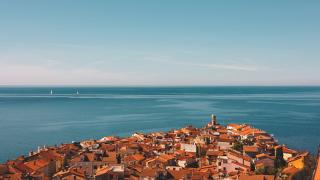
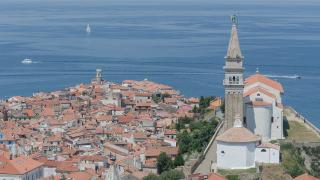
The salt air of Izola shapes the soul, but the limestone of Maribor shapes the mind. To walk these streets is to step into a narrative far denser than the postcards suggest. Here, the Habsburg legacy isn’t just a historical footnote; it is the mortar in the city’s walls. While Otto von Habsburg is frequently invoked in broader European histories regarding the peaceful dissolution of blocs, his specific resonance in Maribor requires a more nuanced lens. He was indeed a pivotal architect of European integration, yet the local memory is anchored less in his diplomatic titles and more in the region’s turbulent, self-determined path to sovereignty in 1991.
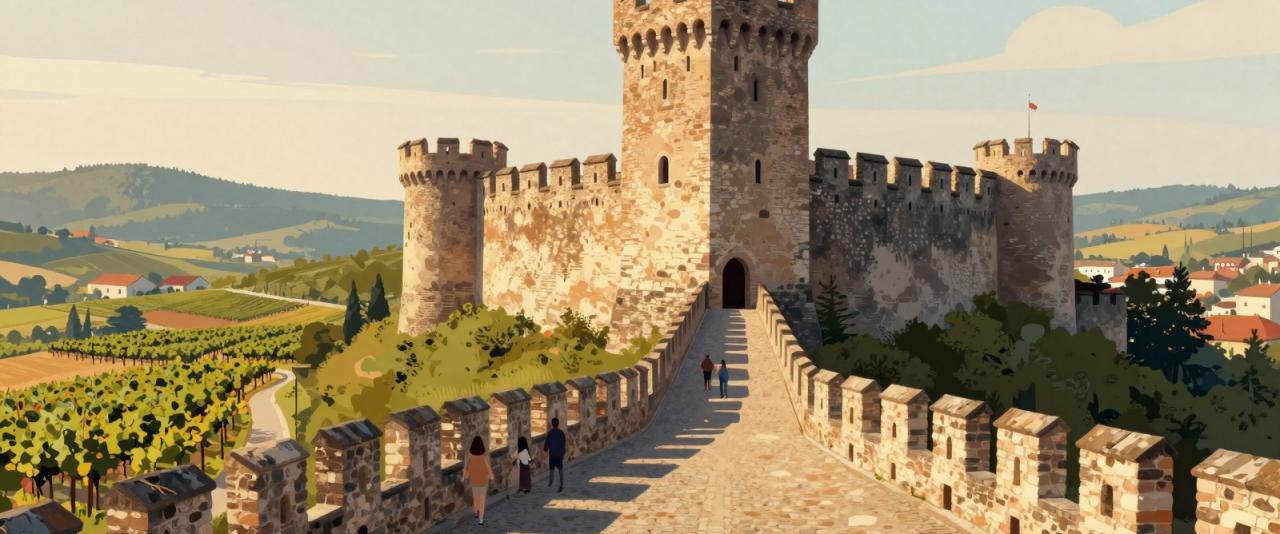
The Maribor Castle museum offers the most tangible entry point into this imperial past. For a mere €6, you cross the threshold into archives that have silently witnessed empires rise, clash, and crumble. This is not a sterile repository of dusty papers; it is a living space where the double-headed eagle seems to gaze protectively over the vineyards below. After wandering through these halls, let the weight of history settle before you head to a nearby tavern. Order a glass of Šipon wine. Let its crisp, mineral finish cleanse your palate and complement the heavy narrative you’ve just absorbed. What layer of this complex history speaks to you? 🦅
Castle Walls and Vineyard Secrets
Maribor Castle does not merely sit atop the city; it looms over it. For centuries, this sturdy sentinel enforced Habsburg administrative control, its stone corridors echoing with the boots of officials and the whispers of conspiracies. Today, those same walls house museums where local history breathes through carefully preserved artifacts. Just a short, winding walk away stands the Old Vine House. This Baroque gem guards a different kind of relic: the world’s oldest grapevine. Planted in 1678, this gnarled survivor is not just a tourist curiosity. It is a living testament to the region’s agricultural endurance, its roots digging deep into soil that predates the castle itself.
The Habsburg footprint extends beyond architecture, subtly dictating the layout of the city and its surrounding vineyards. Visitors often find themselves lingering on the castle grounds, struck by the visual tension between rugged medieval fortifications and refined Baroque elegance. This architectural dialogue offers more than aesthetic pleasure; it provides essential context for understanding how the empire’s influence permeated daily life.
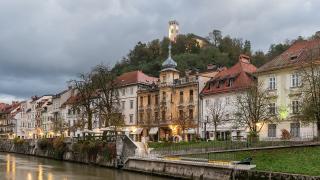
While the Drava River provides a serene, scenic backdrop, the true depth of Maribor lies in its stratified history. Exploring these sites reveals how the city’s identity is woven from centuries of imperial heritage and viticultural tradition. Each corner holds a piece of the puzzle, inviting travelers to look closer at the rich tapestry of Slovenian heritage.
Echoes of Otto and the Multicultural Tapestry
Otto von Habsburg’s presence in Maribor during Slovenia’s turbulent transition from Yugoslavia remains a poignant historical footnote. He visited the city not as a conqueror, but as a symbol of solidarity during a pivotal moment for the region’s sovereignty. This imperial connection still hums beneath the surface of the city’s modern identity, though it is the people, not the politics, who define the current atmosphere.
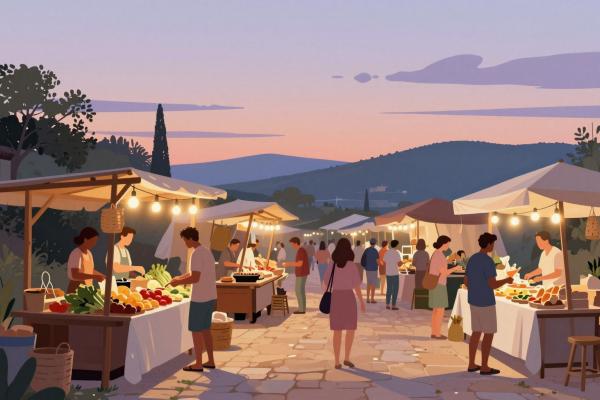
Walk through Maribor’s streets, and you will notice the intricate weave of its inhabitants. Slovenian traditions sit comfortably alongside Hungarian rhythms and Romani resilience. You can taste this diversity in the spice stalls of the central market, where cumin and paprika mingle with the scent of fresh bread. It lingers in the architectural details of community centers built over decades, structures that reflect a blend of influences.
The Habsburg era did not just leave behind stone buildings; it embedded a political consciousness that shapes daily life. Old facades whisper stories of a complex past, while newer structures stand as testaments to adaptation. Each corner reveals how historical policies continue to influence local identity. Maribor’s character is defined by this layered history. It is a place where past and present negotiate constantly. Exploring these nuances offers a deeper understanding of the city’s soul. The resilience of its people is visible in every neighborhood. This multicultural heritage is not just a backdrop. It is the living, breathing core of Maribor.
Your Habsburg-Hunting Itinerary
Begin your journey at Maribor Castle, a fortress where imperial history feels tangible rather than abstract. The stone walls here witnessed centuries of Habsburg influence, though one should approach the local narrative with care. While popular guides often cite Otto von Habsburg’s role in Slovenia’s 1991 independence, his actual contribution lay in broader European diplomacy and the peaceful dissolution of the Soviet bloc, not direct military or political campaigning within Maribor itself. Acknowledging this nuance respects the region’s complex past.
Wander through the cobblestone streets to ground yourself in the present. Stop at a local bakery for a slice of pritiskovka—a dense, savory pie that provides essential fuel for exploration. The taste is earthy and comforting, a stark contrast to the sterile energy of modern cafes. Afterward, seek out a quiet corner for coffee. This brief pause allows the mind to process the visual weight of the architecture without rushing to the next checkpoint.
Step outside the city center to find the Drava River. Its gentle flow offers a serene counterpoint to the rigid geometry of the old town. The water reflects the sky, softening the harsh lines of the surrounding stone. This juxtaposition of nature and history defines the Maribor experience. You will notice how the landscape guides your movement, inviting slower, more deliberate observation.
The broader region surrounding the city invites further exploration. Day trips into the vineyards reveal how agriculture and heritage intertwine in this part of Slovenia. The soil tells stories older than the castles. As you navigate these paths, consider how the past informs the present landscape. If you have discovered hidden gems in Maribor’s older quarters, share those specific locations in the comments below. Your insights might help others connect more deeply with the region’s layered history.