

Salty Breezes and Black Gold
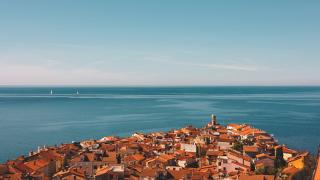
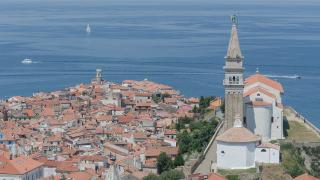
The Adriatic wind here does more than sting your cheeks with salt; it carries the rich, smoky aroma of wood-fired ovens and the day’s freshest catch. In the Primorska region, the boundary between sea and land dissolves, creating a culinary landscape where the two merge seamlessly. Wander through Piran’s narrow, winding lanes, and you will likely stumble upon black risotto, its deep, inky hue derived from cuttlefish ink. This briny, earthy dish finds its perfect counterpart in a glass of crisp local Malvasia wine.
Meanwhile, just down the coast in Koper, the focus shifts to cured meats. Here, prosciutto is treated with reverence—thin, delicate slices are aged to perfection and served on open-air terraces where families linger under the warm sun. The atmosphere is distinctly unpretentious, allowing parents to relax while children run safely along the waterfront. A seafood platter for two, bursting with local variety, typically costs between €15 and €20, offering exceptional value. This approach to dining honors tradition without excluding younger guests. Let the food narrate the story of the coast, embracing the slow rhythm and letting the experience unfold naturally.
Vines, Olives, and Little Hands
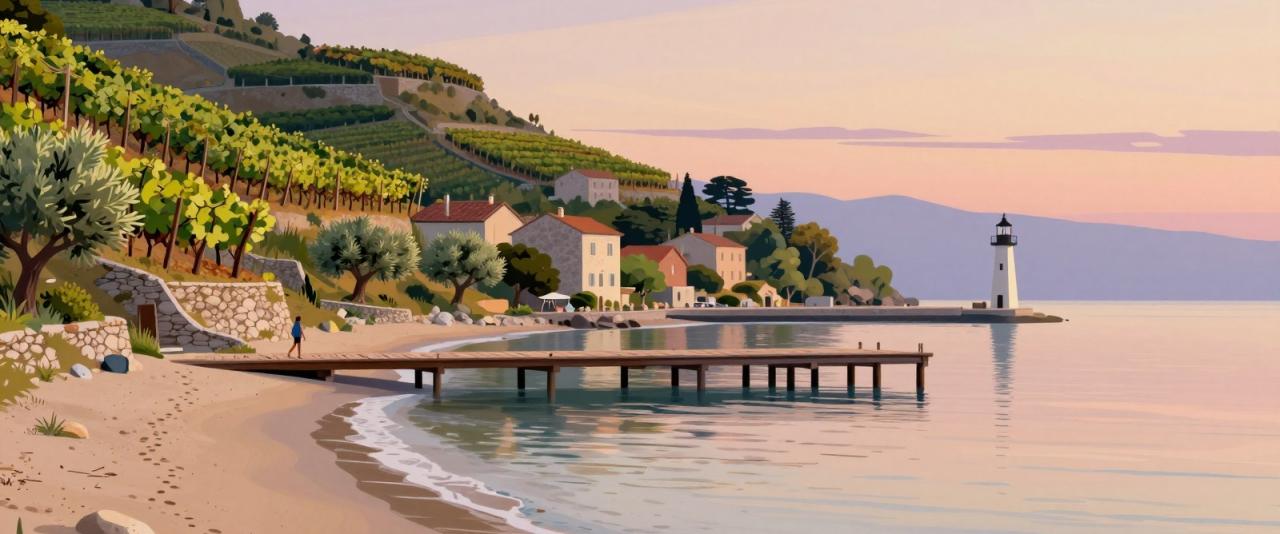
Brda’s rolling slopes offer a gentle, sun-drenched introduction to Slovenian terroir for families. As you travel inland from the coast, Alpine greens yield to Mediterranean warmth, creating a landscape that feels distinctly alive and sensory. The air here is thick with the scent of rosemary and damp, fertile earth.
Visit the cellars in the Vipava Valley, where vintners at establishments like Cante or Klet Brda explain the winemaking process with refreshing honesty. They strip away the pretension, speaking in simple terms that make the craft accessible. Children often delight in spotting the gnarled grapevines and learning which berries eventually become wine. Olive groves dot the landscape, producing oil with a peppery kick that tastes nothing like the bland supermarket brands. Many estates offer small tasting portions, and some even serve fresh grape juice for kids alongside Rebula for adults, ensuring everyone feels included in the journey.
Bring sturdy shoes for the uneven terrain and pack snacks for the long walks between tastings. Engaging children with the story of the land turns a simple outing into a memorable educational moment. Parents appreciate the relaxed pace, which allows for spontaneous stops and easy photo opportunities. This region balances culture with comfort, prioritizing connection and discovery over strict etiquette. Bask in the sun, taste the soil, and let the landscape speak for itself.
Morning Markets and Midday Feasts
Wake up before the sun fully claims the sky and head straight to the Koper Market. The air is thick with the scent of salt and sea as vendors from the nearby coast unpack crates of silver-scaled fish. Their movements are quick and practiced, ensuring the catch remains cold and sweet—qualities that supermarkets simply cannot replicate. Buying early guarantees the best selection before the summer crowds arrive.
Reservations are not just recommended; they are essential. Popular coastal spots in Piran or Ankaran fill up hours before service begins. Try Trattoria Da Romeo or similar family-run spots that often source directly from local farms. Expect to pay between €12 and €25 for a main course, a price point that reflects the quality of ingredients rather than inflated tourist markups.
Dive into the region’s culinary history through its food. Black risotto tells a story of Slavic and Mediterranean fusion, while Istrian fuži pasta, twisted by hand, offers hearty comfort against the sea breeze. These dishes are cultural artifacts on a plate, ranging from the tannic bite of young Rebula wine to the sweetness of ripe summer tomatoes. Seasonality dictates the menu: spring brings tender asparagus, while summer highlights olives and grapes. Small shops may close for the midday siesta, so plan your feast around these local rhythms. This pacing reduces travel stress and allows families to settle in. Carry cash, as many small vendors and older establishments still prefer euros over cards. As you navigate the streets of Primorska, you are not just eating; you are participating in a daily tradition that is rewarding, authentic, and deeply rooted in the coastal lifestyle.