

- Where
- Piran, Piran & Istrian Coast
- Directions
- Directions
Piran's old town has a surprising number of small museums, and one of the most unusual is the Magical World of Shells Museum, which is devoted entirely to molluscs and their shells. It stands on Tartinijev trg, the main square, and it appeals to children and adults who have ever picked up a shell on a beach and wondered what made it. The collection is a private one, built up over many years, and it is the only museum of its kind in Slovenia, which makes it a rare find for a country with so short a coastline.
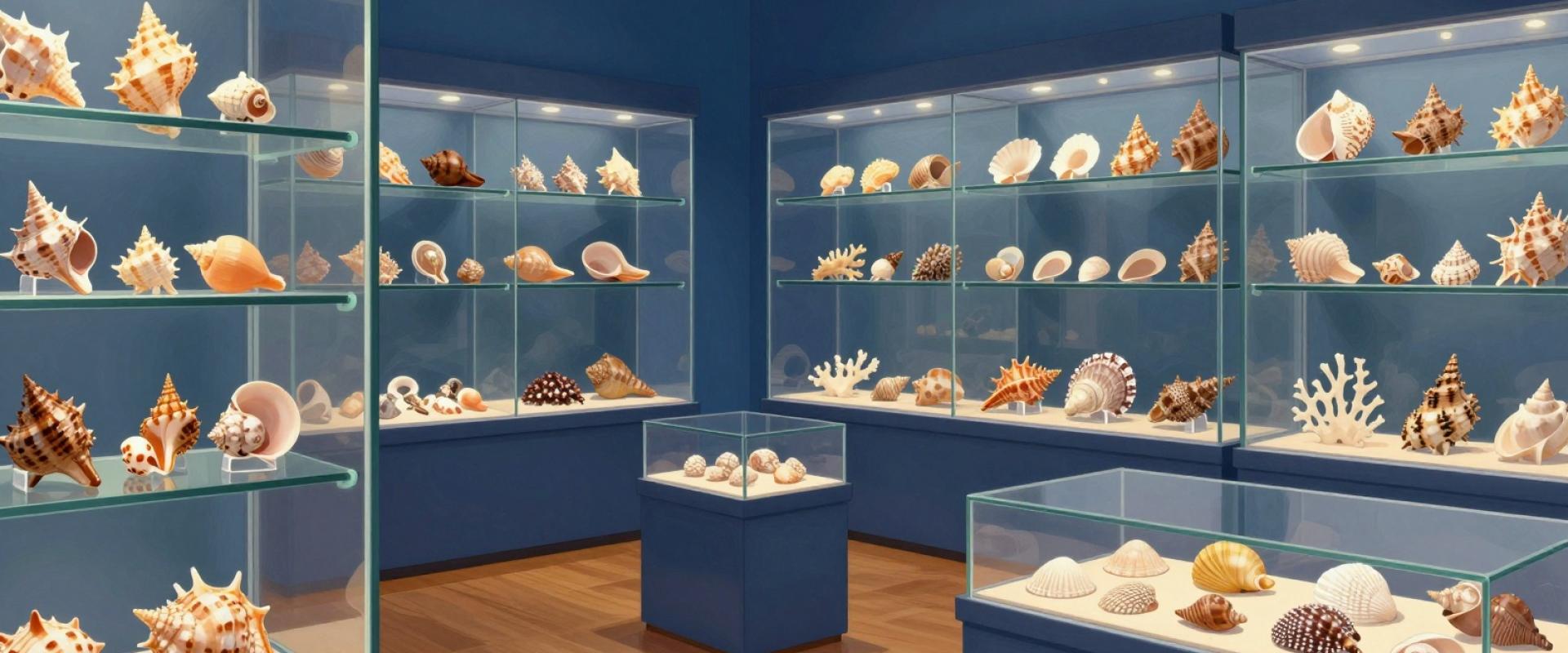
Shells are the hard outer coverings made by molluscs, a huge group of animals that includes snails, mussels, clams, oysters, whelks, cowries and squid. The animal builds its shell from calcium carbonate drawn from the water, adding material along the edge as it grows, which is why many shells show rings or spirals that record its life. The inner layer of some shells is pearly nacre, the material that gives mother-of-pearl its shimmer, and the shape, colour and pattern of a shell can tell experts the species, the habitat and sometimes the age of the animal. The museum shows this variety, with specimens from seas, rivers, lakes and even caves around the world, arranged to show the astonishing range of form from tiny spirals to massive spiral trumpets. Fossils connect the story to the deep past, since shells are among the most common fossils and are used by scientists to date rock.
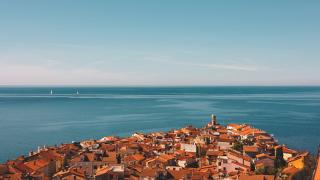
Human history is also on display. Shells have been used as tools, ornaments, musical instruments, dyes and money, and the cowrie shell in particular was used as currency in parts of Africa and Asia for centuries. Exhibits also show other creatures of the seabed, including crabs and starfish, and some displays focus on the life of the Adriatic, including the species found in the Gulf of Piran. Mussels and oysters are farmed in these waters, and the noble pen shell, a large native bivalve that has suffered heavily from disease in recent years, is an important sign of the sea's health. The museum places emphasis on nature conservation, and it encourages visitors, especially children, to think about why shells should be left where they are found.
The museum is small, so a visit takes around half an hour, and opening times vary with the season, so check locally. It is easy to combine with a walk through Piran. Nearby are St. George's Parish Church, the Medieval Walls, the Old Square and the narrow cobblestone streets of the old town.
It suits families, nature lovers and anyone who enjoys small, quirky museums. It is also a good option for a rainy day on the coast. Whether you are six or sixty, the shells are a pleasure. Inside, the cases are packed with colour, and Piran’s smallest museum is also one of Slovenia’s most original. Slovenian seas are modest, but the world of shells is vast.
Categories
More photos coming soon
Nearby Attractions
Other places to visit in Piran
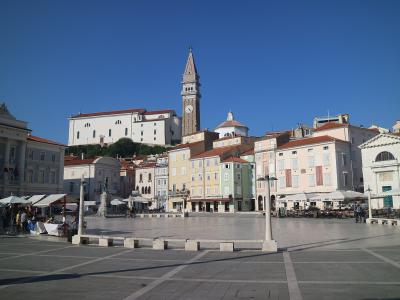
Tartinijev trg (Tartini Square)
Historic square with Tartini statue and Gothic house
Historic Towns · Monuments
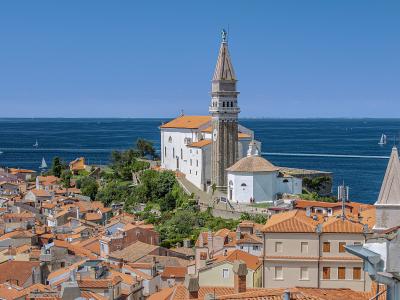
St. George's Parish Church
Venetian Renaissance church with St. Mark’s bell tower
Churches · Historic Towns
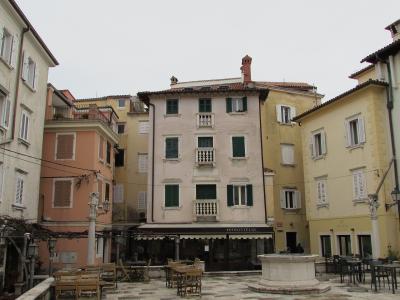
Old Square
Historic heart of Piran with Venetian architecture
Historic Districts · Historic Towns
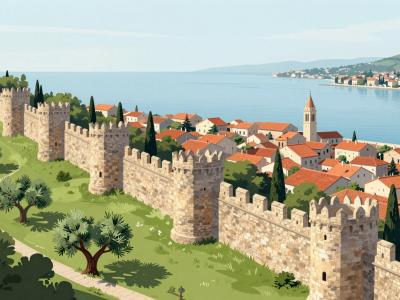
Medieval Walls
Medieval coastal walls guarding Piran’s heritage
History & Heritage · Urban Exploration
Questions people ask
Quick Facts
Best Time to Visit
April to October offers warm, sunny weather for sightseeing, beaches, and festivals; summer is lively, spring and autumn are mild and less crowded.
Book your stay