- Where
- Kamnik, Ljubljana & Central Slovenia
- Directions
- Directions
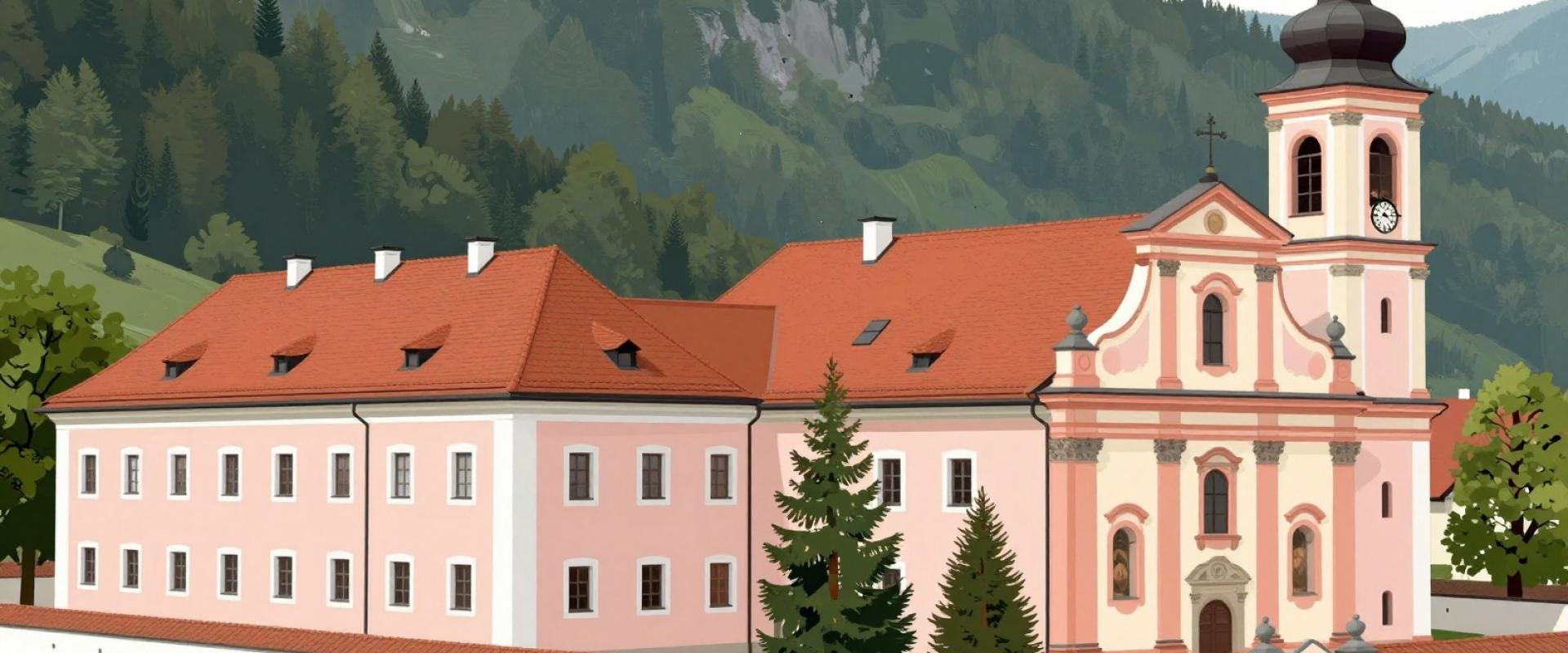
The Franciscan Library in Kamnik is one of the small but significant historic libraries of Slovenia, kept in the Franciscan monastery at the edge of the town centre. Franciscan monasteries in the Slovene lands were centres of learning for centuries, where friars studied, copied and collected books, and the library in Kamnik preserves a good example of this tradition. The collection includes early printed books, among them incunabula, the name for books printed before 1501, as well as a large body of works from the seventeenth and eighteenth centuries, mostly in theology, philosophy, history and the sciences.
The interest of such a library lies in more than individual treasures. Books in the collection reflect the intellectual life of the Baroque period, when monks in towns like Kamnik read widely in Latin, German and Slovene, and the way they were organised and catalogued tells a story about how knowledge was arranged. Slovene literature has a particular place in this story, because the earliest printed Slovene books were produced in the Protestant sixteenth century by writers such as Jurij Dalmatin, who translated the Bible, and monastic libraries preserved some of these rare works. The shelves, bindings and old catalogues give a sense of a working library that has changed little over generations.
The monastery itself is worth a visit. The Franciscan church, dedicated to St James, is a Baroque building with altars and paintings, and the monastery complex includes cloisters and chapels. The Franciscans came to Kamnik in the late Middle Ages, and the monastery has remained an important place of worship and community life in the town. Slovene architect Jože Plečnik worked on several projects in this area of Slovenia in the twentieth century, and visitors interested in his work may wish to ask about connections with the monastery, as well as the Chapel of the Holy Sepulchre and the artist Stane Cuderman.
Access to the library is not like that to a regular museum. It is a working monastic library, so visits are usually by prior arrangement with the monastery, and visitors should contact the friars before travelling to Kamnik. When you go, take time to see the rest of the old town: Šutna Street, the Sadnikar Museum and the Parish Church of Mary Immaculate are all close by, and the Walking Tours (Kamnik) give a good introduction to the town's history. The Birthplace of Rudolf Maister is another nearby stop.
Categories
More photos coming soon
Nearby Attractions
Other places to visit in Kamnik
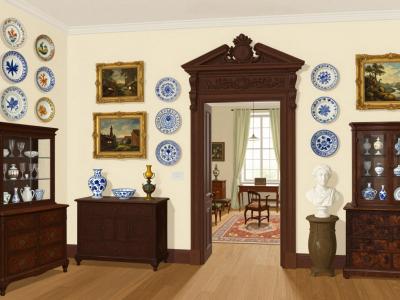
Sadnikar Museum
Slovenia’s first private museum with 1,500+ artifacts
Historic Houses · Museums
BEER WAY Kamnik Craft Brewery
Craft beer tour through Kamnik’s top microbreweries
Culinary Tours · Guided Tours
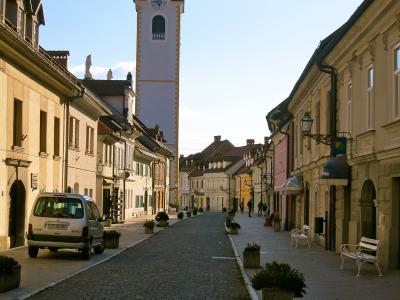
Šutna Street
Historic street with Gothic spire and Maister’s birthplace
Artisan Workshops · Historic Districts
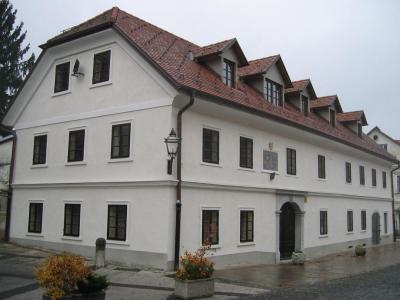
Birthplace of Rudolf Maister
Birthplace of General Rudolf Maister in Kamnik
Historic Houses · Museums
Questions people ask
Quick Facts
Best Time to Visit
Mid-June to early September offers warm weather for hiking, festivals, and sightseeing; spring and autumn are mild and scenic, winter is ideal for snow sports.
Book your stay