- Where
- Kropa, Gorenjska
- Directions
- Directions
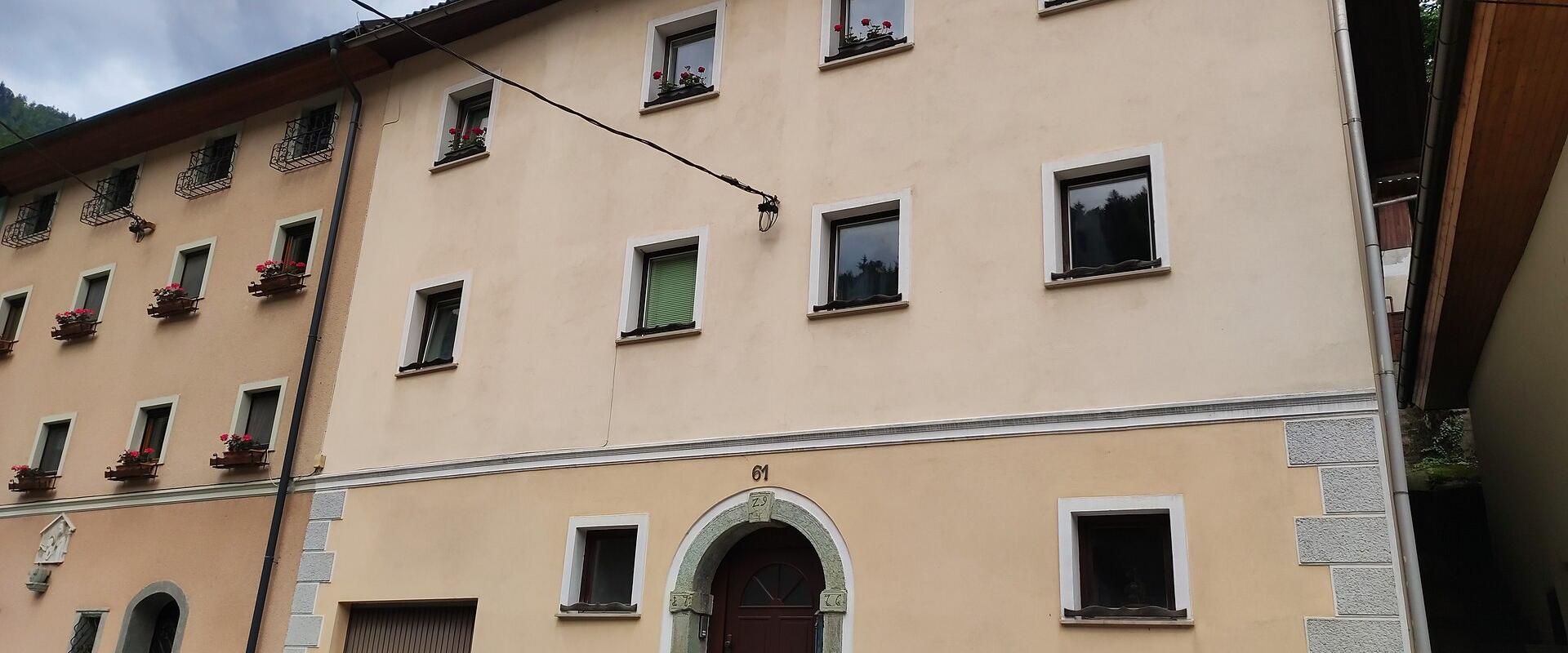
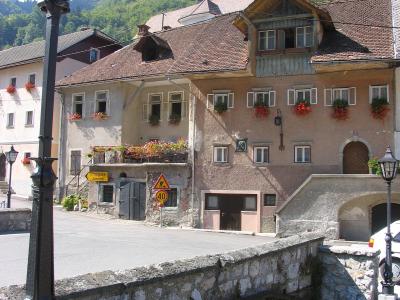
Kropa is a small village in a narrow, wooded valley in Gorenjska, near Radovljica, and for centuries it was one of the most important ironworking places in the Slovenian lands. The Kroparica stream tumbles down through the village, and its water powered hammers, bellows and forges that turned iron from local ore into nails, tools, chains and decorative metalwork. The Kropa nails were famous across the region, and the village gradually developed a skilled community of blacksmiths and nailmakers whose way of life shaped the place, from the narrow lanes to the tightly packed houses along the stream. The Fovšaritnica Museum House is one of the best ways to understand what that life was like.
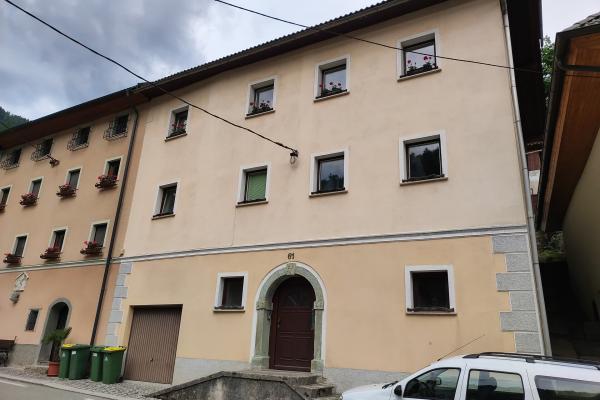
The Fovšaritnica was a house inhabited by several ironworking families, a type of communal dwelling that was common in Kropa because land was scarce and the industry employed so many people. The museum has preserved the original layout of the house, so that visitors can see how the space was divided. Instead of separate houses, each family lived in its own small section, with shared entrances and stairs and a degree of closeness that meant everyone knew everyone else's business, which gives a sense of the tight community of the old ironworking village. Living areas were small, furniture was plain and practical, and the rooms were heated by a stove that served the whole household. The upper floors now display an ethnological collection of furniture, tools, clothing and everyday objects that illustrate the daily routines of the families, from cooking and sleeping to the work that went on in the nearby forges.
For many of the families, the day was dominated by the sound of hammers from the forges in the valley, and the house is a reminder that industrial work was a family and village affair, with children often working alongside parents as soon as they were able. The museum helps to explain the social side of the industry, the cooperation and rivalry between families, the guilds and the seasonal rhythms of work, and the fortunes of a village that depended on one craft.
The house is a smaller museum and is usually visited by prior arrangement, so contact the local tourist office or the museum before you go. It is best seen together with the other sites in the village. The Iron Forging Museum covers the technical side of the industry, and the Vigenjc Vice Nail Forge shows a historic forge with its water-driven hammer. A walk along the Kroparica stream passes old workshops and stone houses.
It suits history lovers, families with older children and anyone interested in industrial and social heritage. Allow an hour for the house and more for the village. Inside, the narrow rooms speak loudly of the community. Kropa’s story is one of the best in Slovenia’s industrial heritage, and Slovenia has few such complete ironworking villages.
Categories
More photos coming soon
Nearby Attractions
Other places to visit in Kropa
Questions people ask
Quick Facts
Best Time to Visit
May to June and September to October offer mild weather, vibrant scenery, and ideal conditions for exploring Kropa’s history and hiking trails.
Book your stay