1-day itinerary
Discovering Pokljuka
One-day exploration of Pokljuka Plateau and Triglav National Park
- Length
- 1 day · 6 sights
- Pace
- Easy
- Estimated cost
- €60 per person
- Based in
- Pokljuka
Day by day
-
Day 1: Discovering Pokljuka: Nature, Culture, and Peaks
A comprehensive day exploring the Pokljuka Plateau, starting with the unique wetlands, enjoying local dairy products, hiking to panoramic viewpoints, and experiencing the world-famous biathlon stadium.
-
09:00
Explore the Swamps and Marshes of Pokljuka
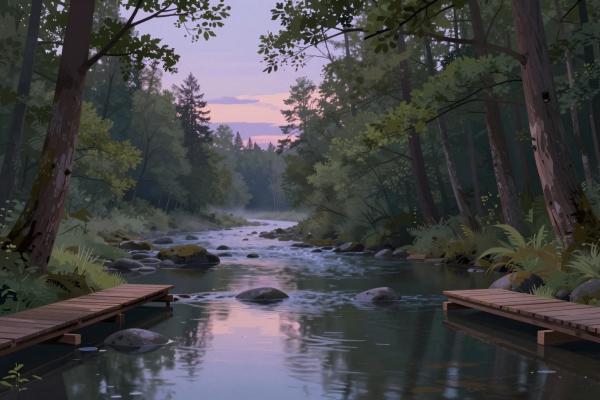
Begin your day at the southernmost high peat bogs in Europe. Walk along the wooden boardwalks through the misty, serene wetlands. This is a prime spot for birdwatching and photography, offering a quiet start to your adventure in Triglav National Park.
About 1.5 hours
-
10:30
Taste Local Cheese and Dairy
Visit local farmers' stalls or small shops on the plateau to sample traditional mountain cheese and dairy products. Pokljuka is famous for its high-quality dairy, and this is a perfect opportunity to buy souvenirs and taste authentic flavors.
About 60 min
-
11:40
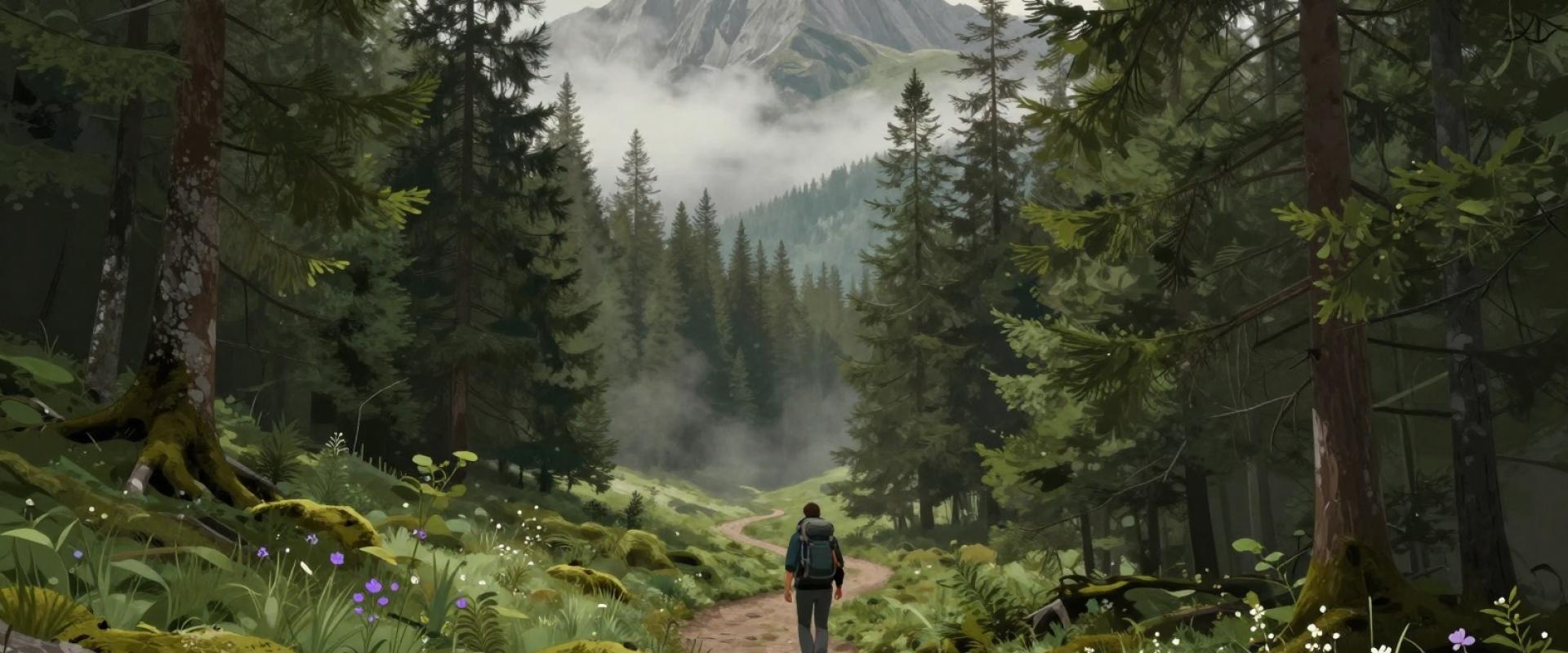
Take a moderate hike to Vodnikov Lookout. From this vantage point, you will enjoy panoramic views of the Bohinj valleys and Lake Bohinj. The trail offers a good mix of forest walking and open alpine scenery, rewarding you with breathtaking vistas.
About 2 hours
-
13:40
Lunch at Hotel Center Pokljuka
Enjoy a hearty lunch at the lakeside Hotel Center Pokljuka. The restaurant offers traditional Slovenian mountain cuisine with a view of the surrounding ski trails and forest. It's a cozy spot to rest and refuel.
About 60 min
-
15:00
Explore the world-famous biathlon stadium, a key venue for international competitions in Triglav Park. Even if no event is happening, you can walk the track, see the shooting ranges, and learn about the history of winter sports in Slovenia.
About 1.5 hours
-
16:30
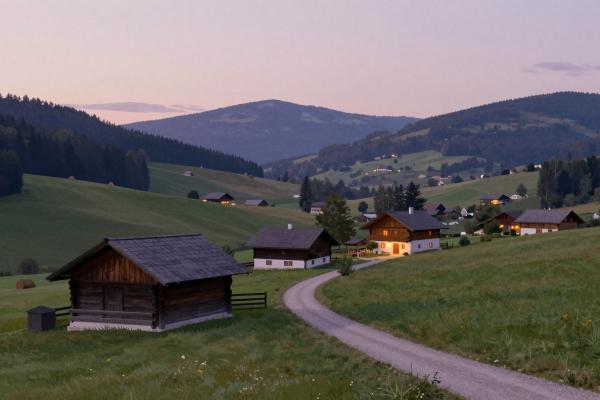
End your day with a gentle stroll around Planina Zajamniki. This alpine plateau is characterized by its beautiful spruce forests and open mountain views. It's a peaceful area for a final walk, reflecting on the day's experiences amidst nature.
About 2 hours
- Meals:
- Lunch at Hotel Center Pokljuka Restaurant
- Where to stay:
- Stay at Hotel Center Pokljuka or Hotel Pokljuka for easy access to the plateau. Hotel Center offers a lakeside setting, while Hotel Pokljuka is family-friendly and centrally located.
- Getting around:
- A car is highly recommended to navigate between the scattered attractions on the plateau. Parking is generally available at major sites. Public transport is limited and infrequent.
-
09:00
Practical information
Questions people ask
Book your stay