- Where
- Pokljuka, Bled & Bohinj
- Directions
- Directions
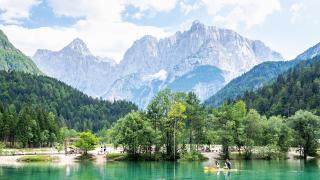
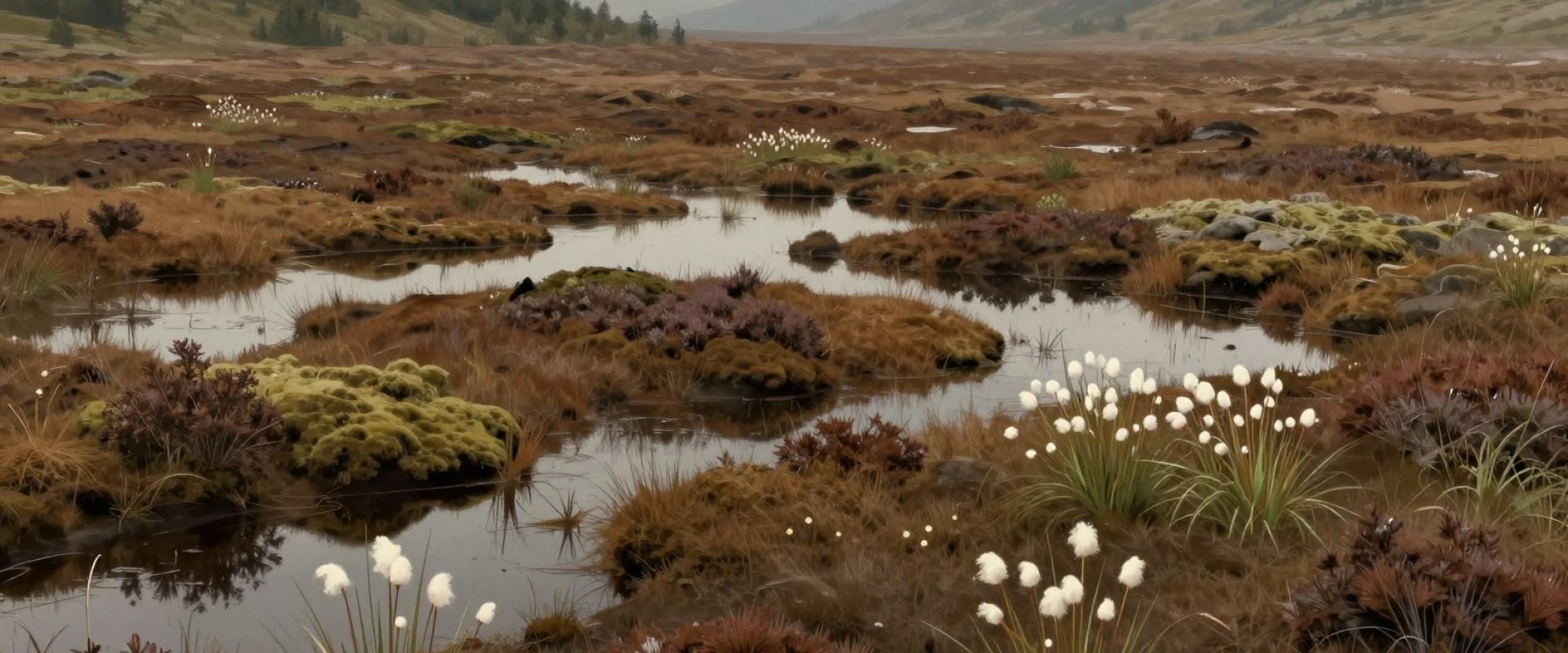
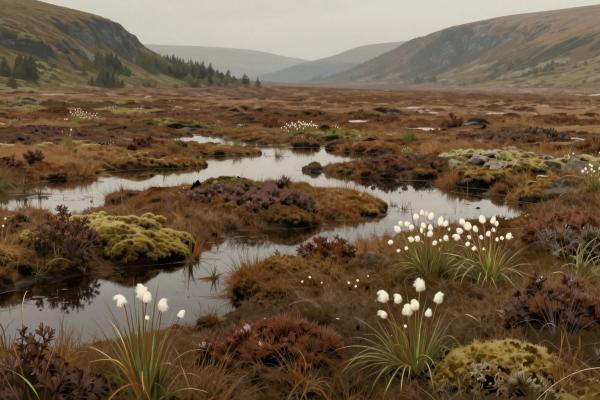
Pokljuka is a high forested plateau in the Julian Alps, within Triglav National Park, between the Bled and Bohinj basins to the south and the Radovna valley to the north. At roughly 1,200 metres it is a landscape of spruce forest, open pastures and small peat bogs, and the bogs are among Slovenia's most valuable ecological treasures. They are raised peat bogs, formed over thousands of years where cold, wet conditions slowed decay and let moss build up layer upon layer, and they are among the southernmost bogs of this type in Europe.
The key plant is sphagnum, the moss that holds water and builds the bog. Around it grow cotton grass, sundews that catch insects on sticky leaves, cranberries, dwarf pines and other species adapted to acidic, nutrient-poor ground. The wet pools and hollows shelter dragonflies and amphibians, while the surrounding forests are home to birds such as the capercaillie, a shy grouse that depends on old spruce woods, along with deer, chamois and in the wider area brown bears. The bogs are fragile, so the paths and boardwalks that cross them should be followed closely, and picking plants is not allowed.
A network of hiking and cycling routes crosses the plateau. Short walks suit families, and longer routes link the bogs with the pastures and viewpoints. The Vodnikov lookout, a tower with views over the plateau and across to Triglav and the Julian Alps, is a favourite destination. Planina Zajamniki, an alpine pasture where herders spend the summer, is another popular goal, and local farmers there sell cheese and other dairy products, a good way to taste the region.
Pokljuka is also known as a winter sports centre. The biathlon centre at Rudno polje hosts World Cup races and has staged world championships, and the cross-country ski trails are among the best in the country. The same snow cover that draws skiers protects the bogs in the cold months, and in summer the area is a quiet green plateau. Hotels and mountain huts on the plateau, including Hotel Pokljuka and Hotel Center Pokljuka, offer places to stay and eat.
The bogs suit walkers, naturalists, photographers and families who want an easy mountain outing. Late spring and early summer bring wildflowers, autumn brings colour and mist, and clear days give far views. Weather on the plateau changes quickly, so bring warm layers and waterproofs, and check trail conditions locally before setting out.
Categories
More photos coming soon
Nearby Attractions
Other places to visit in Pokljuka
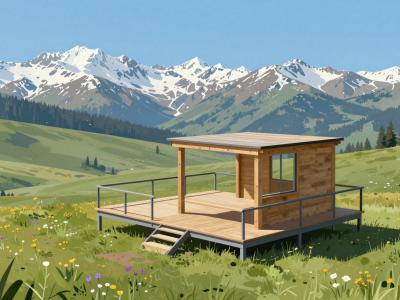
Vodnikov Lookout
Panoramic views of Bohinj valleys and lake
Natural Wonders · Hiking Trails
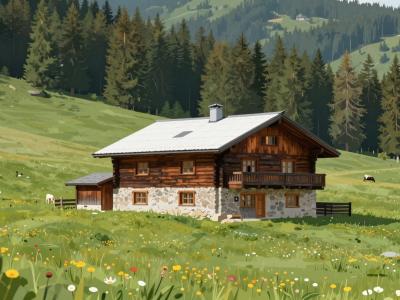
Zalin planinski raj
Alpine retreat on Pokljuka Plateau, Slovenia
Hiking Trails · Mountains
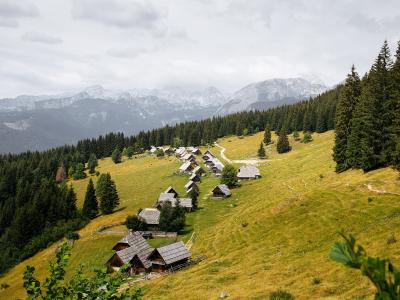
Planina Zajamniki
Alpine plateau with spruce forests and mountain views
Activities & Adventure · History & Heritage
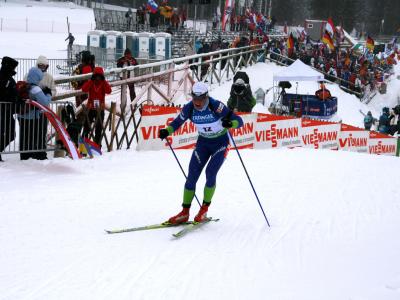
World-famous biathlon competition
World-class biathlon in Slovenia’s Triglav Park
Festivals · National Parks
Questions people ask
Quick Facts
Best Time to Visit
June to September is best for hiking and cycling; December to March offers excellent cross-country skiing and winter sports in snowy forests.
Book your stay