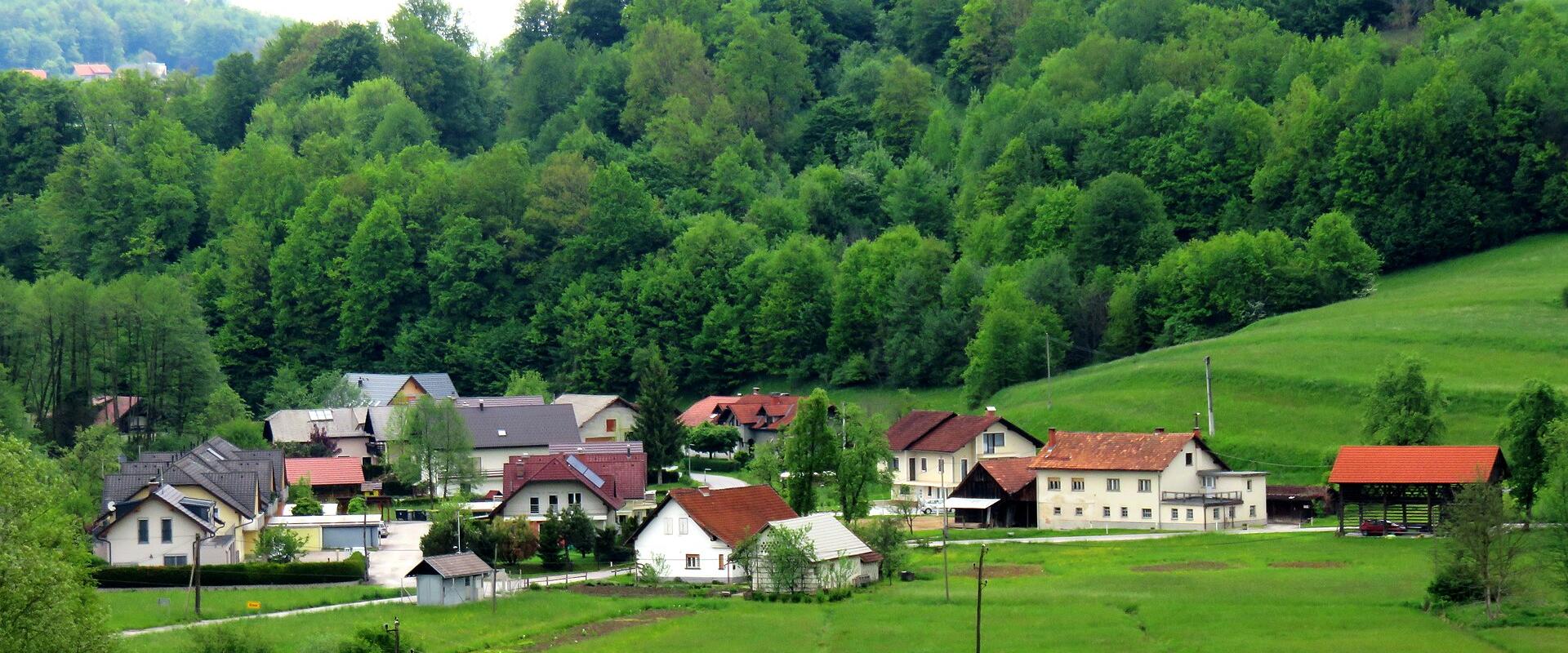
Škofljica
Suburban village with hiking, cycling, and historic church
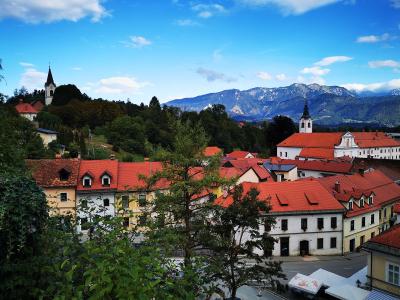
Škofljica sits on the southern edge of Ljubljana, where the urban sprawl thins out and the land begins to rise toward the hills of Dolenjska. Its name is usually linked to the word for bishop, a reminder that church lords once held land in this part of Carniola. For centuries the settlement was a farming village, and the older houses, orchards and field patterns still show through between the newer homes built by people who commute to the capital. Škofljica’s community has kept its local identity despite the growth, with a parish, volunteer groups and village events that tie old and new residents together.
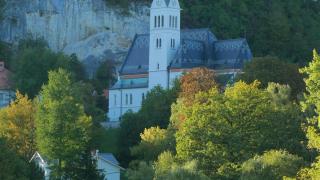
The Church of St. Simon and Jude is the village’s best-known landmark. It is associated with frescoes by Janez of Ljubljana, one of the notable painters of the Slovenian late Gothic, and it remains the focal point of parish life. A visit is mostly about the setting: a small hilltop church, a churchyard, and quiet views over the surrounding fields. Parking is easy nearby, and the church is a natural starting point for a short walk through the village.
The wider landscape is what makes Škofljica more than a commuter suburb. To the north and west lies the Ljubljana Marshes, a flat mosaic of wet meadows, drainage channels and hedgerows that is a protected landscape and a good place for birdwatching and cycling. The marshes are also where archaeologists have found remnants of prehistoric lake dwellings, and the area around Škofljica is associated with Iron Age settlements and ancient crannogs. Little of this is visible on the surface, so it helps to read about it before you go. The UNESCO-listed pile dwellings of the marshes are explained in Ljubljana’s museums, which display finds including some of the oldest wooden wheel remains ever discovered.
Closer to the village, a former quarry has become Slovenian Quarry Lake, a calm patch of water that locals use for walks and quiet afternoons. A monument to the National Liberation Struggle recalls the village’s losses during the Second World War, and similar memorials appear across the municipality. Hiking and cycling routes lead through forest and meadow toward neighbouring settlements, and the gentle terrain makes them suitable for children and casual walkers. Local stables in the area offer horse riding, and village events and markets bring out the community during the warmer months.
Food here is simple and regional. Village inns and cafés serve Slovenian staples such as štruklji, potica, sausages and soups, usually with local wine from the Dolenjska hills. Expect relaxed service, modest portions of traditional cooking, and a few homemade pastries on sale at community events.
Getting there is straightforward. Ljubljana is roughly ten kilometres away by road, and public buses and trains serve the area. The village is compact enough to explore on foot or by bike, and a car is only really needed if you want to combine Škofljica with day trips. With Postojna Cave, Lake Bled and the Kamnik-Savinja Alps all reachable in a day, the village is a calm and inexpensive base compared with staying in the city centre. It also fits a longer itinerary as an overnight stop for those who prefer Slovenia’s quieter corners to the busy capital.
The best time to visit is from mid-June to early September, when the weather is warm and the trails are dry. Spring and autumn are mild and scenic, with blossom in April and golden light on the marshes in October, while summer brings the busiest calendar of local events. Winter is quiet, and the marshes can be foggy, which suits photographers more than hikers.
A stop in Škofljica also fits neatly into a wider tour of Slovenia, since the village lies on the road and rail line toward Dolenjska and Bela krajina.
Best time to visit
Mid-June to early September offers warm weather for hiking, cycling, and outdoor activities; spring and autumn are mild and scenic, summer is lively.
What to see in Škofljica
Our picks first.
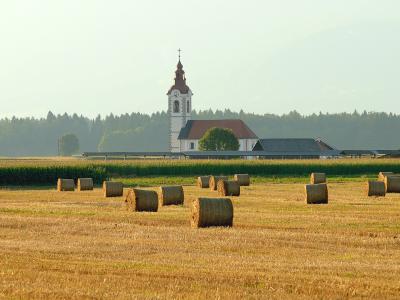
Church of St. Simon and Jude
Historic parish church in Škofljica, Slovenia
History & Heritage · Churches
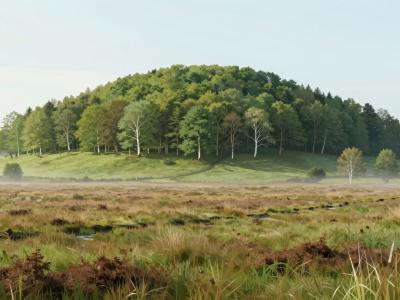
Remnants of Iron Age settlements and ancient crannogs
Iron Age settlements and ancient crannogs in Škofljica
Cultural Experiences · History & Heritage
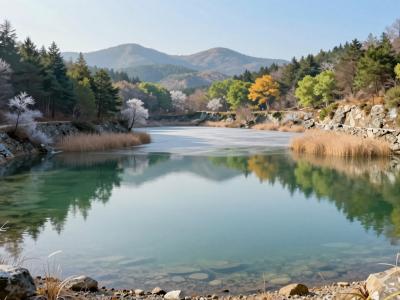
Slovenian Quarry Lake
Quarry lake with seasonal swimming and ice skating
Hiking Trails · Lakes & Rivers
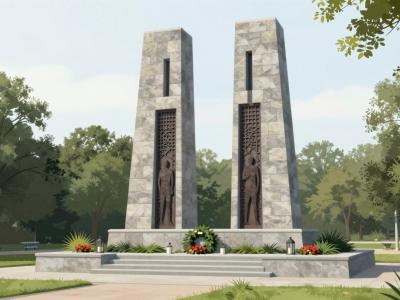
NLS monument Škofljica
Monument honoring Škofljica’s WWII sacrifices
Historic Towns · Monuments
Škofljica by interest
The same sights, grouped by what you came for.
Planning a visit to Škofljica
Itineraries that include Škofljica
Good to know
- Currency
- EUR
- Language
- Slovene
Quick Facts
Book your stay

Questions people ask
More places in Ljubljana & Central Slovenia
Ljubljana & Central Slovenia
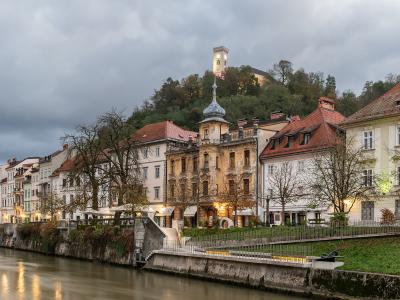
Ljubljana
Charming capital with riverside old town and castle views
Ljubljana & Central Slovenia
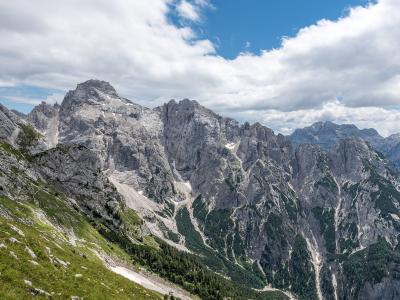
Triglav
Slovenia’s highest peak and centerpiece of national park
Ljubljana & Central Slovenia
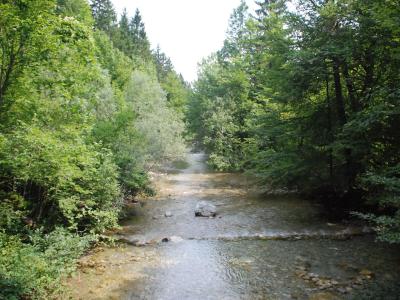
Iški Vintgar
Dramatic river gorge with crystal-clear pools and trails
Ljubljana & Central Slovenia
Kamnik
Medieval town with castles, Alps, and artisan streets