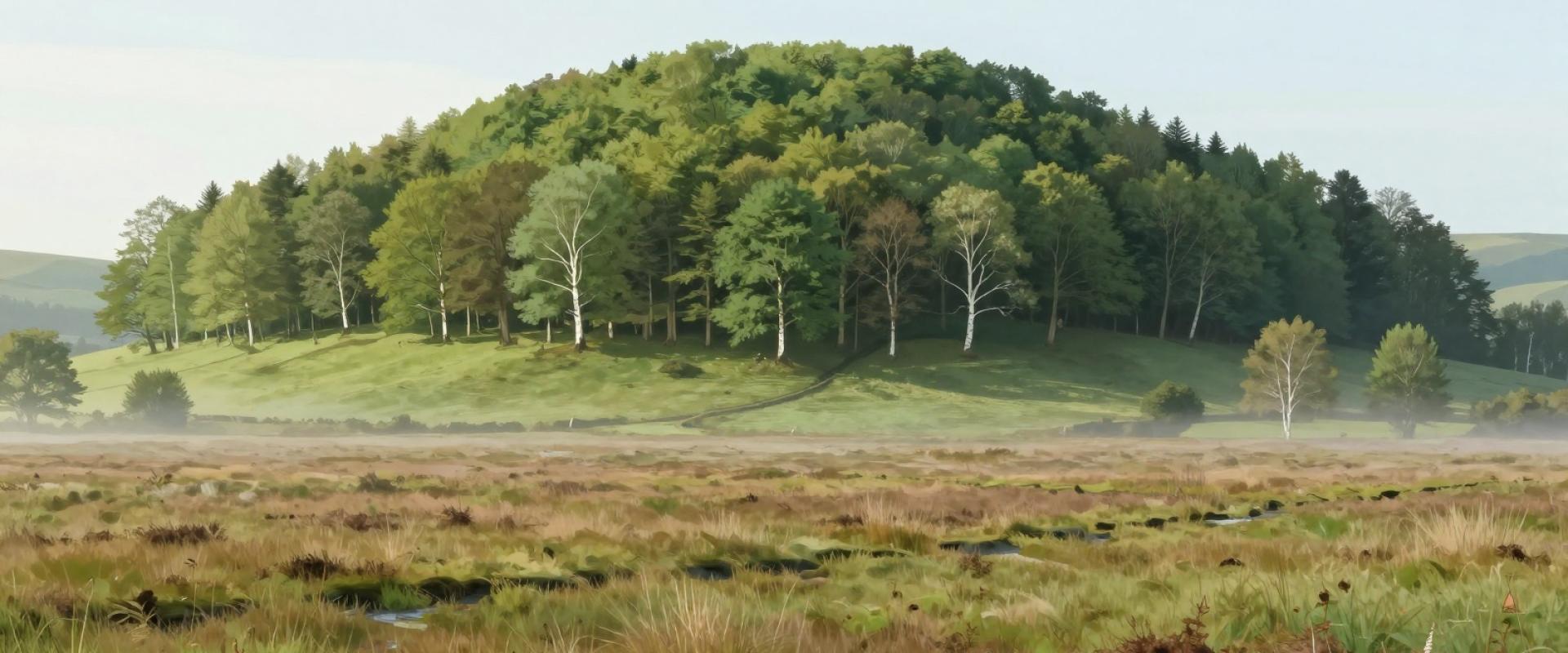
Remnants of Iron Age settlements and ancient crannogs
Iron Age settlements and ancient crannogs in Škofljica
- Where
- Škofljica, Ljubljana & Central Slovenia
- Directions
- Directions
Škofljica is a small town on the southern edge of Ljubljana, where the plain of the Ljubljana Marsh meets the first low hills of Lower Carniola. The marsh is one of the most important prehistoric landscapes in Slovenia. In the Copper Age, around five thousand years ago, communities built houses on stilts and platforms at the edge of the shallow lakes and wetlands that then covered the area, and their remains have survived in the waterlogged ground. The wider region is part of a group of prehistoric pile-dwelling sites around the Alps that are recognised by UNESCO, and the marsh is also where one of the oldest known wooden wheels with an axle in the world was discovered, an object now on display in Ljubljana.
The lake dwellings of the marsh are sometimes compared to the artificial island houses of the British Isles known as crannogs, which is the term used locally for several of the sites near Škofljica. These were settlements on wooden foundations in a landscape of water and reeds, and the people who lived in them fished, hunted, farmed and kept animals, using tools of stone, bone and, later, copper. Because the timbers were preserved in the wet ground, researchers have been able to date them very precisely by tree rings. Visitors should not expect to see buildings: the remains are mostly underground or covered by vegetation, and the experience is of a landscape rich in history, supported by finds in museums.
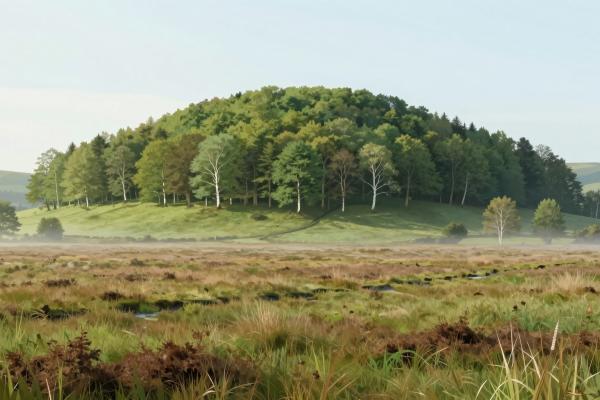
Iron Age history is also present in the area. The hill known as Molnik, rising above the marsh, is associated with a settlement of the Hallstatt period, a time when local chiefs controlled trade routes across the region and were buried with weapons and fine metalwork. Finds from sites such as this have helped archaeologists understand the early culture of Carniola, and the name Hallstatt itself comes from an Austrian site that gave the period its name. Walking on the hill gives a sense of how defensible and commanding the position was.
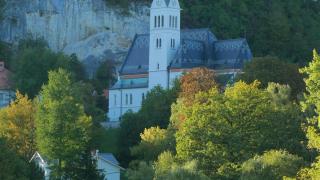
The network of hiking and cycling routes across the marsh makes it easy to explore. Flat paths and embankments pass through meadows and canals, and the open sky and the view of the Alps beyond make the landscape pleasant even without visible ruins. In Škofljica itself, the Church of St. Simon and Jude is a local landmark, and there is an NLS monument that recalls the Second World War, while the nearby Slovenian Quarry Lake offers a place for a break. Combine a walk with a visit to the Ljubljana city museum to see the finds.
Categories
More photos coming soon
Nearby Attractions
Other places to visit in Škofljica
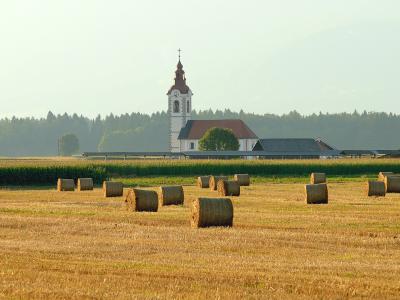
Church of St. Simon and Jude
Historic parish church in Škofljica, Slovenia
History & Heritage · Churches
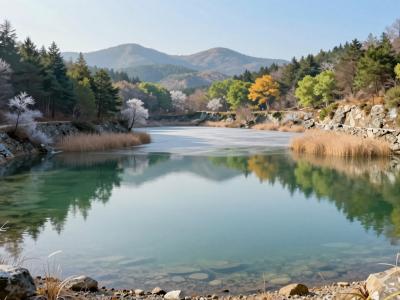
Slovenian Quarry Lake
Quarry lake with seasonal swimming and ice skating
Hiking Trails · Lakes & Rivers
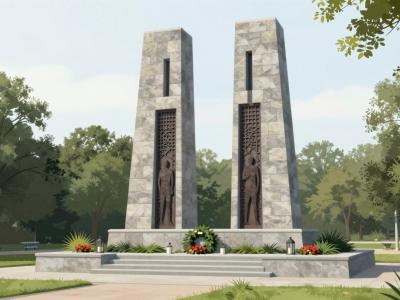
NLS monument Škofljica
Monument honoring Škofljica’s WWII sacrifices
Historic Towns · Monuments
Questions people ask
Quick Facts
Best Time to Visit
Mid-June to early September offers warm weather for hiking, cycling, and outdoor activities; spring and autumn are mild and scenic, summer is lively.
Book your stay