

The valley in brief
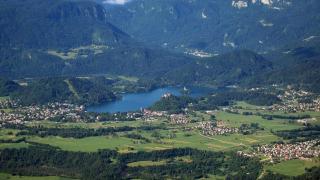
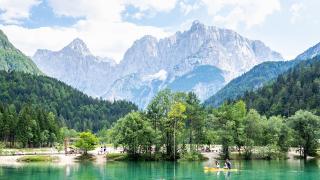
The Vipava Valley (Vipavska dolina) runs west from Podnanos, below the Nanos plateau, along the Vipava river to the Italian border near Gorizia. Its two main towns are Vipava and Ajdovščina. To the north it is closed off by the wall of the Trnovo Forest plateau, to the south by the Karst. That geography gives it a sub-Mediterranean climate, warm enough for vines, figs and cherries, but open to one of Europe's strongest winds.
It is about an hour's drive from Ljubljana on the motorway towards the coast, which makes it an easy day trip, though a night or two lets you visit cellars without worrying about driving.
Why go in autumn
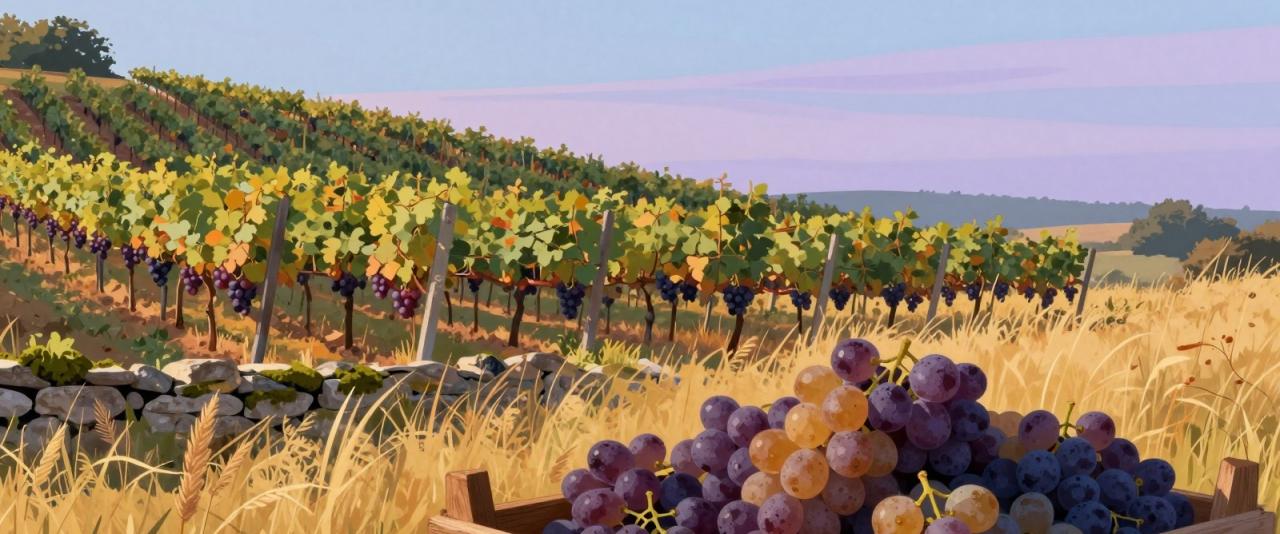
Autumn is when the valley's main business is most visible. The grape harvest (trgatev) usually runs from September into October, depending on the year and the variety, with early-ripening whites picked first. Hillsides are busy with pickers, tractors haul crates to the cellars, and many family wineries and farm stays offer harvest-time visits. The regional tourist board describes guided harvest-season tours to family farms and wineries; these are arranged with local guides or through the tourist information centres, so book ahead rather than turning up.
Late autumn brings the second highlight. From early November, when the new wine is ready, the valley and the neighbouring Goriška region go through a season of cellar visits that carries on until Christmas. The fixed date in the calendar is St Martin's Day on 11 November, celebrated across Slovenia as the day the must "turns into wine". Expect martinovanje dinners with roast goose or duck, mlinci and red cabbage, and new wine. Individual villages and wineries organise their own events, which change from year to year; the tourist information centres in Vipava and Ajdovščina can tell you what is on.
What the valley grows
The Vipava Valley is mainly a white wine region. Alongside international varieties such as Chardonnay, Sauvignon Blanc and Malvazija, look for two native grapes found almost nowhere else:
- Zelen – an aromatic white with herbal notes, closely associated with the valley.
- Pinela – a lighter, fresh white, also local to the area.
Red wines include Merlot, Barbera and Cabernet Sauvignon. Many producers also make skin-contact (orange) whites. The valley's other autumn produce includes persimmons, chestnuts and late figs, and the local air-dried ham and cheeses from the surrounding plateaus are standard partners at tastings.
Villages worth a stop
Vipava. The town grew up around the springs of the Vipava river, which rise at the foot of Nanos in several places right in the town. The Wine Museum is in the vaulted cellar of the Baroque Lanthieri mansion on the main square, and the tourist information centre is in the centre.
Vipavski Križ. A small walled hilltop settlement above Ajdovščina, with a Capuchin monastery known for its extensive library. It is a short climb from the valley floor and has good views over the vineyards.
Goče. A village in the Vipava hills known for its many vaulted stone cellars. Historically it supplied wine to the Viennese court and the port of Trieste. Vipava's tourist office has offered a half-day programme here in which visitors help with vineyard or cellar work and then taste at several cellars.
Ajdovščina. The valley's largest town, built on the site of a Roman fort whose walls and towers are still partly visible. It is the practical base for food shops, fuel and accommodation.
The bora (burja)
The Vipava Valley is known across Slovenia for the bora (burja), a cold north-easterly wind that pours down from the plateaus, especially in the cold half of the year. Gusts can exceed 200 km/h, strong enough to close roads to high-sided vehicles, uproot trees and damage roofs. Old houses have small windows on the windward side and stones on the roof tiles, and some trees grow bent with lopsided crowns.
For visitors in autumn this matters in practical ways. On bora days, cycling and hiking on exposed ridges is unpleasant or unsafe, and high-sided vehicles and caravans may face restrictions on the main road and motorway. Check the weather forecast and traffic information before driving; on calm, clear days after a bora the views across the valley are usually at their sharpest.
Planning your visit
- Book cellar visits in advance. Most wineries are family businesses and do not keep regular opening hours, especially during harvest when everyone is working.
- Arrange a driver, a guided tour or accommodation within walking distance if you plan to taste at several cellars.
- Cycling is a good way to move between villages on calm days; the valley floor is gentle, the hills less so.
- If you want to see the harvest, aim for mid-September to mid-October; for new wine and St Martin's dinners, early to mid-November.