



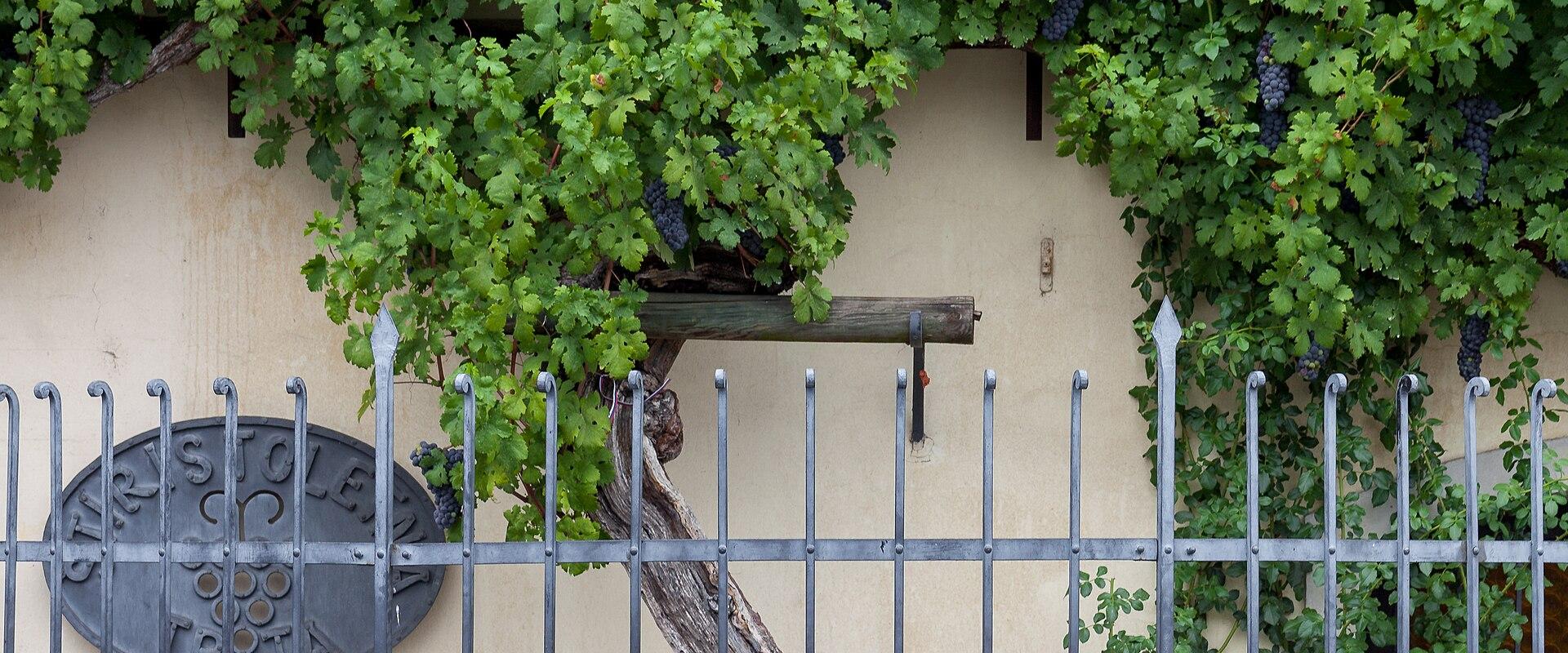
World’s Oldest Grapevine (House Of The Oldest Vine)
450-year-old Žametovka vine in a historic museum
- Admission
- €24 for 3+1 group
- €9 per adult in group of 10
- Where
- Maribor, Maribor & Pohorje
- Directions
- Directions
The vine that grows on the front of a house in the Lent district of Maribor is a plant of the variety called Žametovka, known in the local dialect as modra kavčina, and it is recognised as the oldest vine in the world that still produces grapes. It is more than four centuries old, and according to tradition, it was planted in the sixteenth century, at a time when the town was under threat from Ottoman raids and its walls and towers were being strengthened. The house against which it grows was part of the medieval city wall, which gives the whole scene a historical depth, with the thick old trunk twisting up the stone facade and the branches spread out over a trellis.
The vine is a survivor. It lived through sieges and wars, floods of the Drava, frosts and droughts, and, in the second half of the nineteenth century, the vine disease phylloxera, a pest that arrived from North America and devastated vineyards across Europe, killing most of the old vines. Why this one escaped is not fully known, but the vine's position in the town, away from the main vineyards, probably helped. Today, it is cared for by specialists, who prune and tend it according to a careful routine, and each year it produces a small crop, usually harvested in September or October, from which only a small amount of wine is made. The wine is given as a gift to distinguished visitors and is not sold in the ordinary way.
The house has been turned into a museum, in which the story of the vine and of winegrowing in the region is told. Visitors learn about the history of the plant, the techniques used to keep it alive, the traditions of the city's winegrowers and the customs connected with the harvest, and there is a tasting area where wines of the region can be sampled. The vine has become a symbol of Maribor, with its own festival, its own anthem and ceremonies that mark the year, including the pruning in winter and the harvest festival in autumn, and cuttings from it have been planted in other cities around the world as a gesture of friendship. The museum offers different ticket arrangements, with group rates and free entry for holders of certain professional cards, and it is wise to check the details before visiting.
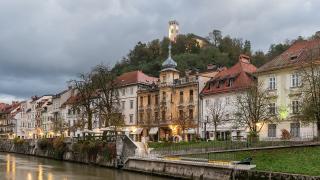
The house is in the old river quarter, close to the Water Tower, the Judgement Tower and the Drava River Promenade, and a visit combines naturally with a walk along the water. Beautiful architecture, Maribor Castle, the Maribor Art Gallery, Freedom Square Maribor and Calvary Hill (Kalvarija) are all within walking distance, and local cafes and restaurants offer a place for a meal. The best time to see the vine in full leaf is from May to October, with the grapes ripening in late summer.
Categories
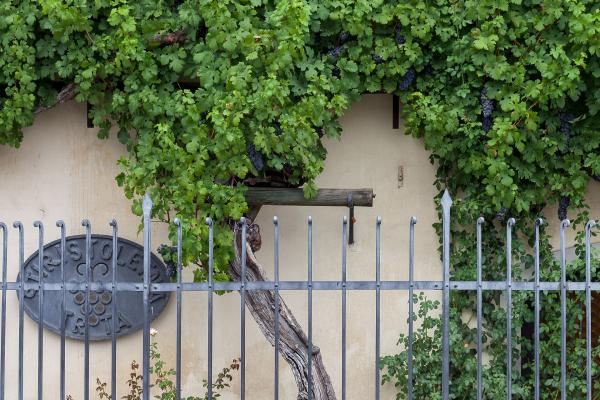
More photos coming soon
Admission Fees
- Admission
- €24 for 3+1 group; €9 per adult in group of 10
Hours and prices change, especially out of season. Check with the venue before you go.
Nearby Attractions
Other places to visit in Maribor
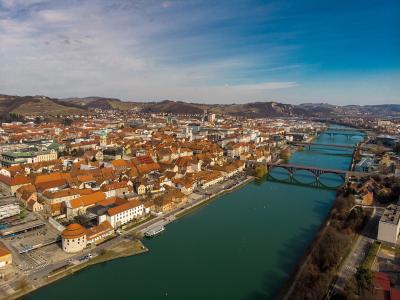
Lent district
Home of the world’s oldest grapevine and riverfront heritage
Historic Districts · Historic Towns
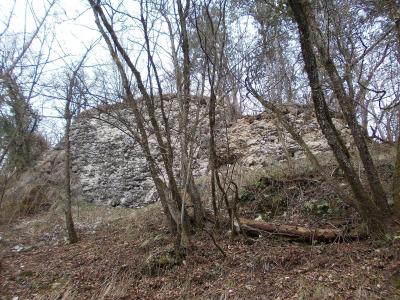
Historic Sites
Historic castles and riverside heritage sites
Food & Gastronomy · History & Heritage
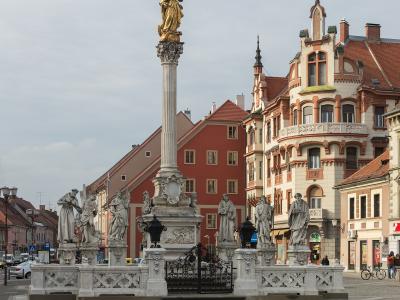
Plague Column (Kužno znamenje)
Baroque plague monument with Virgin Mary statue
Historic Towns · Monuments
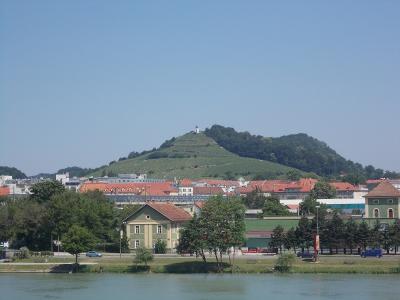
Pyramid Hill (Piramida)
Hilltop pyramid ruins with city and vineyard views
Hiking Trails · Hills & Valleys
Questions people ask
Quick Facts
€24 for 3+1 group
€9 per adult in group of 10.
Best Time to Visit
May to September offers warm weather for festivals, wine events, and outdoor activities; spring and autumn are mild and less crowded, winter is best for skiing.
Book your stay