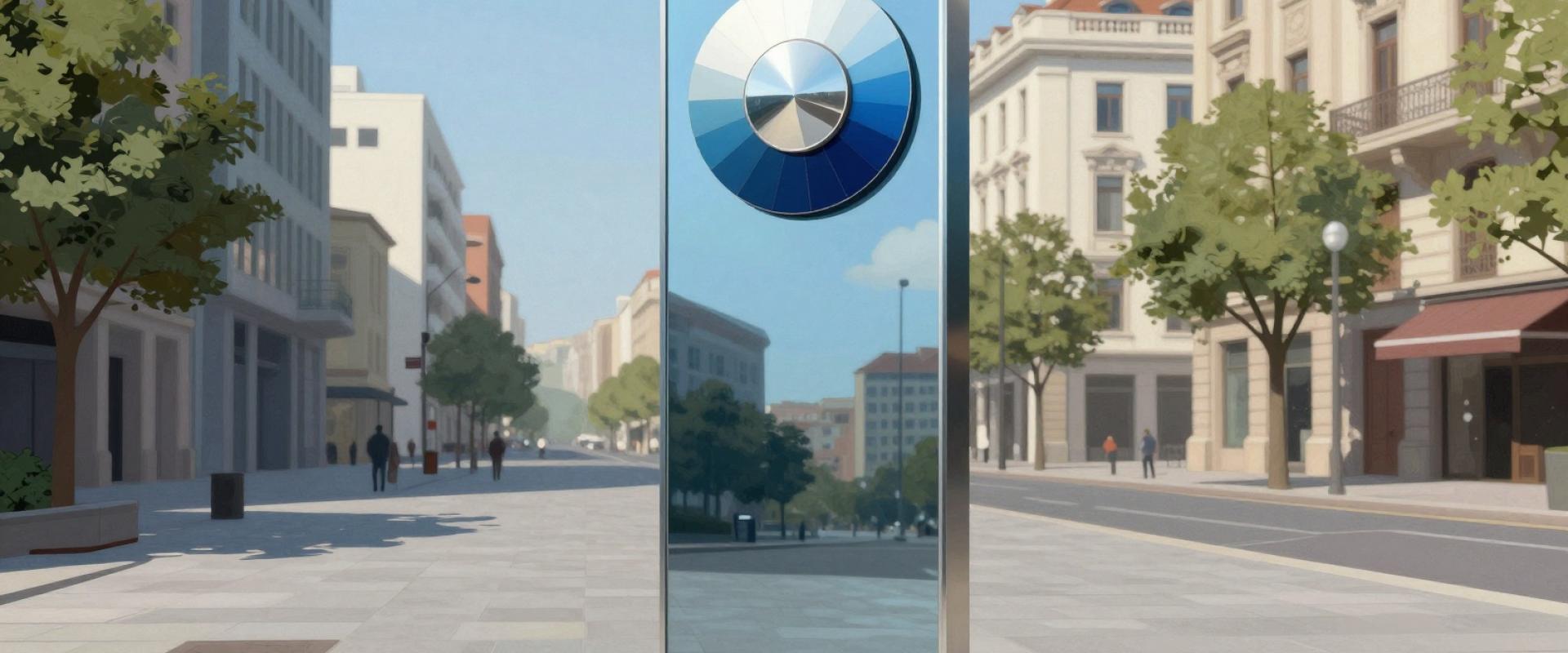
Monolithic Sculpture By Martin Bricelj Baraga
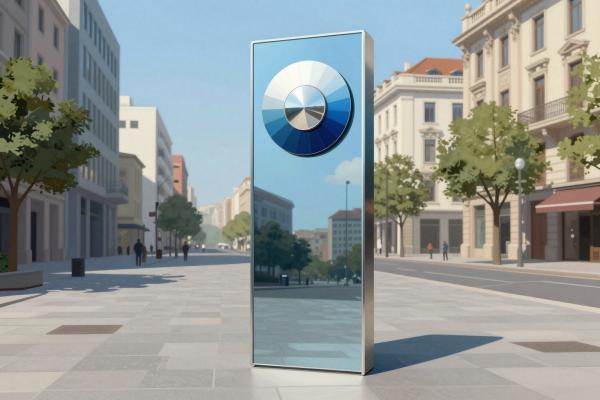
Sky-matching color-changing monolithic sculpture
- Where
- Ljubljana, Ljubljana & Central Slovenia
- Directions
- Directions
Martin Bricelj Baraga is a Slovenian media artist and curator, born in Ljubljana, whose work crosses art, technology and nature. He is known for projects that use sensors, light, sound and software to connect people with natural processes such as weather, plants and the sky, and for exhibiting and curating in Slovenia and abroad. A monolithic sculpture attributed to him is described as a piece that measures the blueness of the sky and changes its own colour to match. Detailed information about the work and its exact setting is limited, so visitors should check locally for where it can be seen and in what condition.
The idea behind such a piece has a long history. In the late eighteenth century the Swiss naturalist Horace-Bénédict de Saussure invented the cyanometer, a circular chart of blue shades from pale to deep, with which he compared the colour of the sky at different altitudes and places, and so tried to measure the clarity of the air. The cyanometer was a scientific instrument, but it also showed the pleasure of looking carefully at the sky. A sculpture that senses the sky's blue and changes its colour in response belongs to the same line of curiosity, translated into modern technology: a sensor reads the colour of the light and a display or coloured surface follows. The result is an object that seems to blend into the sky when the conditions match, and that stands out when they do not.
A monolith, a single upright block, has its own associations, from ancient standing stones to the monoliths of modern fiction, and a monolith that mirrors the sky plays on the idea of the permanent and the changing at once. The stone-like form suggests stability, while the colour shifts with clouds, haze, the time of day and the seasons. Looking at the piece on different days would give different results, and the work invites repeated visits and slow observation rather than a quick glance. As with most works of media art, it relies on electronics, so its behaviour may vary with weather and maintenance.
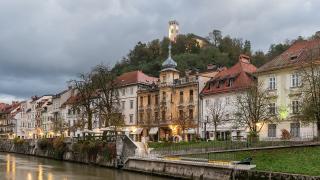
Ljubljana offers many opportunities to combine such a visit with other art and design. The city has a lively contemporary scene, with galleries such as Cukrarna, festivals of electronic and media art, and a long tradition of public sculpture along the river and in the squares.
The work suits people interested in contemporary art, technology and the environment. Go on a clear day, look up and compare the sculpture with the sky, and ask the tourist office for the current location.
Categories
More photos coming soon
Nearby Attractions
Other places to visit in Ljubljana
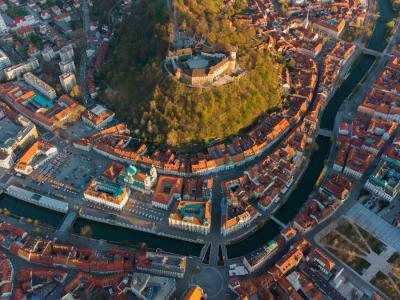
Ljubljana Castle
900-year-old castle with panoramic city views
Castles · Fortresses
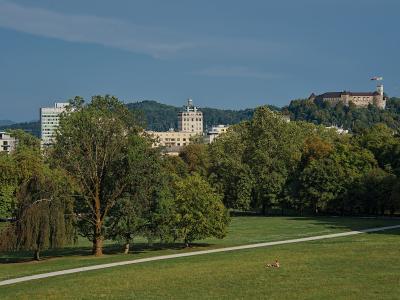
Tivoli Park
Largest green oasis in Ljubljana city center
Activities & Adventure · Natural Wonders
Špica
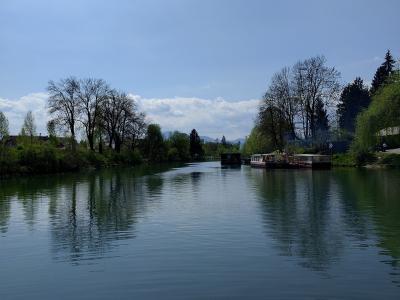
Riverside park with Hladnik's Footbridge
Gardens · Lakes & Rivers
Free Walking Tour
Guided tour of Ljubljana’s historic landmarks
City Centers · Guided Tours
Questions people ask
Quick Facts
Best Time to Visit
April to May and September to October offer mild, comfortable weather and fewer crowds; summer is lively and warm, winter is festive and cozy.
Book your stay