- Where
- Ljubljana, Ljubljana & Central Slovenia
- Directions
- Directions
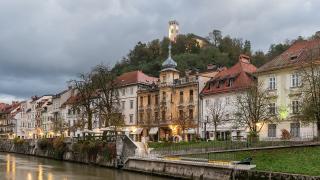
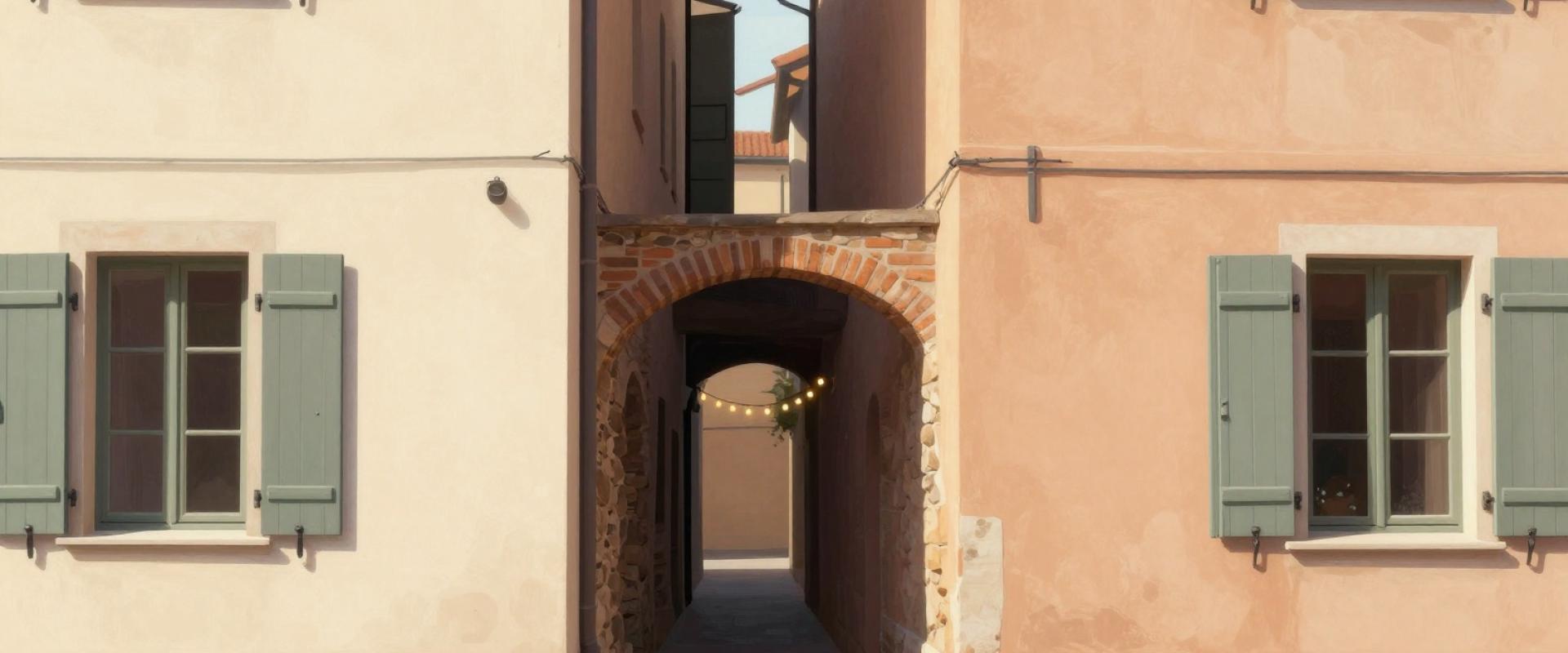
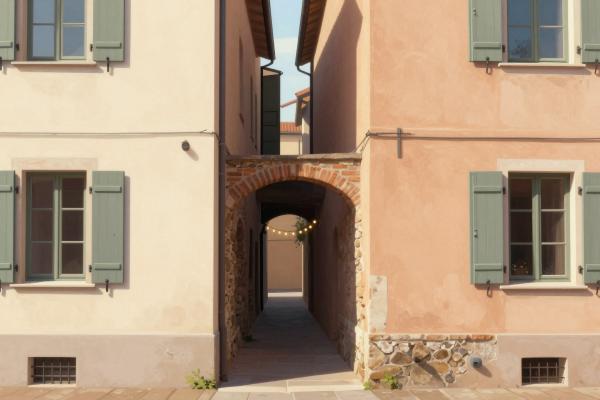
Ljubljana grew from a small medieval settlement beneath its castle hill into the capital of Carniola, and for several centuries it was a walled town. The walls and towers that once surrounded the old town on the right bank of the Ljubljanica were built mainly from the thirteenth to the fifteenth centuries, and as the city expanded and the threat of attack faded, large sections were demolished or incorporated into later buildings. A few fragments survive, among them stretches of wall near the castle hill and parts of the Roman wall of Emona, the ancient town on whose foundations the later city was built, which the architect Jože Plečnik restored in the twentieth century. This background helps in understanding what a visitor can expect from the so-called Medieval Tunnel to Nowhere. Reliable information about the passage itself is scarce, so it is wise to check local sources before planning a visit.
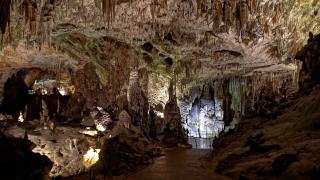
Fortified towns often contained tunnels, vaults and passages of various kinds. Some carried streams or drains beneath the walls, others linked cellars, gates or towers, and some were used by guards to move between points of the defences without being seen. Over time, many were blocked, forgotten or used for other purposes, and a passage that appears to lead nowhere may simply be the surviving part of a longer structure whose other end has been walled up or built over. In a city that has been rebuilt after wars, floods and the great earthquake of 1895, such fragments are common beneath the streets.
Ljubljana has a rich range of historic places for those who like to explore the past, and the city centre is compact enough to see many of them in a day. The castle, with its tower and chapel, stands above the old town, and the old lanes around the Town Hall and Mestni trg hold medieval and Baroque houses. The riverside embankments and market designed by Plečnik, the Triple Bridge and the Dragon Bridge show the later layers, while the City Museum of Ljubljana displays the Roman and medieval finds of the city, including the Roman street and the remains of buildings in its basement. A walk that combines these gives a good overview of the history that the tunnel is meant to illustrate.
Anyone planning a visit to the tunnel should ask at the tourist information centre about whether it can be entered, the opening hours and any entry arrangements, since access to historic underground spaces is often limited. Low ceilings and uneven steps are common in such places, so comfortable shoes are essential.
The subject suits history enthusiasts and curious walkers, and it makes a pleasant addition to a day in Ljubljana's old town.
Categories
More photos coming soon
Nearby Attractions
Other places to visit in Ljubljana
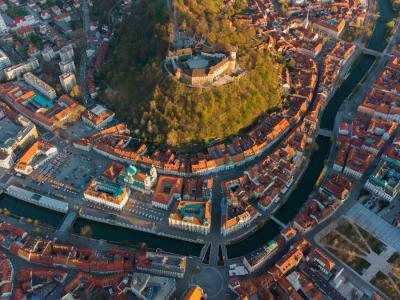
Ljubljana Castle
900-year-old castle with panoramic city views
Castles · Fortresses
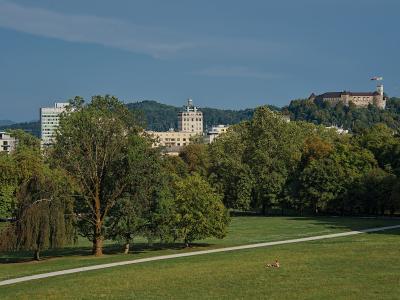
Tivoli Park
Largest green oasis in Ljubljana city center
Activities & Adventure · Natural Wonders
Špica
Riverside park with Hladnik's Footbridge
Gardens · Lakes & Rivers

Free Walking Tour
Guided tour of Ljubljana’s historic landmarks
City Centers · Guided Tours
Questions people ask
Quick Facts
Best Time to Visit
April to May and September to October offer mild, comfortable weather and fewer crowds; summer is lively and warm, winter is festive and cozy.
Book your stay