
- Where
- Rak Škocjan, Notranjska
- Directions
- Directions
Rakov Škocjan is a textbook of karst geology laid out in a single valley. Lying at the northern foot of the Javorniki hills in southern Slovenia, it is a small, steep-sided, wooded valley a few kilometres long, with a stream running down the middle. At first glance it looks like an ordinary green valley, but it is full of the features that give karst its name, the limestone landscape of the Dinaric region, where rock dissolves in rainwater and water disappears underground.
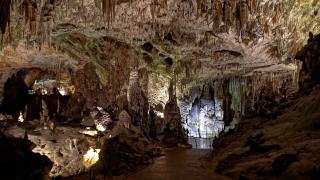
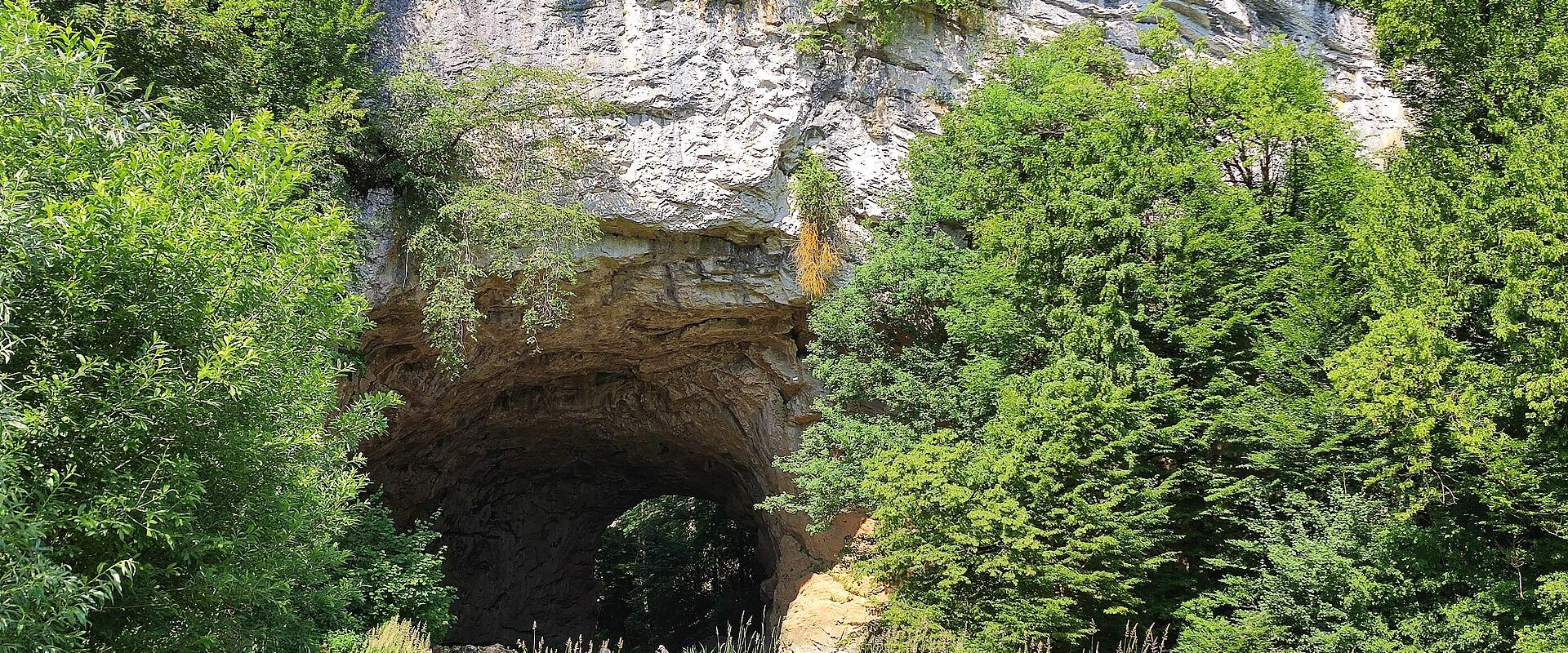
The key to understanding the valley is collapse. Long ago, a cave system ran beneath the area, with an underground river carving galleries through the limestone. Over time, parts of the cave roof gave way and fell in, opening the cave to the sky and leaving a valley with steep walls. Two fragments of the old roof survive as natural stone arches, the Veliki naravni most and the Mali naravni most, the Big and Little Natural Bridges. The larger spans the valley as a high rock arch, and the smaller one lies lower down. Standing beneath them gives a vivid sense of the scale of the vanished cave. Around them are sinkholes, collapsed dolines and small cave mouths, and the ground is full of cracks and hollows through which water finds its way.
The stream, the Rak, appears from underground at the upper end of the valley, flows between rocky banks and plunges into another opening further on, in the classic karst pattern of a river that appears and disappears. Springs along the valley floor supply additional water, and the clear, cold streams support a rich plant and animal life. The valley is protected as part of the Notranjska Regional Park, which safeguards both the geology and the habitats, and visitors are asked to stay on marked paths and leave the place as they find it.
Walking trails of different lengths connect the main features, with benches and viewpoints for resting and viewing the arches. The educational trail has boards that explain the processes in clear terms, which makes it a good place for children and curious adults to learn how caves, dolines and springs form. Caves and formations are present, but entry to deeper parts is restricted and should only be attempted with guides and equipment.
It suits hikers, families, photographers and students of geology, and there is no admission fee. Spring and autumn are the best seasons, when water is plentiful and the woods are colourful. A visit combines well with Lake Cerknica and Postojna Cave. Visitors who want the water story should read about the underground river passages, since the two sides of Slovenia’s karst belong together.
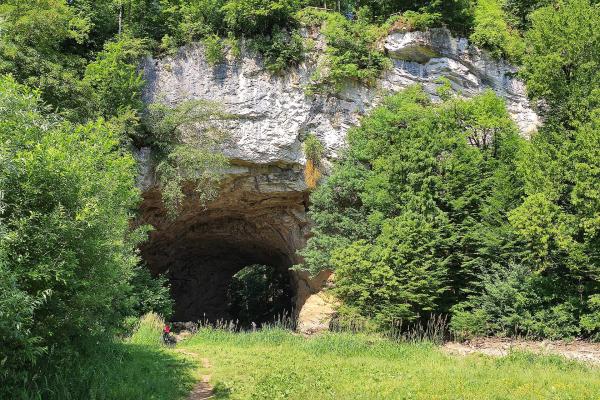
More photos coming soon
Nearby Attractions
Other places to visit in Rak Škocjan
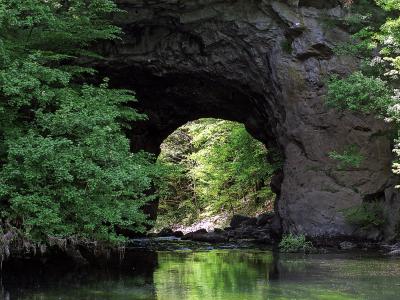
Rakov Škocjan
Karst valley with natural bridges and wetlands
Activities & Adventure · History & Heritage
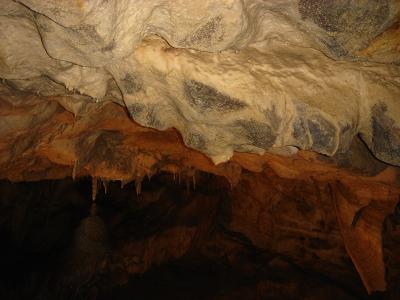
Cave halls (exceeding 50 meters in height)
Cave halls over 50m high in Rak Škocjan
Caves · Geological Sites
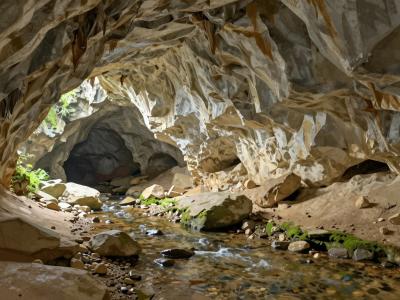
Zelške Caves
Karst caves where River Rak resurfaces
Caves · Geological Sites
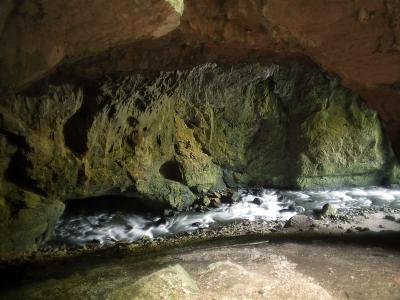
Underground river passages
Underground river passages shaping Rak Škocjan valley
Activities & Adventure · History & Heritage
Questions people ask
Quick Facts
Best Time to Visit
April to October offers mild weather, lush scenery, and ideal conditions for hiking, photography, and exploring Rak Škocjan’s karst features.
Book your stay