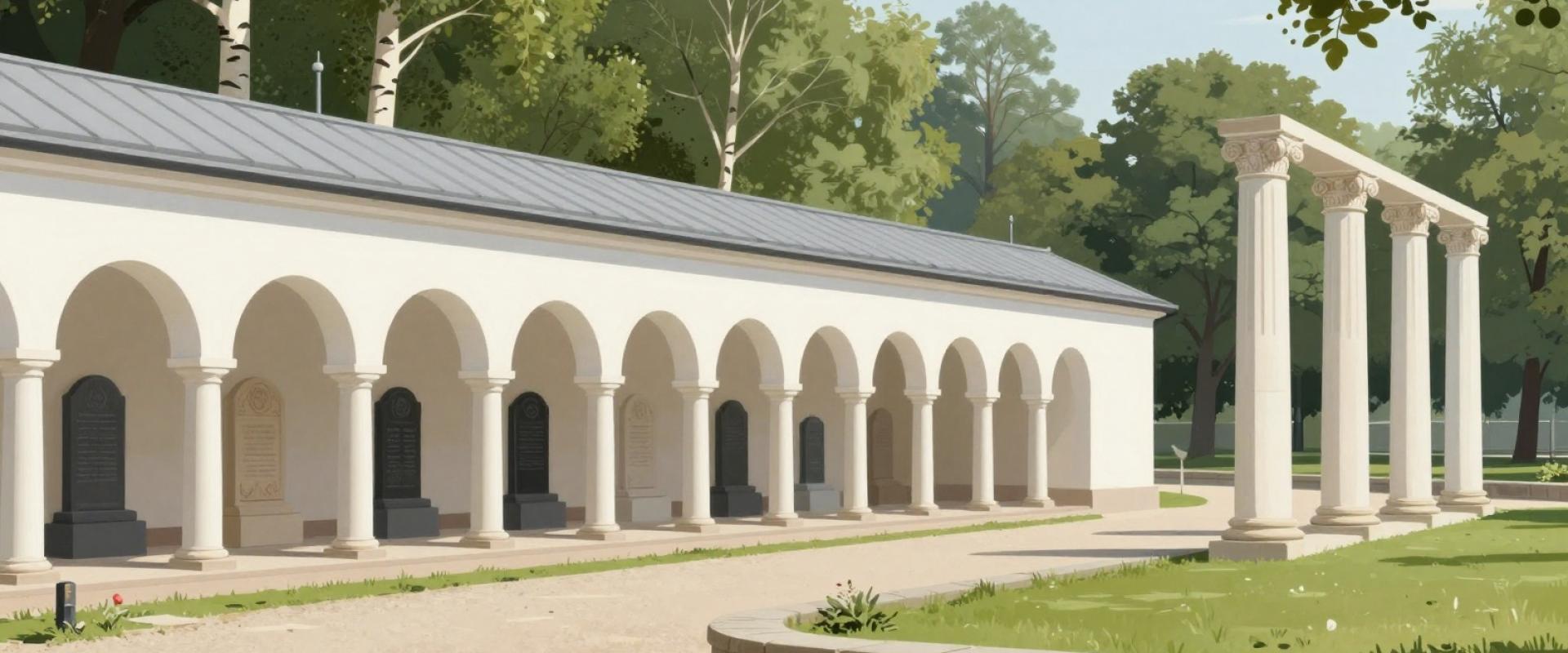
Cemetery For Slovenian Notables
Final resting place of Slovenian national heroes
- Admission
- €6
- Hours
- Tuesday to Sunday, 10am to 6pm
- Where
- Ljubljana, Ljubljana & Central Slovenia
- Directions
- Directions
Žale is the main cemetery of Ljubljana, a large burial ground on the northeastern edge of the city centre, and it is also one of the more interesting works of the architect Jože Plečnik. Plečnik, who shaped so much of the capital in the 1920s and 1930s, designed the cemetery's main buildings, the entrance and a series of chapels, in his own distinctive style, which combines classical forms with a delicate, almost playful sense of detail. The result is a funerary landscape unlike most cemeteries, with white colonnades and small chapels set among cypress trees and lawns, and it gives the visitor a sense of calm and dignity. For anyone interested in modern architecture, it is one of the places in Ljubljana that deserves a visit, though many tourists never come.
The cemetery is also the burial place of a large number of the most prominent figures in Slovenian life. Writers, poets, artists, scientists, politicians and other notable people lie here, and their graves record the cultural history of the country. Walking along the paths, a visitor can find memorials to figures from the national awakening of the nineteenth century, to artists and architects of the twentieth century, and to many ordinary families whose names are carved on modest stones. A section is devoted to the graves of national heroes who died in the Second World War, and a monument known as the Tomb of National Heroes honours the fighters of the resistance and those who died for their country in that period. The monuments of the postwar era, with their monumental forms and symbolism, are themselves part of the story of how Slovenia remembers its twentieth century.
It is worth saying that a cemetery is a place of remembrance, and visitors should behave accordingly. Walk quietly, keep to the paths, do not photograph mourners and avoid visiting during funerals. Sunday afternoons and the days around All Saints on 1 November, when Slovenes visit the graves of their families with flowers and candles, are particularly moving, and the cemetery is transformed by thousands of lights, but it is also very busy. Opening hours are generally long, but check for any temporary changes, and admission to the grounds is normally free. Some chapels and structures may be open only at certain times.
Žale is not close to the old town, so you need to allow time to reach it by bus or bicycle, and a visit works best as a dedicated outing of an hour or two. It is separate from the Museum of Recent History, which stands in a park elsewhere in the city. The other sights of the city centre, such as Ljubljana Castle, Ljubljana Cathedral, Ljubljana Central Market, Dragon Bridge, Butchers' Bridge, Congress Square, Križanke, Cukrarna, the City Museum of Ljubljana, the Franciscan Church of the Annunciation and the Free Walking Tour, are on the other side of town. The Abandoned Military Barracks (art Squat) shows another side of the city.
It suits architecture lovers and history lovers. The Cemetery for Slovenian Notables is the name by which many visitors know it, and Ljubljana’s Žale is Slovenia’s largest burial ground. Visitors should go with quiet respect. While it is far from the old town, it repays the trip.
Categories
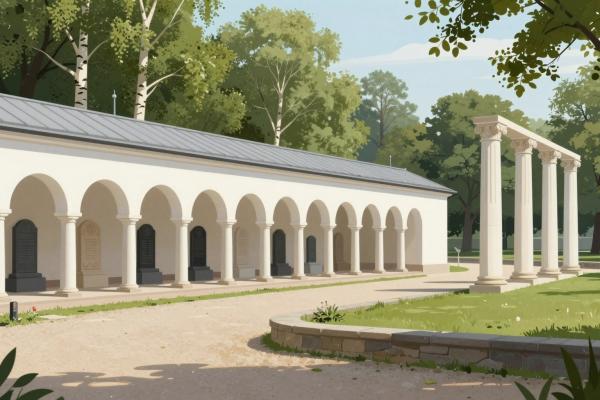
More photos coming soon
Hours & Fees
- Open
- Tuesday to Sunday, 10am to 6pm
- Admission
- €6
Hours and prices change, especially out of season. Check with the venue before you go.
Nearby Attractions
Other places to visit in Ljubljana
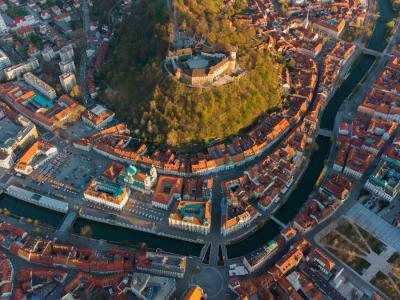
Ljubljana Castle
900-year-old castle with panoramic city views
Castles · Fortresses
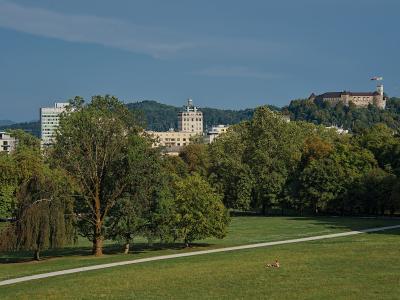
Tivoli Park
Largest green oasis in Ljubljana city center
Activities & Adventure · Natural Wonders
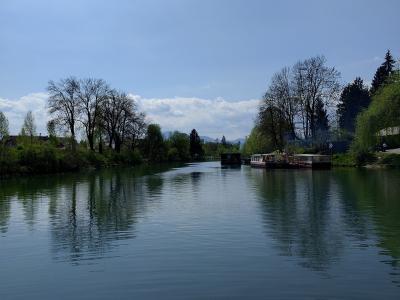
Špica
Riverside park with Hladnik's Footbridge
Gardens · Lakes & Rivers
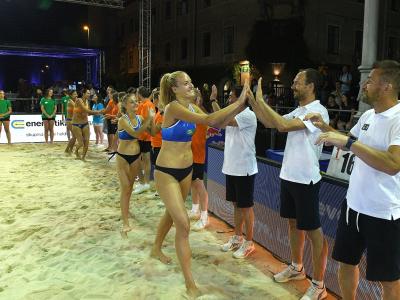
Free Walking Tour
Guided tour of Ljubljana’s historic landmarks
City Centers · Guided Tours
Questions people ask
Quick Facts
Best Time to Visit
April to May and September to October offer mild, comfortable weather and fewer crowds; summer is lively and warm, winter is festive and cozy.
Book your stay