1-day itinerary
Best of Cerknica
Cerknica with intermittent lake
- Length
- 1 day · 2 sights
- Pace
- Easy
- Estimated cost
- €77 per person
- Based in
- Cerknica
Day by day
-
Day 1: The Vanishing Lake & Karst Wonders
A comprehensive day exploring Europe's largest intermittent lake, visiting the visitor center to understand the hydrology, and enjoying the surrounding karst landscape.
-
09:00
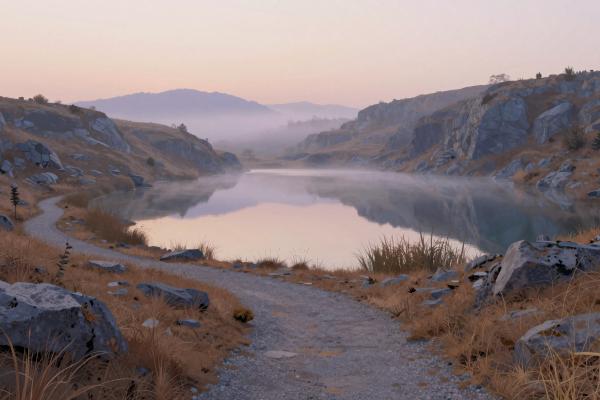
Start your day with a scenic walk along the shores of Lake Cerknica. Depending on the season, you will either see the vast expanse of water or the lush meadows where the lake disappears underground. The morning light is perfect for photography.
About 1.5 hours
-
10:30
Visitor Center Exploration
Visit the Visitor Center located by the lake. Learn about the unique hydrological cycle of the intermittent lake, the local flora and fauna, and the geological history of the karst region. Interactive exhibits provide great context for what you saw earlier.
About 60 min
-
11:45
Drive to Dolgi Polje
Drive a short distance to the Dolgi Polje field, the main area where the lake floods. This is the best vantage point to observe the scale of the lake or the meadow.
About 45 min
-
12:30
Picnic or Local Cafe Stop
Take a break at a local cafe in Cerknica town or enjoy a picnic with views of the lake. Try local Slovenian pastries or coffee.
About 60 min
-
14:00
Rent a bicycle or kayak to explore the perimeter of the lake or the nearby channels. Cycling is particularly popular around the lake rim, offering panoramic views of the surrounding hills and the Ponikva plateau.
About 2 hours
-
16:30
Sunset View and Souvenir Shopping
Return to the Visitor Center area or a nearby viewpoint for sunset views. The changing light over the intermittent lake is spectacular. Browse local crafts if available.
About 60 min
- Meals:
- Lunch at Cerknica Town Center; Dinner at Traditional Slovenian Restaurant in Cerknica
- Where to stay:
- Stay in Cerknica town for easy access to the lake and amenities. Options include guesthouses (gostišče) or small hotels near the lake shore.
- Getting around:
- A car is highly recommended for flexibility to reach different viewpoints around the lake. Public buses are available but less frequent. Walking and cycling are feasible for short distances.
-
09:00
Practical information
Questions people ask
Book your stay