- Where
- Logarska Dolina, Gorenjska
- Directions
- Directions
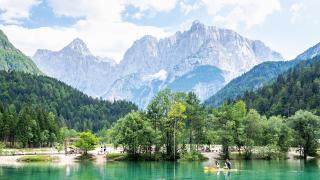
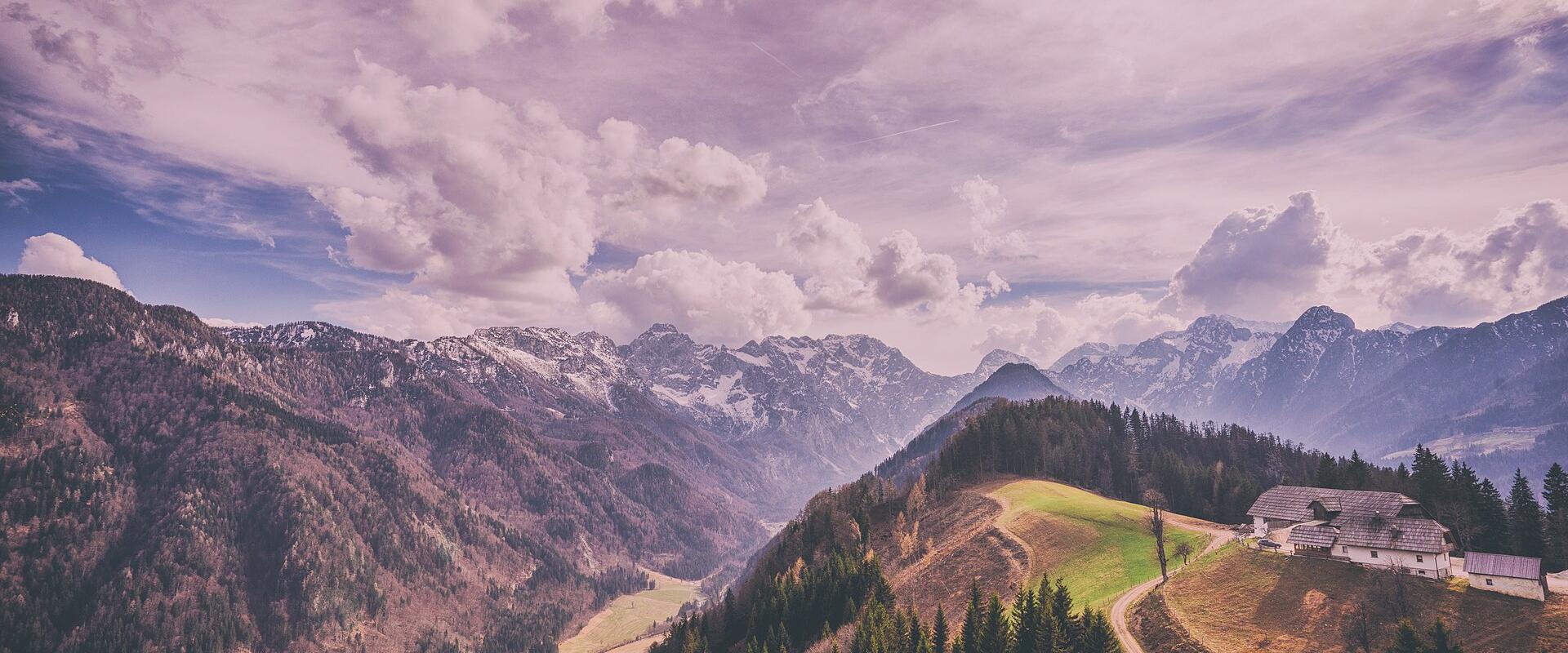
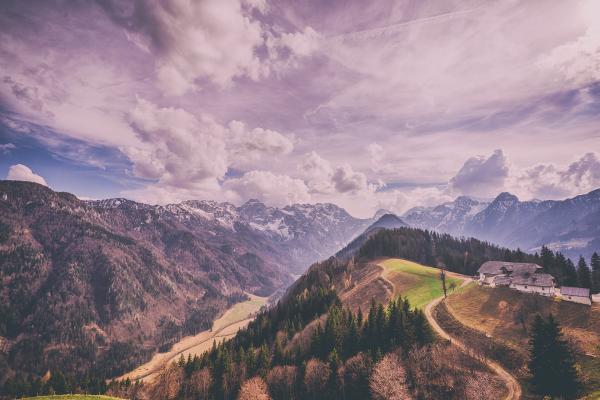
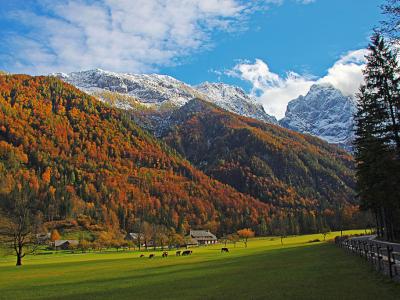
The Kamnik-Savinja Alps are the range that rises in the north of Slovenia, between the Julian Alps to the west and the Pohorje and Karavanke to the east and north, and they hold some of the most beautiful and least crowded mountain scenery in the country. The range runs along the Austrian border, where it meets the Karawanks, and its highest peak, Grintovec, reaches about 2,558 metres. Its character is distinct from the Julian Alps. The peaks are pale limestone, sharp and serrated, but the valleys below are broad and green, with scattered farms, pastures and forests, and the whole region has a quieter, more pastoral feel than the busier massifs in the west. Logarska Dolina, the Logar Valley, is the best known of its valleys, and it is the natural base for exploring the range on its northern side.
The mountains were shaped by the same forces as the rest of the Alps. Limestone laid down in an ancient sea was lifted and folded, and in the ice ages glaciers carved deep troughs, cirques and steep walls into it. The Logar Valley is a classic example, a flat-floored U-shaped valley closed at its upper end by a ring of rock walls, from which the Rinka waterfall drops. Neighbouring valleys such as Robanov Kot and Matkov Kot have the same form on a smaller scale, and farther south the Kamniška Bistrica valley leads to the high peaks above Kamnik. Karst processes are also at work, with caves, sinkholes and springs, and the limestone gives the mountains their pale colour and their characteristic cliffs.
Life in the range has long been tied to its pastures. Farmers keep cattle and sheep on high alpine meadows in summer, and the traditional pastoral landscape around the village of Solčava, with its isolated farms on steep slopes, is protected as a cultural heritage. The farmhouses, with their stone ground floors, timber upper storeys and steep roofs, and the hay racks and barns around them, show how people adapted to a harsh climate. The range is also rich in wildlife, with chamois, ibex, marmots, golden eagles and many alpine flowers, and much of it falls within the Natura 2000 network, which protects its habitats.
For visitors, the mountains offer walking, climbing, cycling and skiing. Trails lead from the valleys to huts and summits, from gentle forest paths to demanding high-mountain routes that need experience, equipment and a careful check of the weather. In winter, cross-country skiing and snowshoeing are popular in the valleys, and ski touring is a draw for experts. The town of Kamnik, at the southern edge of the range near the Ljubljana basin, is the main gateway, with a well-preserved old centre that is a protected cultural monument and a good place to stay before heading into the hills. Access to the mountains is generally free, though some valleys charge for vehicles or parking.
The Kamnik-Savinja Alps suit walkers, climbers and anyone who likes quiet high country. Summer and early autumn are the best seasons. Culturally the range is as rich as it is scenic, and the Ljubljana Basin lies a short drive to the south.
More photos coming soon
Nearby Attractions
Other places to visit in Logarska Dolina
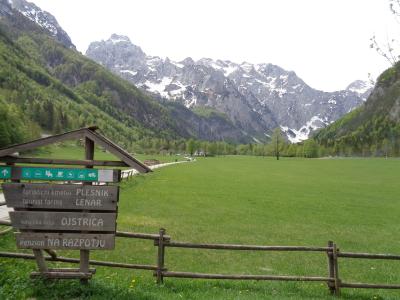
Logarska Dolina Alpine Meadow
Glacial valley with alpine meadows in Slovenia
Hiking Trails · Hills & Valleys
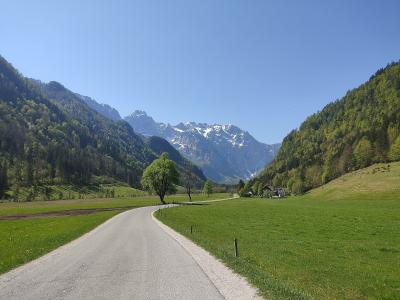
Logarska Dolina Nature Park
Natura 2000 valley with waterfalls and historic farmsteads
Hiking Trails · Hills & Valleys
Logarska Dolina Visitor Center
Visitor center for Slovenia Green Park
Cycling Routes · Hiking Trails
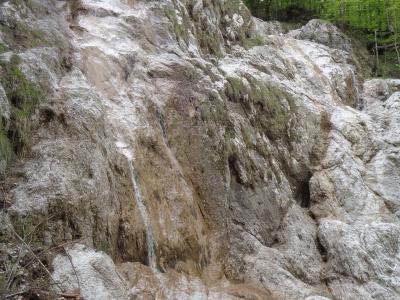
Logarska Dolina Waterfalls
Glacial valley with cascading waterfalls in Slovenia
Natural Wonders · Hiking Trails
Questions people ask
Quick Facts
Best Time to Visit
June to September offers warm weather ideal for hiking, while winter brings snow for skiing.
Book your stay